Moscow's Timeless Echoes: A Journey Through History's Grandest Stages
Ever wondered what it feels like to walk through centuries of history? Join me as we explore Moscow's most iconic historical sites, where every cobblestone tells a story.
There’s something truly magical about a city that has witnessed so much, isn't there? Moscow, for me, isn't just a destination; it's a living, breathing history book, each page turned revealing layers of grandeur, resilience, and sheer human spirit. I used to think historical sites were just about old buildings, but Moscow taught me they're about the echoes of countless lives, decisions, and dreams that shaped a nation. If you're anything like me, someone who craves a deeper connection with the places you visit, then pack your bags (and maybe an extra memory card for your camera!), because we're about to dive into some of Moscow's most unforgettable historical treasures.
Red Square: The Heartbeat of a Nation
Stepping onto Red Square for the first time, I honestly felt a shiver down my spine. It’s not just a square; it’s the square, the very heart of Moscow and, in many ways, Russia itself. You might think its name comes from the striking red bricks of the Kremlin walls or perhaps its Soviet past, but I learned that "Red Square" actually comes from the old Russian word "krasnaya," which meant both "red" and "beautiful." So, in essence, we're standing in "Beautiful Square." How poetic is that?
This vast, cobblestoned expanse has seen it all. From bustling medieval marketplaces where merchants traded goods from across continents to the solemn processions of tsars and even the dramatic military parades of the Soviet era, including those during World War II when troops marched directly from here to the front lines. Imagine the weight of those moments, the hopes and fears carried on those very stones.
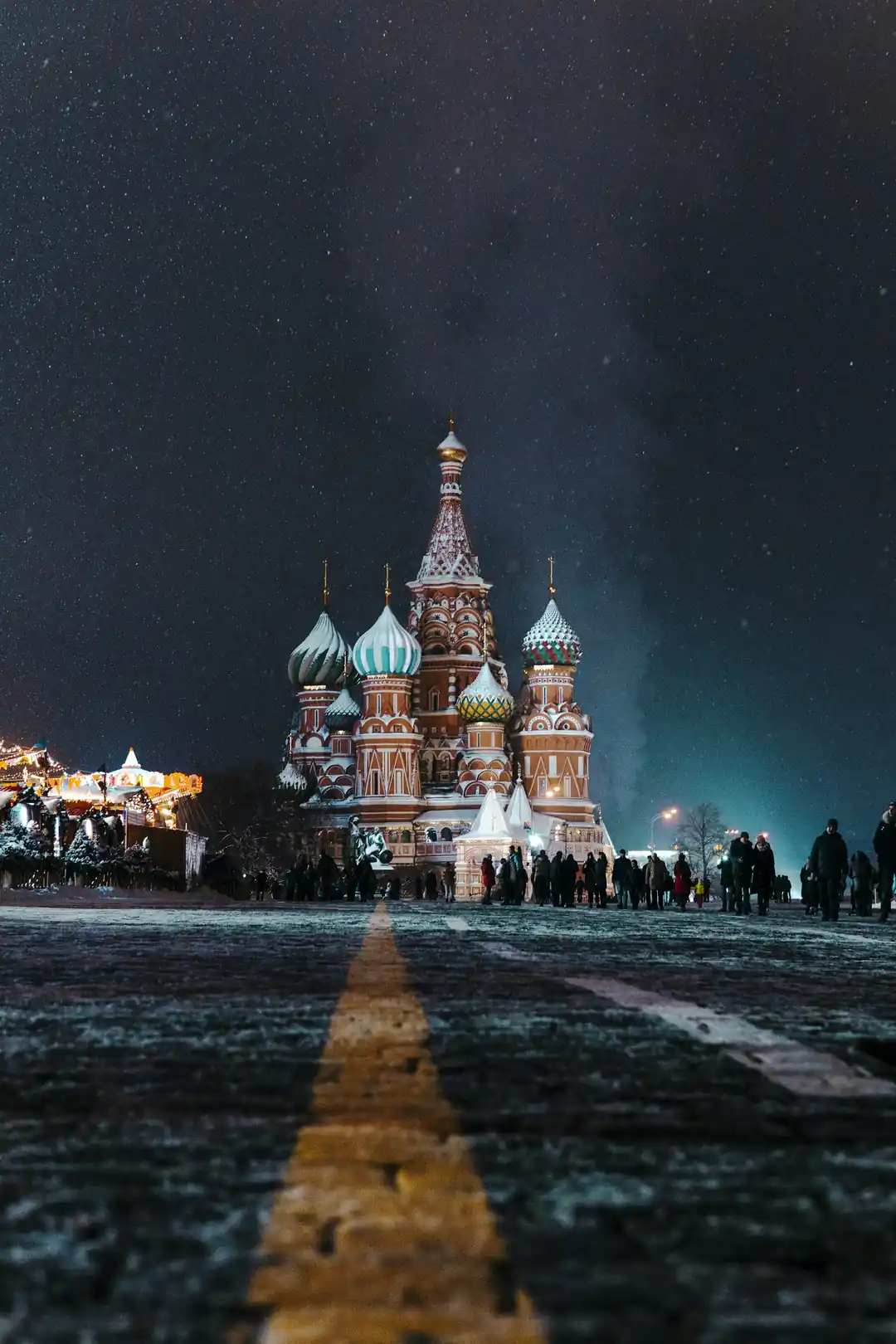
Today, it’s a UNESCO World Heritage site, a vibrant hub where tourists and locals mingle, surrounded by some of the city's most iconic landmarks. And trust me, if you get a chance, see it at night. When the lights come on, it transforms into something truly ethereal, a glittering stage under the Moscow sky. It’s a place that feels both immense and intimate all at once, and you can’t help but feel humbled by its scale and history.
The Kremlin: A Fortress of Power and Piety
Just adjacent to Red Square, the Moscow Kremlin stands as an imposing, almost mythical fortress. It’s not just a single building, but an entire fortified complex that has been the seat of Russian power since the 12th century. Walking through its ancient gates, you can almost feel the centuries of history emanating from every stone. The first wooden fortress here dates back to 1156, but what we see today, with its monumental red brick walls and 20 towers, was largely rebuilt by Italian architects in the late 15th century. It’s incredible to think about the vision required to create such a place.
Inside, it’s a world unto itself. Beyond being the official residence of the Russian President, the Kremlin houses a stunning collection of golden-domed cathedrals, like the Assumption, Annunciation, and Archangel Michael Cathedrals, which were once the sites of coronations and burials of tsars. Then there’s the Armoury Chamber, a museum that’s a veritable treasure trove of imperial artifacts, including dazzling Fabergé eggs and royal carriages.
What really struck me was the sheer density of history here. You're walking through the same courtyards where Ivan the Terrible ruled and where Napoleon watched Moscow burn. During World War II, they even disguised the Kremlin to protect it from German bombing, which just goes to show how deeply ingrained its symbolism is in the national psyche. It’s a place where power, art, and faith have intertwined for centuries, leaving an indelible mark on the landscape and the soul of Russia.
St. Basil's Cathedral: A Fairytale in Stone
Oh, St. Basil's Cathedral! If there's one image that instantly conjures Moscow, it's those vibrant, swirling, onion-shaped domes. Standing proudly at one end of Red Square, it looks like something plucked straight from a fairytale. Built between 1555 and 1561 by Ivan the Terrible to celebrate his victory over Kazan, its official name is actually the Cathedral of the Intercession. But honestly, St. Basil's just rolls off the tongue better, doesn't it?
There's a rather gruesome legend that Ivan the Terrible was so impressed by its beauty that he had the architect blinded so he could never create anything as magnificent again. While historians generally agree this is likely untrue (thank goodness!), it speaks volumes about the cathedral's awe-inspiring design. What many don't realize is that its famous riot of colors wasn't original; it was initially red and white, with the vibrant hues added in the 17th and 18th centuries.
The interior, with its narrow corridors and modest decorations, is a stark contrast to the flamboyant exterior, offering a more intimate glimpse into its nine chapels, each with its own story. It even famously survived Napoleon's attempts to destroy it, with a legend claiming a mysterious rain shower prevented the gunpowder from igniting. It’s a testament to enduring beauty and a symbol of Russian resilience that continues to capture the imagination of everyone who sees it.
Novodevichy Convent & Cemetery: A Serene Final Resting Place
For a different, more contemplative historical experience, I can’t recommend the Novodevichy Convent and Cemetery enough. It’s a bit of a peaceful escape from the city's hustle and bustle. Founded in 1524, this stunning convent, with its fortress-like walls and the gleaming dome of the Smolensk Cathedral, is a UNESCO World Heritage site and a masterpiece of Moscow Baroque architecture. It has served as a cloister for many women from the royal family, adding a layer of imperial intrigue to its serene atmosphere.
Adjacent to the convent is the Novodevichy Cemetery, which is often called the most famous cemetery in Russia. It’s the final resting place for some of the country's most prominent figures in arts, science, and politics. Walking through its quiet pathways is like taking a tour through Russian history itself. You'll find the graves of authors like Anton Chekhov and Nikolai Gogol, composers like Dmitri Shostakovich and Sergei Prokofiev, and political leaders like Nikita Khrushchev.
Each headstone is a work of art, a unique reflection of the person it commemorates. It’s a profoundly moving experience to stand before the final resting places of people whose work has shaped the world. It’s a quiet, beautiful, and deeply historical place that offers a unique perspective on the soul of Russia.
Moscow is a city that demands to be experienced, not just seen. Each historical site isn't merely a relic of the past; it's a vibrant thread in the rich tapestry of Russian identity. As you wander through these magnificent places, take a moment to close your eyes, breathe in the air, and listen. You might just hear the whispers of history, inviting you to become a part of its ongoing story.
Related Posts
 TRANSPORT
Beyond the Highway: Finding Canada's Soul on a Western Rail Adventure
Forget road trips. I'm talking about rediscovering the romance of travel on Via Rail's most scenic routes through the heart of the Canadian West. It’s an experience that changes you.
 TRAVEL TIPS
The Unwritten Rules of the North: What to Know Before Camping in Canada
Heading to the Great White North for a camping trip? It's an amazing idea. But from campfire etiquette to wildlife wisdom, here’s what you need to know before you go.
Popular Posts

Rethinking Non-Profit Promotion: Creative Strategies That Actually Drive Event Impact

Beyond Stark White: The Best Interior Paint Colors to Light Up Your New Space

How to Actually Master a New Language on Your Own (No Magic Gene Required)
