Thinking of visiting Arizona's two largest cities? We dive into whether you can realistically skip the rental car and navigate Phoenix and Tucson using only public transportation.
When you picture a trip to Arizona, your mind probably conjures images of wide-open roads, dramatic desert landscapes, and the necessity of a good, air-conditioned car. For decades, the sprawling nature of its major cities, Phoenix and Tucson, has made rental cars seem less like a convenience and more like a mandatory part of the travel package. But what if I told you that narrative is starting to change?
Honestly, I was skeptical too. The idea of navigating these sun-drenched cities without my own set of wheels felt like a recipe for frustration. But I’ve recently been digging into the local transit systems, and what I found was genuinely surprising. Both Phoenix and Tucson have been quietly upgrading their public transportation networks, making them more accessible and tourist-friendly than ever before. The question is no longer if you can do it, but how you can do it, and whether it’s the right choice for your travel style.
So, let's break it down. Is relying on public transportation in Phoenix and Tucson a practical dream or a logistical nightmare?
Phoenix: Riding the Valley Metro Rail
Phoenix is a massive, sprawling metropolis, and for a long time, its public transit felt more like a commuter service than a tourist-friendly option. However, the Valley Metro Rail has become a serious game-changer. This light rail system is the backbone of transit in the Valley of the Sun, stretching nearly 30 miles and connecting key urban centers including Phoenix, Tempe, and Mesa. For a tourist, this is your golden ticket to many of the city's top attractions.
The light rail provides direct or near-direct access to a surprising number of hotspots. You can easily get to the Phoenix Art Museum, the Heard Museum, and the sports arenas downtown where the Diamondbacks and Suns play. It also connects to the PHX Sky Train at the 44th St/Washington station, creating a seamless link to Phoenix Sky Harbor International Airport. This means you can literally step off your flight, hop on a train, and be whisked away to your downtown or Tempe hotel without ever touching a car.
Of course, it’s not a perfect system for seeing everything. The light rail follows a specific corridor, and if you want to explore attractions further afield, like hiking Camelback Mountain or visiting Scottsdale's Old Town, you'll need to supplement your journey. This is where the Valley Metro bus system comes in. It’s extensive, but requires a bit more planning and patience. A 1-Day pass is incredibly affordable at just $4, offering unlimited rides on both the light rail and buses. For a tourist sticking to the main urban core, the light rail is not just viable; it’s efficient, clean, and a fantastic way to see the city's core.
Tucson: The Sun Link Streetcar Advantage
Tucson, while smaller than Phoenix, has a secret weapon that makes it wonderfully accessible for tourists: the Sun Link Streetcar. This modern streetcar system runs on a 3.9-mile loop that connects the city’s most vibrant and historic neighborhoods. It’s almost as if it were designed specifically for visitors, linking the University of Arizona, the trendy Main Gate Square, the funky and eclectic Historic Fourth Avenue shopping district, the heart of Downtown Tucson, and the beautiful Mercado San Agustín.
I can't overstate how brilliant this is for a car-free vacation. You can spend your day hopping on and off the streetcar, exploring each district at your leisure. Have breakfast near the university, shop for unique souvenirs on Fourth Avenue, visit a museum downtown, and then enjoy a fantastic dinner at the Mercado, all connected by one easy ride. The streetcar runs frequently, is air-conditioned (a non-negotiable in the desert heat), and offers a smooth, scenic ride through the city's most character-filled areas.
Even better? As of late 2025, the Sun Link Streetcar and the broader Sun Tran bus system are completely fare-free. This incredible initiative makes exploring the city not only easy but also unbelievably budget-friendly. While the streetcar covers the core, the Sun Tran bus system can get you to destinations further out, like the Tucson Botanical Gardens. For attractions on the far outskirts, like the Arizona-Sonora Desert Museum or Saguaro National Park, you’ll likely still need a rideshare or a tour, but for the heart of Tucson, the Sun Link Streetcar makes going car-free an absolute joy.

The Verdict and a Few Pro-Tips
So, can you do it? Absolutely. With a few caveats. In both cities, relying on public transit works best if you’re staying in a central location and focusing your itinerary on the urban core. For outlying natural attractions, you will need to budget for a rideshare or a day-tour.
Here are a few tips to make it work:
- Use Transit Apps: Google Maps, the Valley Metro app in Phoenix, and the Sun Tran app in Tucson are your best friends. They provide real-time tracking and trip planning that take the stress out of navigating.
- Stay Hydrated: This is Arizona. You’ll be doing more walking and waiting at stops than you would with a car. Always, always carry water.
- Embrace the Hybrid Approach: Don’t be a purist. Use public transit for the bulk of your travel and supplement with an Uber, Lyft, or even a Waymo autonomous vehicle (in Phoenix!) for those hard-to-reach spots.
- Enjoy the Slower Pace: The biggest benefit of forgoing a car is the change in perspective. You see more, you experience the local rhythm, and you connect with the city in a more intimate way.
Ultimately, traveling in Phoenix and Tucson without a car is no longer the impossible feat it once was. It’s a conscious choice to trade a little convenience for a more grounded, affordable, and often more memorable experience. It requires a bit more planning, but the reward is a deeper appreciation for these two incredible desert cities.

Finding Your Perfect Season: When Is the Best Time to Visit Northern India?
Don't Just Wing It: Your Ultimate Guide to Renting a Car in Arizona

Related Posts
 TRANSPORT
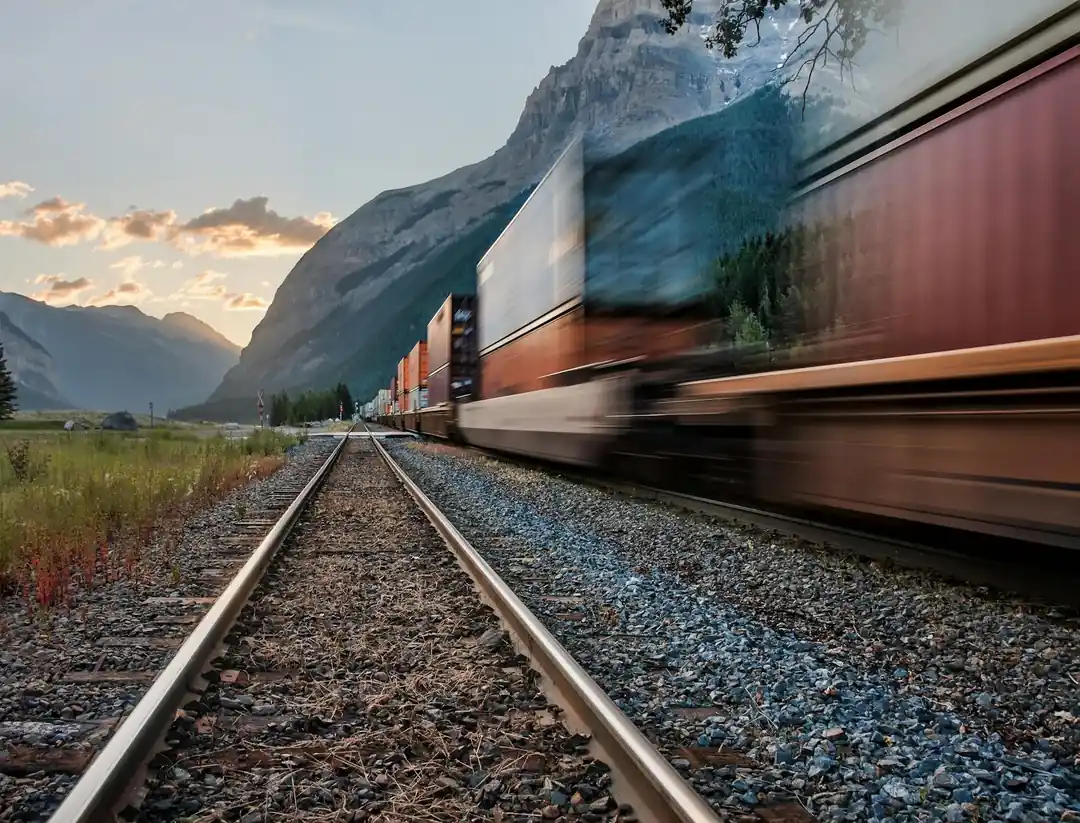
Beyond the Highway: Finding Canada's Soul on a Western Rail Adventure
Forget road trips. I'm talking about rediscovering the romance of travel on Via Rail's most scenic routes through the heart of the Canadian West. It’s an experience that changes you.
 TRAVEL TIPS
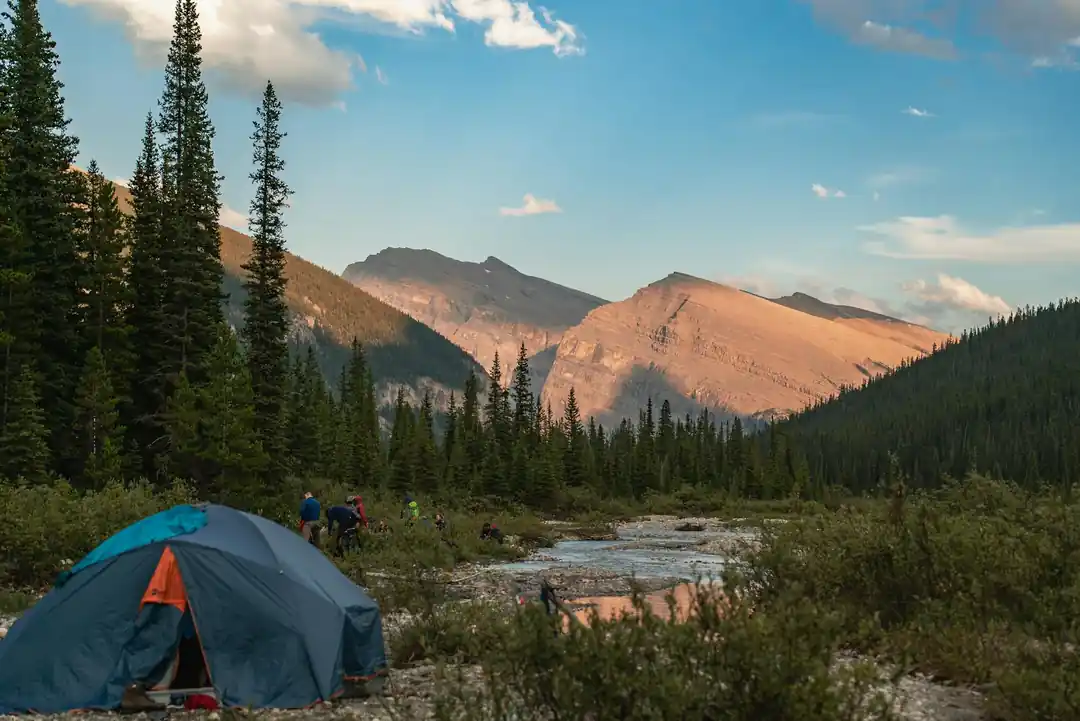
The Unwritten Rules of the North: What to Know Before Camping in Canada
Heading to the Great White North for a camping trip? It's an amazing idea. But from campfire etiquette to wildlife wisdom, here’s what you need to know before you go.

Popular Posts

Rethinking Non-Profit Promotion: Creative Strategies That Actually Drive Event Impact

Beyond Stark White: The Best Interior Paint Colors to Light Up Your New Space

How to Actually Master a New Language on Your Own (No Magic Gene Required)
