The 1970s Tech That's Still Phoning Home From Interstellar Space
It has less computing power than your car's key fob, yet it's humanity's farthest messenger. Let's dive into the surprisingly 'simple' and robust technology that makes the Voyager 1 probe an enduring marvel of engineering.
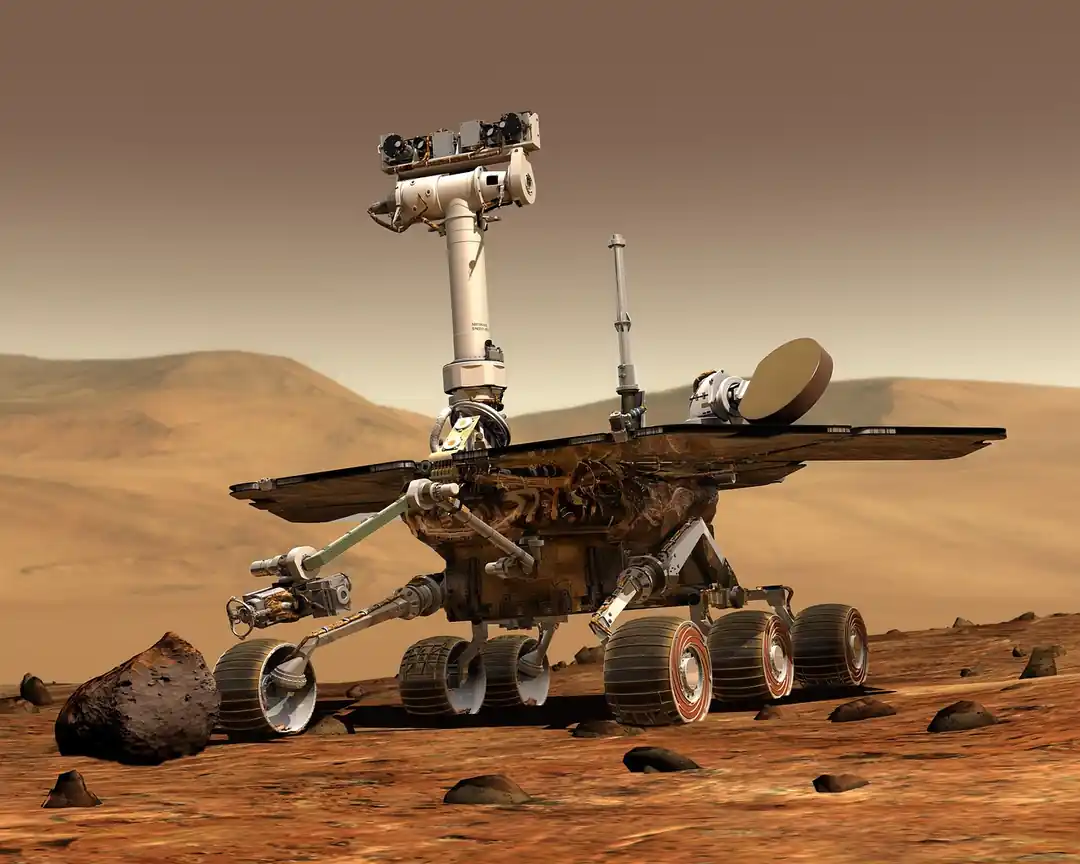
Every so often, I find my mind drifting to Voyager 1. It’s a strange thing to think about, I know. It’s not a person, or a place, but a machine, currently over 15 billion miles away, hurtling through the space between stars. Launched in 1977—a time of bell-bottoms, disco, and the Atari 2600—this probe is still, against all odds, communicating with us. It’s an almost romantic notion, isn't it? A lonely emissary from Earth, carrying a golden record of our sounds and sights, powered by technology that is now, by any measure, ancient.
Honestly, it’s the "ancient" part that gets me. We live in an era of disposable tech, where a two-year-old smartphone feels obsolete. Yet, a machine built with less computing power than the key fob for your car has survived the brutal radiation of Jupiter, the icy rings of Saturn, and has pushed through the bubble of our sun's influence into the vast, unknown territory of interstellar space. How is that even possible? It wasn't built with the latest and greatest; it was built with the most reliable. The engineers at NASA’s Jet Propulsion Laboratory (JPL) in the 70s weren't trying to be flashy. They were trying to build something that would last, and in doing so, they created a masterpiece of pragmatic, robust engineering.
The Brains of the Operation: A Computer From a Bygone Era
Let's start with the computers. Voyager 1 is equipped with a system called the Computer Command System (CCS). If you were to compare its memory to a modern device, it would be almost laughable. The CCS has about 69 kilobytes of memory. For context, a single, low-resolution photo on your phone today takes up several times that amount. This system is responsible for managing the probe's scientific instruments, decoding commands from Earth, and handling any errors or malfunctions.
But here’s the genius of it: simplicity and redundancy. The CCS isn't one single computer but a pair of them. If one fails, the other can take over. The programming is incredibly efficient, written in a custom assembly language that speaks directly to the hardware. There are no bloated operating systems or unnecessary background processes. Every single byte of memory has a purpose. This focus on streamlined, error-resistant code is a huge part of why Voyager has been so resilient. When a problem does arise, the engineers on Earth have to become digital archaeologists, poring over decades-old documentation to figure out how to send a command that this vintage system can understand. It’s a slow, painstaking process, but it works.
The Never-Ending Power Supply
One of the biggest challenges for any deep-space mission is power. Solar panels are great, but the farther you get from the sun, the weaker the sunlight becomes. By the time Voyager reached Jupiter, solar power would have been impractical, and at its current distance, it's completely useless. The solution was something straight out of science fiction: Radioisotope Thermoelectric Generators, or RTGs.
These aren't reactors in the traditional sense. Instead, they are essentially nuclear batteries. They contain pellets of plutonium-238, a radioactive material that naturally decays and releases a steady amount of heat. This heat is then converted directly into electricity by a device called a thermocouple. There are no moving parts to break down or wear out. It’s an incredibly reliable, long-lasting power source. At launch, Voyager’s three RTGs provided about 470 watts of power—enough to run a few light bulbs. Today, that output has decreased by about half, but it's still enough to keep the essential systems running. The mission's engineers have had to become masters of energy conservation, strategically shutting down instruments and heaters to eke out every last watt.
This steady, predictable power source is the single most important piece of technology that has allowed Voyager to continue its journey for so long. It's the heartbeat of the probe, a quiet, constant source of energy in the cold, dark void.
Phoning Home Across Billions of Miles
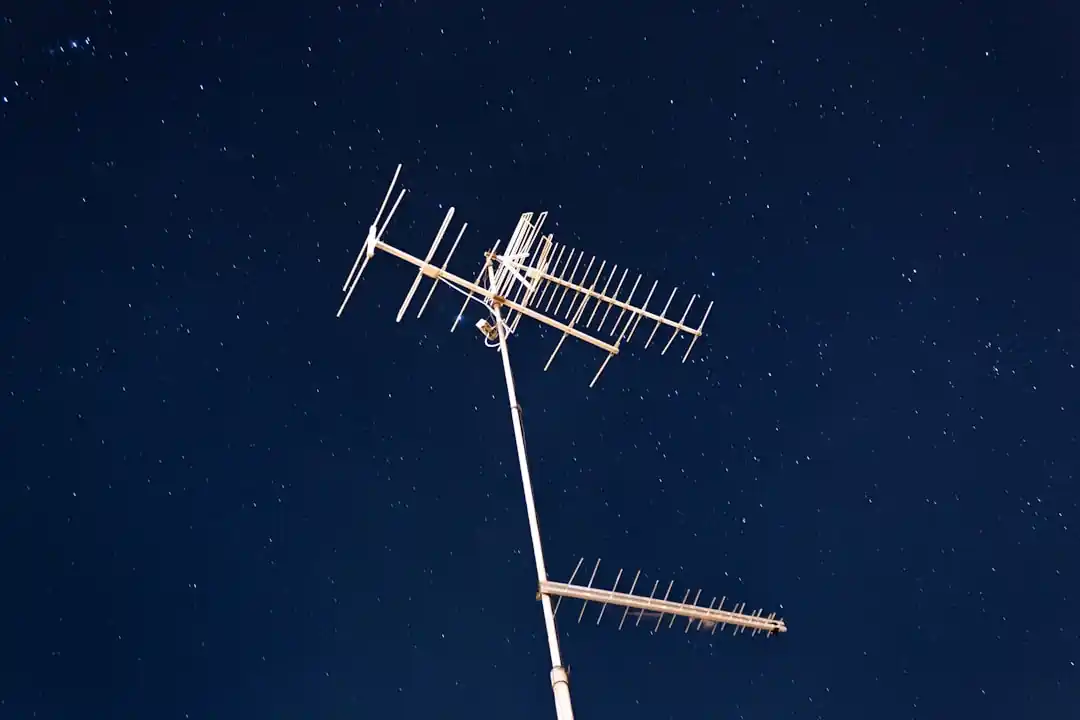
So, the probe has power and a functioning brain. But how does it talk to us? Communicating across billions of miles is a monumental challenge. The signal from Voyager 1, by the time it reaches Earth, is infinitesimally weak—billions of times weaker than the battery in a digital watch. To pick up this faint whisper, NASA uses the Deep Space Network (DSN), a series of massive radio antennas located in California, Spain, and Australia.
Voyager itself has a large, 12-foot-diameter high-gain antenna pointed towards Earth. It transmits data at a rate that is painfully slow by modern standards, but it's a steady stream of information. The round-trip communication time is now over 45 hours. Imagine sending a text message and having to wait two days for a reply. That’s the reality for the Voyager team.
The fact that this communication link still exists is a testament to the quality of the hardware and the ingenuity of the DSN engineers. They have had to develop incredibly sensitive receivers and sophisticated error-correction techniques to pull Voyager’s faint signal out of the cosmic background noise. It’s a delicate, interstellar conversation that has been going on for nearly half a century.
Voyager 1 is more than just a machine; it's a symbol of our curiosity and our desire to explore. It was built by a generation of engineers who, using the tools of their time, managed to create something that has outlasted all expectations. It’s a floating time capsule, a testament to the power of simple, robust design, and a reminder that sometimes, the most enduring technology isn't the most complex, but the most thoughtfully crafted. And as it continues its silent journey into the unknown, it carries with it a piece of all of us.
The Interstellar Internet: How NASA's DSN 'Talks' to Deep Space Probes
Apple CarPlay vs. Android Auto: The Ultimate Showdown for Your Dashboard
Related Posts
 MOBILE
The Great Console Debate: How to Choose the Right Gaming System for Your Family
Feeling stuck between a Switch, a PlayStation, and an Xbox? Let's break down which gaming console is the perfect fit for your family's game nights.
 MOBILE
From Fragile to Formidable: The Surprising Evolution of Foldable Phone Durability
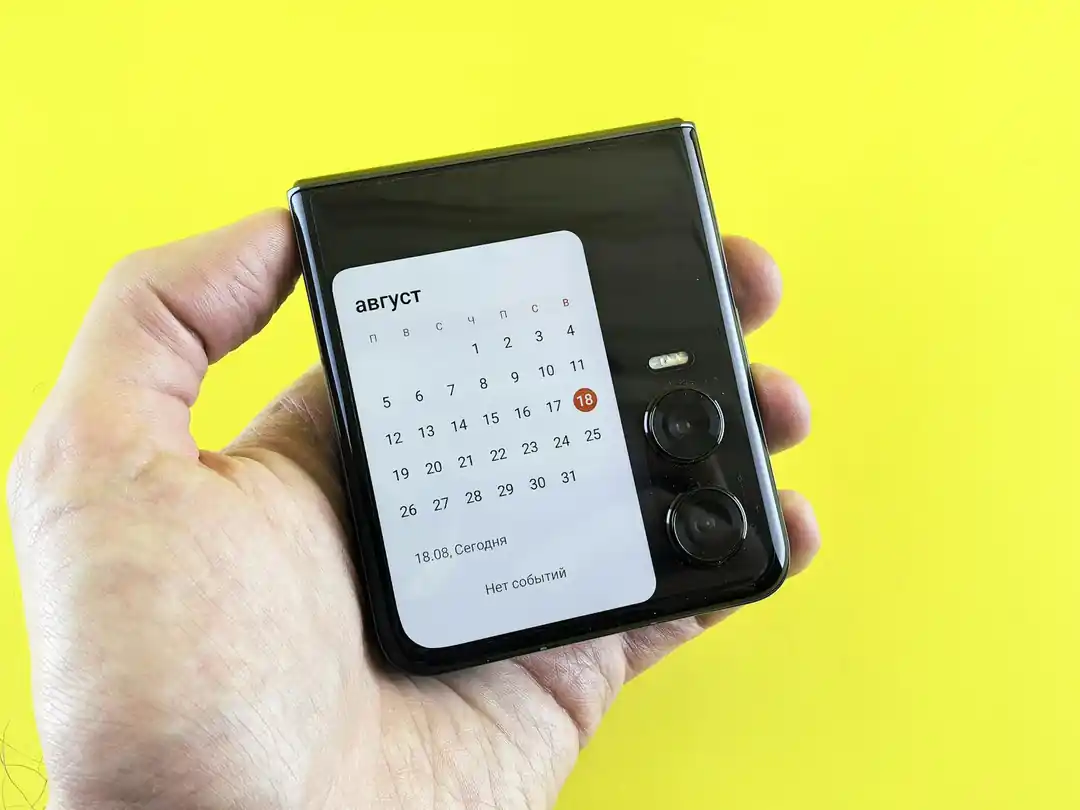
Remember when the idea of folding a smartphone screen in half felt like a disaster waiting to happen? Let's talk about how far they've come, because the story is pretty incredible.

Popular Posts

Rethinking Non-Profit Promotion: Creative Strategies That Actually Drive Event Impact

Beyond Stark White: The Best Interior Paint Colors to Light Up Your New Space

How to Actually Master a New Language on Your Own (No Magic Gene Required)