Navigating a pancreatic cancer diagnosis is tough. Figuring out what to eat can feel just as hard. Let's walk through some gentle, research-backed nutritional strategies that can help support your body and well-being.
When you or a loved one is facing a pancreatic cancer diagnosis, the world can suddenly feel like it’s spinning off its axis. There are appointments to manage, treatments to understand, and a whole dictionary of new medical terms to learn. Amidst this whirlwind, something as fundamental as eating can become a monumental challenge. I’ve spoken with people who’ve walked this path, and a common thread is the struggle with food—what to eat, how to keep it down, and how to stop the unintentional weight loss. It’s a deeply personal and often frustrating part of the journey.
But I want to offer a perspective of hope. Nutrition isn't just another chore on an already-full plate; it can be a powerful tool for empowerment. Making informed, gentle choices about what you eat can help manage symptoms, support your strength, and improve your overall quality of life during treatment. It’s about giving your body the best possible fuel to fight one of its toughest battles. This isn’t about a restrictive, joyless diet. It’s about finding a new way to nourish and flourish, even when it feels impossible.
Why Nutrition Is So Critical
The pancreas is a small organ, but it has a mighty job. It produces powerful enzymes that are essential for digesting food, particularly fats and proteins. It also produces insulin, the hormone that regulates your blood sugar. When cancer takes root in the pancreas, or when treatments like surgery or chemotherapy begin, this finely tuned system can be thrown into disarray. The result is often a condition called pancreatic exocrine insufficiency (PEI), where you can’t produce enough of those vital digestive enzymes.
What does this actually feel like? It can mean that even if you are eating, your body isn't absorbing the nutrients. This malabsorption can lead to persistent weight loss, diarrhea, bloating, and fatigue. It’s a vicious cycle, because the weaker you feel, the harder it is to tolerate treatments, and the more difficult it becomes to eat. That's why focusing on nutrition is not just a secondary concern—it's a foundational part of your care plan.
I recently read some guidance from the Pancreatic Cancer Action Network (PanCAN), and they emphasized that good nutrition helps patients maintain weight and strength, which can lead to better outcomes. It’s about working with your body, not against it. The goal is to make every single calorie count and to choose foods that are both nutrient-dense and easy for your system to handle.
The "Little and Often" Philosophy
If there's one golden rule to embrace, it's this: forget the three-large-meals-a-day structure. For someone with a compromised pancreas, trying to digest a big meal is like asking a sprained ankle to run a marathon. It’s too much, too soon. Instead, the most recommended approach is to eat five or six small, nutrient-packed meals throughout the day. Think of them as mini-meals or substantial snacks.
This approach does a few wonderful things. First, it puts less strain on your digestive system at any one time, which can significantly reduce discomfort, bloating, and nausea. Second, it provides your body with a steady stream of energy, helping to combat the profound fatigue that so often accompanies cancer and its treatment. It also gives you more opportunities to get in the calories and protein your body is desperately calling for.
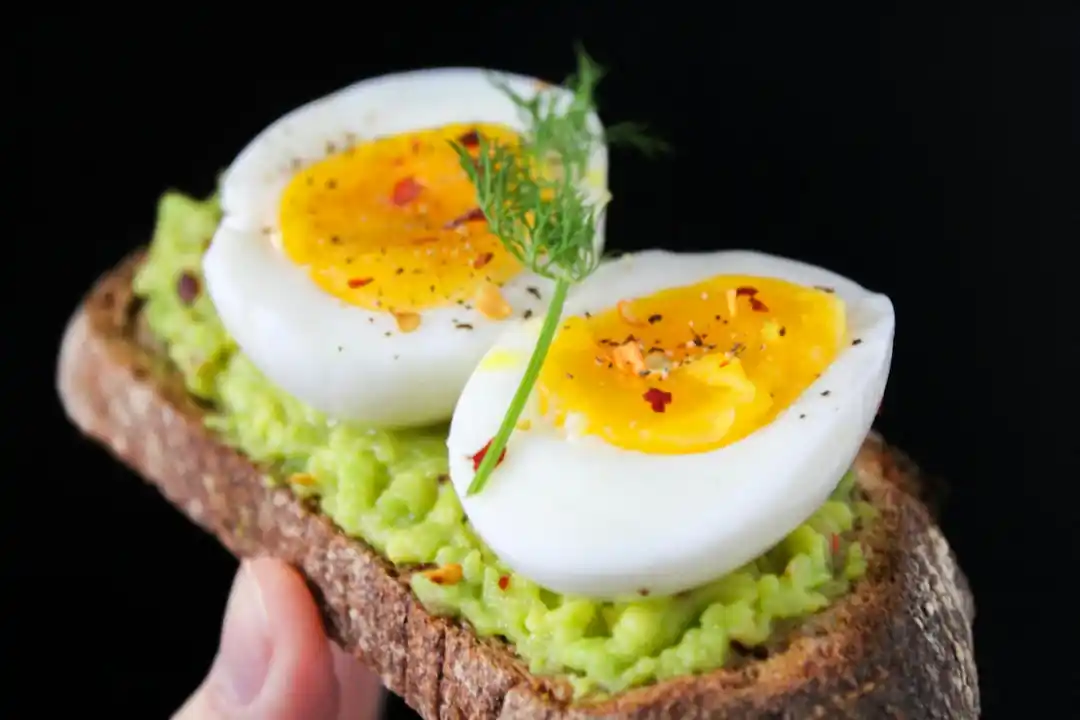
What do these mini-meals look like? It could be a small bowl of oatmeal, a piece of toast with avocado, a Greek yogurt, or a handful of nuts with some fruit. The key is to make them balanced. Try to include a source of protein, a healthy fat, and a carbohydrate in each one. This isn't about force-feeding; it's about consistent, gentle nourishment.
Building Your Plate: What to Eat and What to Limit
So, what should you actually be eating? The focus should be on whole foods that are easy to digest. Your body is working hard, so you want to give it premium fuel that it doesn't have to struggle to process.
Foods to Emphasize:
- Lean Proteins: Protein is crucial for cell repair and maintaining muscle mass. Think baked or grilled chicken and fish, eggs, tofu, and legumes. These are the building blocks your body needs.
- Healthy Fats: Don't be afraid of fat, but choose the right kinds. Avocados, olive oil, nuts, and seeds provide a lot of calories in a small package and are essential for absorbing certain vitamins.
- Cooked Fruits and Vegetables: Raw veggies can be tough on the gut. Cooking them—by steaming, baking, or boiling—makes them much easier to digest while retaining their nutrients. Think applesauce, baked sweet potatoes, and steamed carrots.
- Hydrating Fluids: Dehydration is a real risk and can worsen fatigue. Sip on water, clear broths, and diluted juices throughout the day. Drinking between meals, rather than with them, can help prevent you from feeling too full.
Foods to Approach with Caution:
- High-Fat, Greasy, and Fried Foods: These are the hardest for your body to break down and can trigger pain, bloating, and diarrhea. This includes things like fast food, fatty cuts of meat, and rich, creamy sauces.
- Sugary Foods and Drinks: While they provide quick calories, they offer little nutritional value and can cause spikes and crashes in blood sugar.
- High-Fiber, Raw Vegetables: While normally healthy, things like raw broccoli or a large, leafy salad can be too much for a sensitive digestive system. Listen to your body.
The Critical Role of Pancreatic Enzymes
This is a topic that absolutely cannot be overlooked. If you have PEI, you can eat the most perfect diet in the world and still suffer from malabsorption. This is where Pancreatic Enzyme Replacement Therapy (PERT) comes in. These are prescription medications that provide your body with the digestive enzymes it's missing.
You take these capsules with every single meal and snack that contains fat or protein. They are not optional; they are essential for unlocking the nutrients in your food. I've heard it described as the key that unlocks the door to nutrition. Without it, all that good food may pass right through you.
It’s so important to work with your doctor or a registered dietitian to get the dosage right. It can vary depending on what you're eating. They are your partners in this process and can provide invaluable guidance. Don't be shy about asking questions—getting your enzyme therapy right can be life-changing in how you feel.
This path is not easy, and it requires patience and kindness with yourself. There will be good days and bad days. The goal is not perfection, but progress. Every small, nourishing choice is a victory. By focusing on a diet of gentle, nutrient-dense foods and working closely with your healthcare team, you can use nutrition as a profound act of self-care, helping to fuel your body for the journey ahead.
Your Plate, Your Shield: The Best Foods for a Virus-Proof Immune System
That Expiring Passport: Your No-Stress Guide to U.S. Renewal

Related Posts
 NUTRITION
The Simple Pre-Workout Fueling Strategy That Saved My Long Runs
Discover how timing your carbohydrates and embracing simple foods can eliminate mid-workout fatigue and unlock your true endurance potential.
 FITNESS
No Gym, No Problem: The Ultimate Guide to Bodyweight Fitness at Home
Forget expensive memberships. Discover how to build serious strength and transform your body using the most powerful tool you already own: yourself.

Popular Posts

Rethinking Non-Profit Promotion: Creative Strategies That Actually Drive Event Impact

Beyond Stark White: The Best Interior Paint Colors to Light Up Your New Space

How to Actually Master a New Language on Your Own (No Magic Gene Required)