Can Mindfulness and Meditation Help Manage Injury Pain? A Deeper Look
Navigating the frustrating world of injury recovery? It turns out, the path to managing pain might be more mental than you think. Let's explore the science-backed connection between mindfulness and pain relief.
If you've ever dealt with a significant injury, you know the journey is more than just physical. There's the initial shock, the frustration of limited mobility, and the persistent, often draining, presence of pain. We're conditioned to reach for ice packs and pain relievers, and while those are crucial tools, what if one of the most powerful instruments for managing pain was already within you? It sounds a bit like a wellness cliché, I know, but a growing body of scientific evidence suggests that mindfulness and meditation can profoundly change our relationship with pain.
I'll be honest, I was skeptical at first. The idea of sitting still and breathing to combat a throbbing knee or a searing backache felt... insufficient. How could something so gentle stand up to something so aggressive? But as I dug into the research and spoke with people who had integrated these practices into their recovery, I realized I was looking at it all wrong. It's not about making the pain magically disappear. It's about retraining the brain to respond to it differently, reducing its intensity, and reclaiming your life from its grip.
This isn't just about positive thinking. It's about tangible, neurological changes. When you get injured, your body sends signals to your brain. But the experience of "pain" is constructed in the brain itself, colored by your emotions, fears, and stress levels. Have you ever noticed how your pain feels worse on a stressful day? That's your brain's emotional centers amplifying the pain signals. This is where mindfulness steps in—not as a cure, but as a way to decouple the physical sensation from the emotional suffering that so often comes with it.
The Science of How Stillness Soothes
So, what's actually happening in your brain when you meditate? It's not just wishful thinking. Neuroscientists have used fMRI scans to observe the brains of people in pain, and the findings are fascinating. One landmark 2022 study showed that mindfulness meditation interrupts the communication between the part of the brain that senses pain and the part that creates the sense of self. In doing so, it reduces the "ownership" of pain. The sensation is still there, but the brain isn't constructing the emotional, "this is happening to me" narrative that creates so much suffering.
Think of it like this: the pain signal is like a radio broadcast. Before meditation, the volume is cranked up, and it's the only station you can hear. Mindfulness practice doesn't turn the radio off, but it gives you the ability to lower the volume and tune into other stations—the feeling of your feet on the floor, the sound of birds outside, the rhythm of your own breath. The pain signal becomes just one of many sensations, rather than the sole focus of your reality.
Furthermore, consistent meditation practice has been shown to physically alter brain structure. It can thicken the prefrontal cortex, the area associated with emotional regulation and concentration, while shrinking the amygdala, the brain's fear and anxiety center. This means that over time, you become less reactive to stressful stimuli, including pain. You're building a brain that is more resilient and less likely to get hijacked by the panic and frustration that so often accompany an injury.
Practical Ways to Start Your Practice
The beauty of mindfulness is its accessibility. You don't need special equipment or a silent retreat. You just need a few minutes and a willingness to be present. If you're new to this, the idea of "meditating" can be intimidating, so let's break it down into simple, actionable techniques.
One of the easiest entry points is the Body Scan Meditation. Lie down comfortably and close your eyes. Start by bringing your attention to your toes. Just notice any sensations—warmth, tingling, pressure, or even a lack of sensation. Don't judge it or try to change it. Just observe. Slowly, work your way up your body—your feet, ankles, calves, knees—spending a minute or two on each area. When you get to the site of your injury, approach it with the same gentle curiosity. Acknowledge the pain without labeling it "bad." Just notice its qualities. Is it sharp or dull? Hot or cold? Does it pulse or is it constant? This practice helps you see the pain as a transient physical sensation rather than an all-consuming monster.
Another powerful and simple technique is Mindful Breathing. Sit in a comfortable position, either on a chair with your feet flat on the floor or on a cushion. Close your eyes and bring your attention to the tip of your nose. Feel the sensation of the cool air entering your nostrils and the warm air leaving. Your mind will wander. That's what minds do. The practice is not about stopping your thoughts, but about noticing when they've drifted and gently, without judgment, guiding your focus back to your breath. Each time you do this, you are strengthening your "attention muscle." Even five minutes of this a day can begin to calm your nervous system and reduce your reactivity to pain.

Weaving Mindfulness into Your Recovery Journey
Integrating mindfulness isn't about adding another chore to your list. It's about shifting your perspective throughout the day. You can practice mindfulness while doing your physical therapy exercises, paying full attention to the movement of your muscles. You can eat a meal mindfully, savoring each bite instead of scrolling through your phone. These small moments of presence accumulate, creating a buffer against the stress and anxiety that can hinder recovery.
It's also important to be compassionate with yourself. Healing is not linear. There will be good days and bad days. On the tough days, it's easy to fall back into old patterns of frustration and despair. This is where the practice truly helps. Instead of berating yourself, you can acknowledge the difficulty with kindness. You can offer yourself the same compassion you would offer a friend who is struggling. This self-compassion is not self-pity; it's a vital component of resilience.
Ultimately, managing pain from an injury is a holistic process. While medical treatment is essential, we can't ignore the powerful role our minds play. By incorporating mindfulness and meditation, you are not just waiting for your body to heal; you are actively participating in the process. You are learning to soothe your own nervous system, to change your brain's response to pain, and to find a sense of peace even when your body is in turmoil. It's a skill that will not only serve you through your recovery but will stay with you long after the injury has healed.

Beyond the Runway: A Guide to Milan's Must-See Art Museums
The Unseen Opponent: How to Stay Mentally Positive While Recovering From a Sports Injury

Related Posts
 NUTRITION
The Simple Pre-Workout Fueling Strategy That Saved My Long Runs
Discover how timing your carbohydrates and embracing simple foods can eliminate mid-workout fatigue and unlock your true endurance potential.
 FITNESS
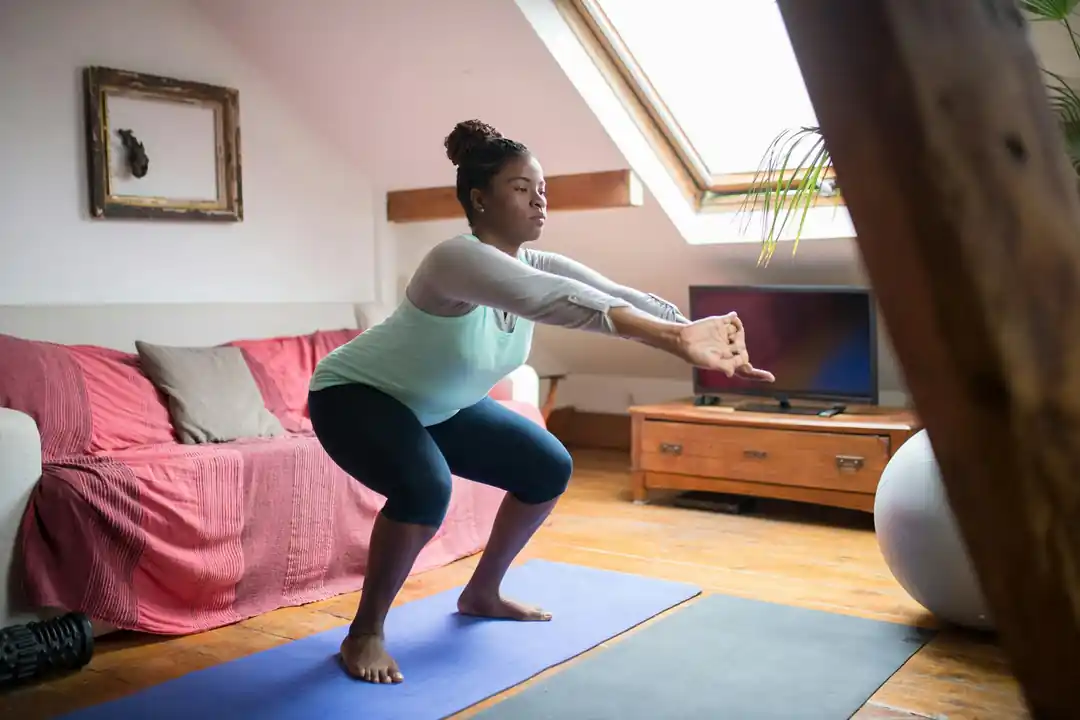
No Gym, No Problem: The Ultimate Guide to Bodyweight Fitness at Home
Forget expensive memberships. Discover how to build serious strength and transform your body using the most powerful tool you already own: yourself.

Popular Posts

Rethinking Non-Profit Promotion: Creative Strategies That Actually Drive Event Impact

Beyond Stark White: The Best Interior Paint Colors to Light Up Your New Space

How to Actually Master a New Language on Your Own (No Magic Gene Required)