Finding Your Zen in the Dental Chair: Can Mindfulness Tame Dental Anxiety?
Let's be honest, the dentist's office isn't exactly everyone's happy place. But what if a simple mental shift could transform that anxiety into calm? It's called mindfulness, and it might just be the key.
The mere thought of an upcoming dental appointment can make my shoulders tense up. For years, I thought I was just being dramatic. The sterile smell, the high-pitched whir of the drill, the feeling of utter vulnerability—it all combined into a knot of dread in my stomach. If you can relate, you're far from alone. Dental anxiety is a real and pervasive issue, causing millions of Americans to delay or completely avoid necessary care, sometimes with serious consequences for their health.
It’s a strange, specific kind of fear, isn't it? A logical part of your brain knows that the procedure is for your own good, but a much louder, more primal part is screaming "danger!" This internal conflict is exhausting. For a long time, my strategy was simple: avoidance. I'd cancel and reschedule until the problem became too big to ignore. But what if we didn't have to fight that feeling, but could instead learn to sit with it, acknowledge it, and let it pass?
This is the promise of mindfulness. It’s not about pretending the fear doesn't exist, but about fundamentally changing your relationship with it. Recent studies and a growing number of dental professionals are highlighting mindfulness exercises as a powerful, drug-free tool to manage dental phobia. It’s about empowering yourself to find a sense of calm and control, even when you’re reclined in that chair.
What Is Dental Anxiety, Really?
At its core, dental anxiety is a manifestation of our body's natural "fight or flight" response. When we perceive a threat—whether it's the sight of a needle or the memory of a painful past experience—our sympathetic nervous system kicks into high gear. Your heart rate increases, your breathing becomes shallow, and your muscles tighten. It's an ancient survival mechanism that, in the context of a modern dental office, can feel completely overwhelming and counterproductive.
This fear isn't just "in your head." It has deep roots. For many, it stems from a negative or traumatic dental experience in childhood. For others, it's connected to a fear of pain, a feeling of losing control, or the sheer intimacy of having someone work inside your mouth. Acknowledging the legitimacy of these feelings is the first, most crucial step. You're not being irrational; your body is simply trying to protect you based on its past programming.
The real problem is that this anxiety creates a vicious cycle. Fear leads to avoidance, which allows minor dental issues to become major ones. A small cavity that could have been a simple filling might turn into a root canal or extraction, reinforcing the idea that dental visits are, in fact, painful and scary. Breaking this cycle requires a new approach, one that addresses the root of the anxiety itself, not just the symptoms.
The Power of the Present Moment
This is where mindfulness comes in. In the simplest terms, mindfulness is the practice of paying attention to the present moment on purpose, without judgment. When we're anxious, our minds are usually anywhere but the present. We're either replaying a past trauma ("the last time this hurt so much") or forecasting a future catastrophe ("what if the anesthetic doesn't work?"). Mindfulness acts as an anchor, tethering our awareness to the here and now.
How does this help? By focusing on the physical sensations of the present—the feeling of the chair supporting your back, the sound of your own steady breathing, the coolness of the air in the room—you give your mind something neutral to focus on. You learn to observe your anxious thoughts as if they are clouds passing in the sky, rather than getting swept up in the storm. You notice the thought, "I'm scared," and instead of letting it spiral, you can simply label it—"Ah, there is fear"—and gently guide your attention back to your breath.
This practice has been shown to quiet the amygdala, the brain's alarm center that triggers the fight-or-flight response. By consciously engaging in mindfulness, you are actively signaling to your nervous system that you are safe. It's a way of telling your body, "I know this feels scary, but right now, in this exact second, I am okay." It’s a subtle but profound shift from being a victim of your anxiety to being an observer of it.
Simple Exercises to Try Before and During Your Visit
The best part about mindfulness is that it's a skill you can build over time. You don't have to wait until you're in the dental chair to start. Practicing these simple exercises for a few minutes each day can make them much easier to access when you're under stress.
One of the most effective techniques is Box Breathing. It's simple to remember and incredibly grounding. You just inhale slowly for a count of four, hold your breath for a count of four, exhale slowly for a count of four, and hold the exhale for a count of four. Repeat this cycle several times. This rhythmic breathing pattern is a powerful way to regulate your nervous system and calm a racing heart. You can do it in the waiting room, or even with your eyes closed during the procedure.
Another powerful exercise is the Body Scan. Lying in the dental chair, bring your attention to the tips of your toes. Just notice any sensations—warmth, coolness, tingling, pressure—without trying to change them. Slowly, move your awareness up through your feet, to your ankles, your calves, and so on, all the way to the top of your head. When you notice an area of tension (like your jaw or shoulders), simply acknowledge it. The act of bringing gentle, non-judgmental awareness to these areas can often help them relax on their own.
Finally, don't underestimate the power of Mindful Listening. Instead of trying to block out the sounds of the dental office, which can sometimes increase anxiety, try to listen to them with detached curiosity. Notice the hum of the light, the distant sound of the suction, the dentist's voice. Hear them simply as vibrations in the air, without attaching the usual stories of fear to them. This can help you uncouple the sounds from your anxious reaction, creating a sense of distance and calm.
A Partnership in Your Oral Health
While these internal practices are powerful, they are most effective when combined with open communication. Your dentist is not your adversary; they are your partner in health. Letting your dental team know about your anxiety before the appointment begins can make a world of difference. They can explain what they're doing at each step, offer breaks, and agree on a non-verbal "stop" signal (like raising your hand) that puts you back in control.
Many modern dental practices are already incorporating elements of a more mindful approach. They might offer noise-canceling headphones, weighted blankets, or simply create a more soothing environment. Don't be afraid to ask what options are available. Remember, their goal is the same as yours: to get through the appointment safely and comfortably.
Ultimately, managing dental anxiety is a journey. Mindfulness isn't a magic wand, but it is a profoundly effective tool that you can carry with you anywhere. It’s about learning to be with your fear without letting it control you. With practice, you can transform the dental chair from a place of dread into a space where you can practice courage, presence, and a deep sense of self-care.

Beyond the Headlines: Your Guide to Spotting Misinformation Online
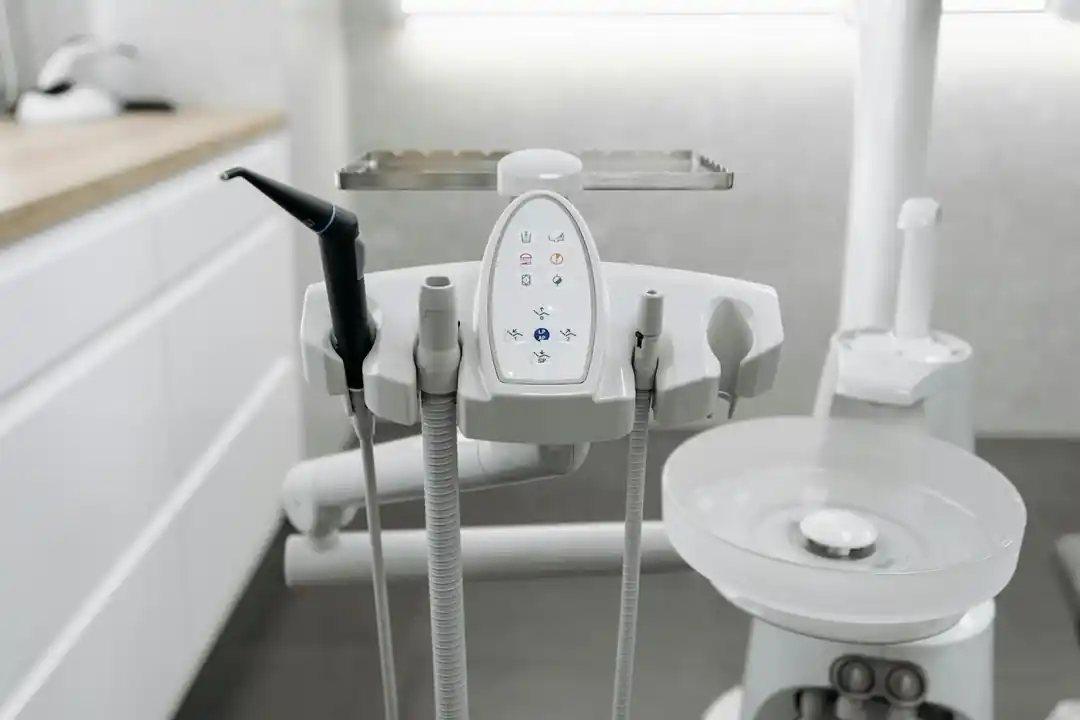
That Chair Doesn’t Have to Be Scary: How to Overcome Your Dental Anxiety
Related Posts
 NUTRITION
The Simple Pre-Workout Fueling Strategy That Saved My Long Runs
Discover how timing your carbohydrates and embracing simple foods can eliminate mid-workout fatigue and unlock your true endurance potential.
 FITNESS
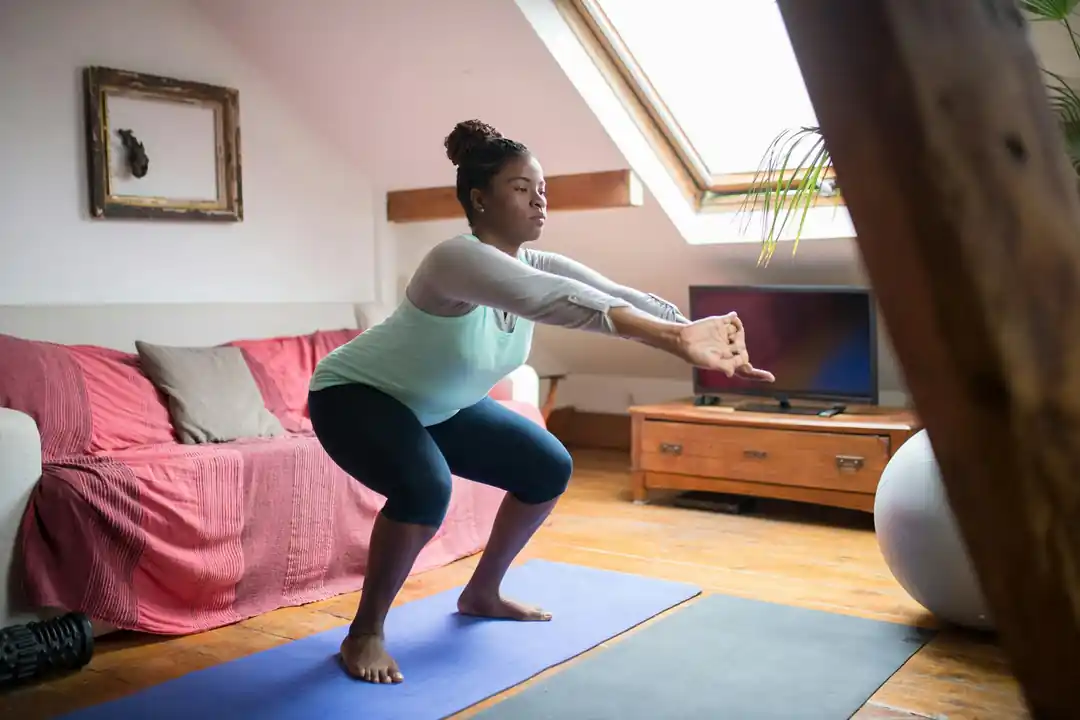
No Gym, No Problem: The Ultimate Guide to Bodyweight Fitness at Home
Forget expensive memberships. Discover how to build serious strength and transform your body using the most powerful tool you already own: yourself.

Popular Posts

Rethinking Non-Profit Promotion: Creative Strategies That Actually Drive Event Impact

Beyond Stark White: The Best Interior Paint Colors to Light Up Your New Space

How to Actually Master a New Language on Your Own (No Magic Gene Required)