From glassy seas to rolling fog, a ferry journey is always an adventure. Here’s how to prepare for and embrace whatever the weather has in store.
There’s a certain kind of magic exclusive to ferry travel. It’s not just about getting from point A to point B; it’s the experience of the journey itself. The steady hum of the engines, the salty air that whips through your hair on the open deck, and the slow, unfolding panorama of the coast give you a sense of perspective that you just can’t get from a highway. It’s a moment to breathe and watch the world go by at a more human pace.
But let’s be honest, that idyllic picture in our heads is often painted with perfect sunshine and calm seas. The reality, as any seasoned traveler knows, can be quite different. Weather has a mind of its own, and it can turn a serene glide into a dramatic adventure. I’ve had my fair share of both—from crossings that felt like floating on a mirror to ones where the horizon was doing a lively dance.
Instead of dreading the unknown, I’ve learned that understanding what to expect and being a little prepared can transform apprehension into appreciation. It’s about knowing how to find comfort when the skies turn gray, how to keep your balance when the waves pick up, and how to find the beauty in a fog-shrouded morning. After all, every journey has its own story, and sometimes the most memorable ones are those that don't go exactly as planned.
Sailing on a Perfect, Sunny Day
This is the dream, isn't it? You step onto the ferry, and the sun is warming your skin. The water is a vast expanse of sparkling blue, and the sky is clear as far as the eye can see. On days like these, the ferry becomes a floating oasis. The best spot is, without a doubt, on the outer deck, where you can lean against the railing and watch the coastline recede or the destination grow larger on the horizon.
The atmosphere on a sunny day is usually light and cheerful. Families are taking photos, couples are pointing out landmarks, and solo travelers are lost in books or music. It feels less like a mode of transport and more like a mini-cruise. The gentle rocking of the boat is soothing, and the rhythmic sound of the water parting for the bow is almost meditative.
Even in this perfect scenario, a little preparation makes the experience even better. Sunscreen is non-negotiable, as the reflection off the water can intensify the sun's rays. A good pair of sunglasses is also a must. And while it might be warm, the breeze on the water can still have a chill to it, so having a light jacket or sweater on hand is always a smart move. Staying hydrated is key, so bring a water bottle you can refill. This is the kind of day to simply enjoy the ride.
Navigating Through Rain and Gray
A rainy forecast doesn't have to mean a ruined trip. In fact, there's a moody, atmospheric beauty to a ferry ride in the rain. The world outside the windows becomes a soft-focus painting of gray skies and misty shores. The sound of rain tapping against the glass, combined with the low rumble of the engines, creates a cozy, insulated feeling inside the main cabin.
This is your chance to explore the interior of the ferry. Find a comfortable seat by a large window and watch the water droplets race each other down the pane. It’s the perfect time to catch up on a podcast, dive into a good book, or just enjoy a warm drink from the onboard cafe. The enclosed space fosters a sense of shared experience; a quiet camaraderie among passengers all watching the weather unfold.
Of course, practicality is key. A waterproof jacket is your best friend, allowing you to still step outside for a bit of fresh air under a covered portion of the deck without getting soaked. The decks can be slippery, so sensible, non-slip shoes are a must if you plan on walking around. The journey might feel more introspective and calm, a peaceful observation of nature's more somber mood.
Bracing for Wind and Chop
When the wind picks up, the sea begins to show its true power. This is when the ferry ride transforms from a gentle float to a more dynamic experience. The vessel will start to pitch and roll with the swells, and you’ll feel the distinct rise and fall as it cuts through the waves. For some, this is an exhilarating reminder of the forces of nature. For others, it’s the beginning of a battle with motion sickness.
If you’re prone to seasickness, this is the time to be proactive. Taking medication before you board is the most effective strategy. If you’re already on the water, find a spot in the center of the ferry on a lower deck, where the motion is less pronounced. Staring at a fixed point on the horizon can help your brain sync up with the movement. Avoid reading or looking at your phone, and try to get some fresh, cool air if it's safe to be on deck.
During choppy conditions, the crew's announcements are more important than ever. They’ll advise passengers to remain seated or to use handrails when moving about. It’s important to remember that these vessels are built to withstand much more than a bit of rough water. The captain and crew are highly experienced in navigating these conditions, and their priority is always safety. Trust in their expertise, find a secure seat, and ride it out.
When Fog Rolls In
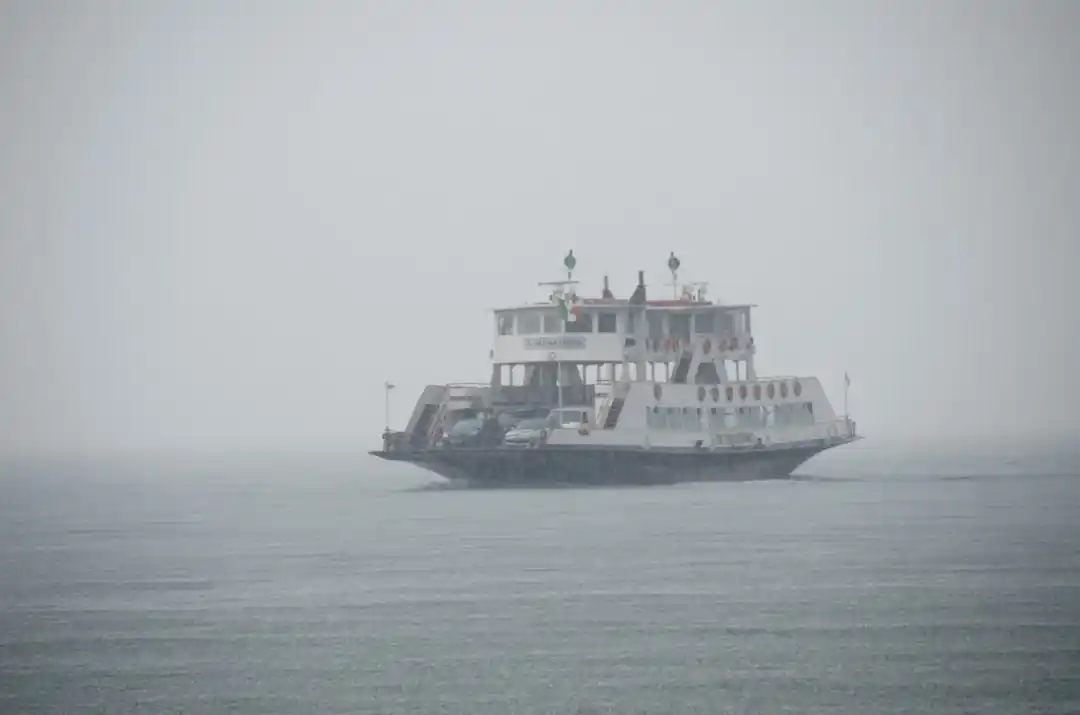
There is nothing quite like the experience of being on the water when a thick fog descends. The world shrinks to just the boat and a few feet of gray, misty water around it. The familiar sounds of the sea are muffled, and a quiet hush falls over everything. It can be both eerie and incredibly peaceful at the same time.
When visibility drops, you'll hear the ferry's foghorn sounding at regular intervals—a deep, resonant blast that cuts through the silence. This is a crucial safety measure to alert other vessels of your presence. The ferry will also slow down considerably. The journey will take longer, but this is a necessary precaution.
From a passenger's perspective, a foggy crossing is a surreal experience. You can’t see where you’re going or where you’ve been. It’s a moment of pure presence, suspended between two unseen points. It’s a time to embrace the mystery and the quiet, to feel the damp air on your face, and to listen to the lonely call of the foghorn echoing across the water. It’s a powerful reminder that even when we can’t see the way forward, the journey continues.
No matter the weather, every ferry trip is an opportunity to connect with the world in a different way. By being prepared and open to the experience, you can find something to appreciate in the brilliant sunshine, the moody rain, the powerful wind, or the mysterious fog. Each has its own lesson and its own beauty.

That Drive-Thru Craving, But Make It Healthy: Your Guide to the Perfect Homemade Burger
The Unseen Road: A Lifesaving Guide to Driving in Dense Fog

Related Posts
 TRANSPORT
Beyond the Highway: Finding Canada's Soul on a Western Rail Adventure
Forget road trips. I'm talking about rediscovering the romance of travel on Via Rail's most scenic routes through the heart of the Canadian West. It’s an experience that changes you.
 TRAVEL TIPS
The Unwritten Rules of the North: What to Know Before Camping in Canada
Heading to the Great White North for a camping trip? It's an amazing idea. But from campfire etiquette to wildlife wisdom, here’s what you need to know before you go.

Popular Posts

Rethinking Non-Profit Promotion: Creative Strategies That Actually Drive Event Impact

Beyond Stark White: The Best Interior Paint Colors to Light Up Your New Space

How to Actually Master a New Language on Your Own (No Magic Gene Required)
