Ever watched a women's college game after an NBA match and felt a different rhythm? It's not just you. Let's dive into the key rule variations that make women's basketball a unique and strategic sport.
If you’re a fan of hoops, you’ve probably spent countless hours glued to your screen, watching everything from March Madness to the NBA Finals. There’s a certain universal language to the squeak of sneakers on hardwood, the swish of the net, and the roar of the crowd. But have you ever switched between a men’s and a women’s game and felt a subtle shift in the flow and feel of the play? For years, I just assumed basketball was basketball, a single set of rules for everyone.
Honestly, it was only after watching a women's NCAA tournament game followed by a men's game that I started noticing the nuances. The pacing felt different, the strategy around fouls seemed to shift, and even the arc of the ball looked distinct. It sent me down a bit of a rabbit hole, and what I found was fascinating. The differences aren't just trivial; they are intentional, well-considered adjustments that shape the women’s game into the unique, highly skilled sport it is today.
It’s a conversation that goes beyond just physical differences, touching on the very philosophy of the game. These rules, from the size of the ball to the length of the shot clock, are designed to highlight skill, promote fluid play, and create a distinct brand of basketball. So, let's get into it and break down the key distinctions that every true basketball fan should know.
It Starts with the Ball
The most fundamental difference, and perhaps the most impactful, is the basketball itself. It’s something you might not notice from the stands, but it changes everything for the players on the court. In the men’s game (both NCAA and NBA), players use a standard Size 7 basketball, which has a circumference of 29.5 inches and weighs about 22 ounces. This is the ball most of us probably grew up playing with at the local park.
The women’s game, however, utilizes a slightly smaller Size 6 ball. It measures 28.5 inches in circumference and weighs around 20 ounces. An inch of circumference and a couple of ounces might not sound like much, but it makes a world of difference. I read a fascinating piece that explained this change was first adopted to accommodate the generally smaller hand size of female athletes. A better grip allows for more control in dribbling, passing, and, most importantly, shooting.
Think about it: a more manageable ball allows for a quicker release on a jump shot and a tighter handle on a crossover. This isn't about making the game "easier"; it's about equipping athletes with tools that best allow them to showcase their incredible skill. The WNBA has used the Size 6 ball since its inception, and it’s the standard across all levels of professional and collegiate women's basketball, fostering a game that can emphasize finesse and precision.
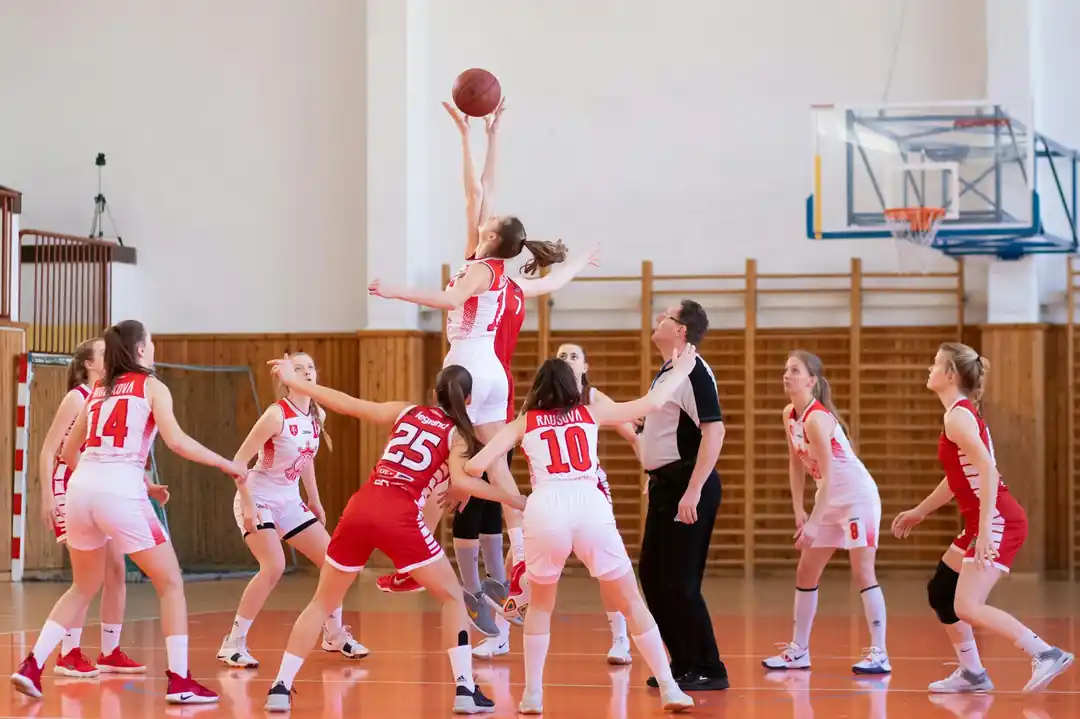
The Clock and the Court
Beyond the ball, the very structure of the game offers another point of contrast, especially at the collegiate level. While the NBA and WNBA both play four 12-minute and 10-minute quarters, respectively, the college game has its own rhythm. Men’s NCAA basketball is played in two 20-minute halves. This creates long stretches of play where foul accumulation becomes a major strategic element.
In 2015, NCAA women’s basketball made a significant shift, moving from halves to four 10-minute quarters, aligning with the WNBA and international play. This change has a huge impact on game management. Team fouls reset at the end of each quarter, which means teams can play more aggressively on defense early in a period without the fear of putting their opponent in the bonus for an extended time. It creates more distinct "mini-games" within the overall contest.
The three-point line also has its own history of differences. For a long time, the women's line was closer to the basket than the men's. However, in recent years, the NCAA has moved the women's three-point line back to match the men's at 22 feet, 1 ¾ inches. This change reflects the incredible shooting range of today's female athletes and further unifies the geography of the court across both games.
Fouls, Advancement, and Flow
How fouls are handled and how the ball is advanced up the court also contribute to the different textures of the men's and women's games. In the men's college game, there's a 10-second rule, requiring the team to get the ball across the half-court line within that time. Interestingly, this rule doesn't exist in women's college basketball, allowing for a more deliberate setup against full-court pressure without the added time constraint.
The way teams get into the bonus is also different. In the women’s four-quarter system, a team is in the bonus on the fifth foul of each quarter, immediately earning two free throws. This is a simple and direct system. The men’s game, with its two long halves, uses a tiered system. A team reaches the "one-and-one" bonus on the seventh foul of a half (meaning a player must make the first free throw to get a second) and the "double bonus" (two shots) on the tenth foul. This can lead to more complex late-half strategies involving intentional fouls.
These might seem like minor details, but they add up to create two distinct viewing experiences. The women's game, with its quarterly foul reset and lack of a 10-second backcourt rule, can often feel more fluid and continuous. The men's game can sometimes involve more stop-and-start play due to the nature of its foul and bonus structure. Neither is better or worse—they are simply different strategic landscapes. And appreciating these differences is key to understanding the genius of the players and coaches who navigate them. It’s a reminder that there's always another layer to the game we love.

Your First Day on Skis: A Beginner's Guide to Finding Your Feet
Stop Skidding, Start Slicing: A Guide to True Ski Carving

Related Posts
 HOBBIES
The Beginner's Guide to Reading the Night Sky: How to Spot Your First Constellations
A friendly, grounded guide to navigating the night sky, understanding stellar movements, and spotting iconic constellations without expensive gear.
 PETS
PETSSniffle-Free Snuggles: America's Most-Loved Hypoallergenic Dogs
Dreaming of a furry friend but dreading the sneezes? You're not alone. Let's dive into the wonderful world of popular hypoallergenic dog breeds in the US.

Popular Posts

Rethinking Non-Profit Promotion: Creative Strategies That Actually Drive Event Impact

Beyond Stark White: The Best Interior Paint Colors to Light Up Your New Space

The Simple Pre-Workout Fueling Strategy That Saved My Long Runs