Beyond the Postcard: A Guide to Israeli Culture and Customs
Heading to Israel? It's a place where ancient history and modern life dance together. To truly connect with its soul, understanding the local etiquette is key. Let's dive in.
There are some places in the world that you can feel long before you see them, and Israel is one of them. It’s a country that buzzes with an energy that is simultaneously ancient and vibrantly modern. You can feel it in the hum of prayer at the Western Wall, taste it in the spices of a Jerusalem market, and see it in the dynamic, sun-drenched streets of Tel Aviv. But to truly experience Israel, to get past the postcard views and connect with its heart, it helps to understand the cultural rhythms that make it tick.
Honestly, before my first trip, I was a little intimidated. I’d heard so much about the history, the politics, the religion—it felt like a complex web I was afraid to navigate incorrectly. But what I found was a place far more welcoming and open than I could have imagined, where people’s directness is a form of honesty and their hospitality is deeply ingrained. Understanding a few key customs didn't just help me avoid awkward moments; it opened doors to genuine connections and a much richer journey.
So, if you're planning a trip, let's talk about some of the cultural etiquette that will help you move through this incredible country with respect and understanding.
Greetings and the Beauty of "Dugri"
One of the first things you'll likely notice when interacting with Israelis is a communication style that can feel very different from the typical American approach. Israelis are famous for "dugri" (pronounced DOO-gree), a Hebrew slang term for speaking straight. This isn't about being rude; it's about being direct, honest, and cutting through the fluff. Small talk isn't as common, and people will often get right to the point. It can be a little jarring at first, but I quickly came to appreciate its efficiency and sincerity.
This directness can also manifest in questions that might seem personal by US standards—questions about your job, your family, or why you're visiting. This is almost always a sign of genuine curiosity and an attempt to build a quick connection, not an invasion of privacy. A warm, open response is usually met with the same. When it comes to greetings, a simple "Shalom" (which means "peace" and is used for hello and goodbye) is always appropriate. Handshakes are common, but it's a good idea to be mindful, as some very religious individuals may avoid physical contact with the opposite sex. A nod and a smile are a perfect substitute if you're unsure.
Personal space is also a bit more fluid in Israel. People tend to stand closer when they talk and are more physically expressive, often using hand gestures to emphasize a point. It’s all part of a culture that is, at its core, incredibly warm and community-oriented. Leaning into this expressive and direct style of communication, rather than shying away from it, is one of the best ways to feel like you're a part of the local fabric.
The Sacred Rhythm of Shabbat
You cannot talk about life in Israel without talking about Shabbat. The Jewish day of rest, which begins at sundown on Friday and ends after nightfall on Saturday, is a cornerstone of Israeli life and has a major impact on the rhythm of the entire country. For a visitor, this is something you absolutely need to plan for. In most Jewish-majority cities, especially Jerusalem, public transportation stops, and most shops, restaurants, and businesses close.
I learned this the hard way on my first Friday in Jerusalem, assuming I could just hop on a bus in the late afternoon. Instead, I found myself in a city that was peacefully, almost magically, shutting down. It forces you to slow down. Friday night becomes a time for family dinners, and the streets become quiet. If you are lucky enough to be invited to a Shabbat dinner, it is a special honor and an incredible cultural experience. If you go, it's customary to bring a small gift, like a bottle of wine (make sure it's kosher), a dessert, or flowers.
In more secular cities like Tel Aviv, the impact is less pronounced, with many restaurants and cafes remaining open. However, it's still a noticeable shift. Planning your travel and activities around Shabbat is key. Think about where you want to be by Friday afternoon and how you'll get there. It might seem like an inconvenience, but embracing the quiet and reflective atmosphere of Shabbat can be one of the most unique and memorable parts of your trip.
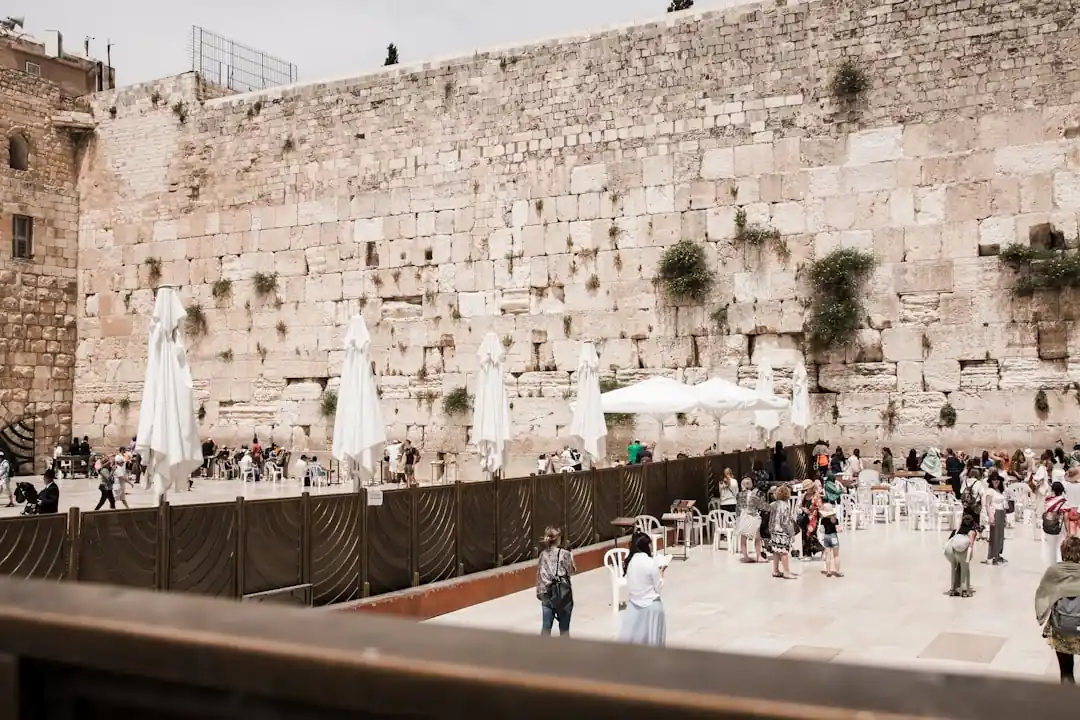
Dressing with Respect for Holy Sites
Israel is the cradle of three major world religions, and your itinerary will almost certainly include visits to sites that are deeply sacred to Jews, Christians, and Muslims. How you dress when visiting these places matters a great deal. It's not about a strict dress code, but about showing respect for the sanctity of these locations and the people who worship there. For both men and women, the general rule of thumb for most religious sites is modesty.
This typically means covering your shoulders and knees. For women, this might mean wearing a long skirt or pants and a shirt with sleeves. I always recommend carrying a large, lightweight scarf in your daypack. It’s incredibly versatile—you can use it to cover your shoulders, drape it over your head if required (as in some mosques), or even wrap it around your waist as a makeshift skirt if you're wearing shorts. It’s a simple solution that ensures you’re prepared for any situation.
For men, long pants are a safe bet. At Jewish holy sites, like the Western Wall, men will be asked to cover their heads. There is a box of free, disposable kippahs (yarmulkes) available at the entrance for this purpose. While Tel Aviv is very much a modern, Mediterranean city with a relaxed dress code, once you head to Jerusalem or more conservative areas, dressing a little more modestly, even when just walking around, is a sign of cultural awareness that will be appreciated.
Ultimately, traveling in Israel is a journey of immense discovery. It’s a place that challenges you, inspires you, and stays with you long after you've left. By approaching it with an open heart and a willingness to understand its unique cultural landscape, you're not just a tourist; you're a respectful guest, ready to receive the warmth and hospitality that this ancient, beautiful land has to offer.

What to Wear in Israel: A Packing Guide for Every Season
The Unseen Lifeline: How Military Planes Keep Remote Bases Running

Related Posts
 TRANSPORT
Beyond the Highway: Finding Canada's Soul on a Western Rail Adventure
Forget road trips. I'm talking about rediscovering the romance of travel on Via Rail's most scenic routes through the heart of the Canadian West. It’s an experience that changes you.
 TRAVEL TIPS
The Unwritten Rules of the North: What to Know Before Camping in Canada
Heading to the Great White North for a camping trip? It's an amazing idea. But from campfire etiquette to wildlife wisdom, here’s what you need to know before you go.

Popular Posts

Rethinking Non-Profit Promotion: Creative Strategies That Actually Drive Event Impact

Beyond Stark White: The Best Interior Paint Colors to Light Up Your New Space

How to Actually Master a New Language on Your Own (No Magic Gene Required)
