Thinking about hopping on the bus in Laredo? It's a fantastic way to get around the city. Let's break down everything from fares to routes to make your first ride a total breeze.
Let’s be honest, trying to figure out a new public transit system can feel like you’re trying to crack a secret code. You stand at the bus stop, squinting at a map that looks like a plate of spaghetti, wondering if you have the right change or if the bus you need even runs on a Saturday. I’ve been there. But here in Laredo, getting around on the El Metro system is way more straightforward than you might think, and it’s a genuinely great way to see the city from a different perspective.
Whether you're a visitor trying to get from your hotel to the heart of downtown, a student heading to TAMIU, or a local just looking to save on gas, the bus is a solid choice. It’s economical, it’s better for the environment, and it takes the stress of traffic and parking completely off your plate. So, grab a coffee, and let’s walk through everything you need to know to ride El Metro with the confidence of someone who’s been doing it for years.
The First Step: Fares and Passes
Before you can hop on board, you’ve got to know how to pay. The good news is that El Metro keeps its fare structure simple and affordable. A standard one-way trip for an adult is just $1.75. The most important thing to remember? Bus operators can't make change. It’s one of those unwritten rules of public transit everywhere. Having the exact amount ready will make your life, and the driver's, so much easier.
El Metro also offers a variety of discounts, which is fantastic. Students with a valid ID, for example, pay a reduced rate. There are also special fares for seniors, persons with disabilities (who have an El Metro ID), and Medicare cardholders, making the system incredibly accessible. If you plan on riding frequently, it’s worth looking into their pass options. You can often buy daily, weekly, or monthly passes that offer unlimited rides, which can save you a good amount of money in the long run.
You can typically get these passes and any necessary special IDs at the main El Metro Transit Center, located at 1301 Farragut Street. This central hub is the heart of the system and the perfect place to get all your questions answered. Just pop into the information booth, and they can get you set up with whatever you need. A little preparation here goes a long way in ensuring a smooth ride later.
Finding Your Way: Routes and Schedules
Now for the part that often seems the most intimidating: the map. Laredo’s system is what’s known as a "hub and spoke" model. This means that most of the routes start from, or pass through, the central Transit Center downtown. This is actually a huge advantage for new riders. If you ever get lost or confused, you can usually just hop on any bus heading to the Transit Center and start over. It’s a built-in safety net.
To plan your trip, your best friend is the official El Metro website. There, you’ll find a complete system map that shows all 23 routes and the areas they serve. You can see which bus will take you to Mall del Norte, Laredo College, or any other key destination. But the real game-changer is the real-time bus tracker. Using GPS, you can see exactly where your bus is on its route and get an estimated arrival time for your stop. This tool is invaluable—no more standing in the hot Texas sun wondering if you just missed your ride!
Take a few minutes before you leave to trace your route online. Note the route number and the name of the stop where you need to get off. It’s also a good idea to check the schedule, as service hours can vary, especially on weekends and holidays. A little digital recon makes the actual journey feel much less like a mystery and more like a simple, straightforward trip.
Pro Tips for a Smooth Ride
Once you’ve got your fare and route figured out, the rest is easy. But there are a few bits of rider etiquette that will make the experience better for everyone. First, always wait for the bus at a marked El Metro bus stop. For safety reasons, drivers aren’t allowed to stop for passengers who try to flag them down between stops. As the bus approaches, make sure the driver can see you so they know to pull over.
When you board, have your cash or pass ready. If you need a transfer to another route, ask the driver for one as you pay your fare. Find a seat, and if the bus is crowded, be mindful of the priority seating at the front, which is reserved for seniors and riders with disabilities. It’s a small gesture of courtesy that makes a big difference.
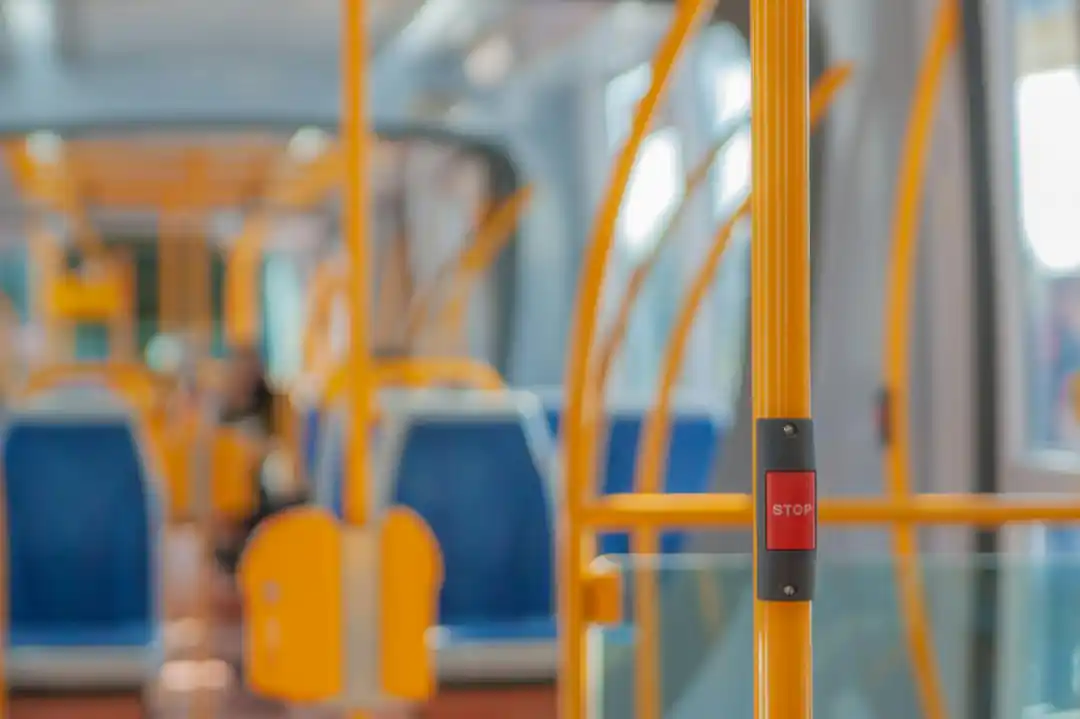
As you near your destination, signal the driver that you want to get off. You can do this by pulling the cord that runs along the windows or by pressing one of the stop request buttons located on the poles throughout the bus. Try to signal about a block before your stop to give the driver plenty of time to pull over safely. When you exit, using the rear door helps keep things moving, allowing new passengers to board through the front. And that’s it! You’ve successfully navigated your first trip.
Riding the bus is more than just a way to get around. It’s a chance to slow down, to see the neighborhoods you usually speed through, and to feel a little more connected to the rhythm of your city. It’s a small adventure in your everyday life. Hopefully, this little guide has demystified the process and encouraged you to give El Metro a try. Happy travels

Your First Aloha: Which Hawaiian Island Should You Visit?
Just Landed in Laredo? How to Get Downtown from the Airport

Related Posts
 TRANSPORT
Beyond the Highway: Finding Canada's Soul on a Western Rail Adventure
Forget road trips. I'm talking about rediscovering the romance of travel on Via Rail's most scenic routes through the heart of the Canadian West. It’s an experience that changes you.
 TRAVEL TIPS
The Unwritten Rules of the North: What to Know Before Camping in Canada
Heading to the Great White North for a camping trip? It's an amazing idea. But from campfire etiquette to wildlife wisdom, here’s what you need to know before you go.

Popular Posts

Rethinking Non-Profit Promotion: Creative Strategies That Actually Drive Event Impact

How to Actually Master a New Language on Your Own (No Magic Gene Required)

The Simple Pre-Workout Fueling Strategy That Saved My Long Runs