The Overlooked Gold: Why Investing in Water Is a Deeper Play Than You Think
It doesn't have the flash of AI or biotech, but water is quietly becoming one of the most critical investment sectors. Here's why you should be paying attention.
Let’s be honest. When you think about exciting, high-growth investments, your mind probably jumps to the latest tech unicorn, a groundbreaking AI company, or maybe even the volatile world of crypto. Water? It just doesn't seem to have that same sizzle. It feels… well, boring. It’s the ultimate utility, always there, flowing from the tap. But I’ve spent the last few weeks diving into this world, and what I’ve found has completely shifted my perspective. The story of water is one of the most compelling, urgent, and potentially lucrative investment theses of our generation.
I used to put water in the same mental bucket as electricity or waste management—essential, sure, but not exactly a thrilling growth area. That was a mistake. The reality is that the systems that deliver clean water to our homes and businesses are, in many parts of the US, silently crumbling. We're facing a convergence of aging infrastructure, climate change pressure, and population shifts that is creating a multitrillion-dollar problem. And in that problem lies a profound opportunity.
It’s a classic case of looking at what everyone else is overlooking. While the headlines are chasing flashy trends, the quiet, non-negotiable need for clean, safe water is creating a powerful undercurrent of demand for innovation and capital. This isn't just about pipes and dams anymore; it's about sophisticated technology, data analytics, and building a resilient future.
The Silent Crisis: Why Water is a Critical Investment
You don’t see it every day, but much of America’s water infrastructure is a relic of a bygone era. Many systems were built in the post-war boom, with an expected lifespan of 70 to 100 years. Well, that bill is coming due. The American Society of Civil Engineers (ASCE) consistently gives our drinking water and wastewater systems grades of C- and D+, respectively. This isn't just an academic score; it translates into real-world consequences, like the estimated 6 billion gallons of treated water lost per day due to leaky pipes.
The financial scope of this challenge is immense. Some estimates suggest the US needs to invest over $1 trillion in the coming decades to modernize its water systems. The Bipartisan Infrastructure Law has allocated a significant $55 billion to this cause, which is a fantastic start, but it’s truly just a drop in the bucket. This massive funding gap is where the private sector, and savvy investors, come into play.
It’s not just about fixing what’s broken, either. Population growth in arid states like Arizona and Texas is putting unprecedented strain on already scarce water resources. At the same time, more intense rainfall in other regions is overwhelming outdated stormwater systems. This is the new reality of our climate, and it demands not just repairs, but a fundamental rethinking of how we manage water—smarter, more resilient, and far more efficient systems are no longer a nice-to-have, they are a must-have.
Beyond the Tap: Understanding Water-Focused Funds
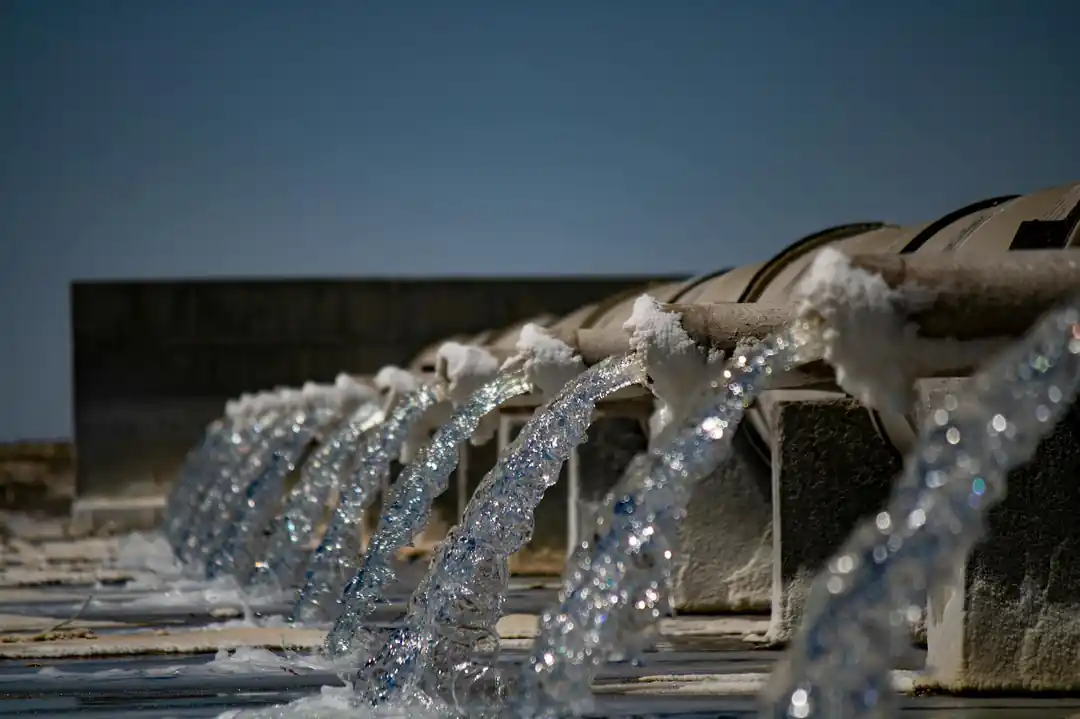
So, how does an individual investor get exposure to this massive trend? For most of us, buying a local utility isn't practical. This is where water-focused mutual funds and Exchange Traded Funds (ETFs) become so powerful. They allow you to invest in a diversified basket of companies that are tackling the water crisis from every angle. Think of it as buying a slice of the entire solution.
These funds typically hold a mix of companies across three main categories. First, you have the water utilities themselves—the regulated companies that treat and deliver water to customers. They often provide stable, dividend-paying returns. Second, there are the infrastructure companies. These are the businesses that make the physical components: the pipes, pumps, valves, and meters that are essential for building and repairing water systems.
The third category, and honestly the one I find most exciting, is water technology. These are the innovators. They are developing the advanced filtration systems to remove "forever chemicals" like PFAS, the smart sensors and software for detecting leaks in real-time, and the cutting-edge desalination and water recycling technologies that will redefine our relationship with water. Investing in a fund gives you exposure to all these facets, from the steady utilities to the high-growth tech players.
How to Find and Evaluate Water Funds
When you start looking, you'll find a handful of key players in the water ETF space. The Invesco Water Resources ETF (PHO) is one of the largest and oldest. It focuses heavily on US-based companies involved in infrastructure and, especially, water treatment and technology. It’s a strong choice for those who want to bet on American innovation in the sector.
Another major fund is the First Trust Water ETF (FIW). Its portfolio is a bit more balanced across the different sub-sectors, including utilities, infrastructure, and technology. It provides a broad, comprehensive exposure to the entire water industry value chain, making it a solid core holding for someone just getting into the theme.
For those looking with a more global and environmental lens, the Invesco S&P Global Water Index ETF (CGW) and the Global X Clean Water ETF (AQWA) are excellent options. CGW holds companies from around the world, giving you a stake in how Europe and Asia are tackling their own unique water challenges. AQWA, meanwhile, specifically targets companies that are making a significant contribution to clean water access and sustainability, aligning your investment with positive global impact. As always, this isn't financial advice, but rather a starting point for your own research into a sector with undeniable tailwinds.
The Future is Fluid: A Long-Term Perspective
Investing in water isn't a get-rich-quick scheme. It's a long-term thesis built on an undeniable, non-negotiable human need. The demand for clean water is inelastic. It doesn't care about recessions, market fads, or interest rate changes. This provides a defensive quality to the investment that is hard to find elsewhere. As populations grow and the climate continues to change, the need for efficient and robust water infrastructure and technology will only become more acute.
What truly excites me is the technological side. We are on the cusp of a revolution in water management. Think AI-powered analytics predicting pipe failures before they happen, satellite imagery identifying illegal water diversion, and decentralized treatment systems that can bring clean water to remote communities. These aren't science fiction; they are active areas of development and investment.
By investing in water funds, you are funding the companies building this future. You are helping to solve one of the most pressing challenges of the 21st century. It’s a rare opportunity to align your portfolio with both the potential for steady, long-term growth and the certainty of making a tangible, positive impact on the world. And that’s an investment thesis that feels anything but boring.

The 25-Minute Magic Trick: How a Simple Timer Can Revolutionize Your Productivity
Are Water Stocks a Good Investment? A Deep Dive for Beginners

Related Posts
 BUSINESS
Rethinking Non-Profit Promotion: Creative Strategies That Actually Drive Event Impact
Discover modern, research-backed strategies for promoting non-profit fundraisers, from experiential marketing to hyper-local micro-influencers and cross-sector partnerships.
 BUSINESS
Is the TV Ad Dead? A Deep Dive into Cost and Effectiveness in 2024
In an age of streaming and scrolling, is a TV commercial still a smart bet for brands? We're breaking down the real costs and surprising effectiveness of television advertising today.

Popular Posts
Rethinking Non-Profit Promotion: Creative Strategies That Actually Drive Event Impact

Beyond Stark White: The Best Interior Paint Colors to Light Up Your New Space

How to Actually Master a New Language on Your Own (No Magic Gene Required)
