Navigating the Heart of Hospitality: Essential Etiquette for Your Middle Eastern Journey
Thinking of a trip to the Middle East? It's an incredible experience, but it helps to know a few things first. Here are some tips to help you navigate the culture with grace and respect.
There’s a certain kind of magic that pulls you toward the Middle East. Maybe it’s the images of vast, golden deserts, the intricate geometry of ancient mosques, or the stories of legendary hospitality that have traveled across continents. Whatever it is, embarking on a journey to this part of the world is an adventure for the soul. But I get it, along with the excitement, there can be a little thread of anxiety. What should I wear? How do I greet people? Am I going to accidentally offend someone?
Honestly, I had all those same questions before my first trip. I’d read a few articles, but nothing quite prepares you for the lived experience. What I discovered was that while the region is incredibly diverse—spanning from the ultra-modern skyscrapers of Dubai to the ancient, stone-carved city of Petra—there's a common thread of deep-seated values that centers on respect, family, and generosity. Making an effort to understand and honor these customs doesn't just prevent awkward moments; it opens doors. It turns a simple vacation into a series of genuine, human connections that you’ll carry with you long after you’ve come home.
It’s not about losing yourself, but about showing the best version of yourself—a curious, respectful, and open-hearted traveler. And trust me, that effort is seen, appreciated, and almost always returned with a warmth that is nothing short of inspiring.
The Silent Language of Modesty
Before you even say a word, your clothing is communicating for you. In the Middle East, modesty is a deeply valued principle for both men and women, and dressing with respect is one of the most significant ways to show your cultural awareness. This isn't about a strict, unyielding dress code everywhere you go, but rather a general guideline that shows you respect the local customs. In most public places, the goal is to cover your shoulders and knees.
For women, this is a great excuse to embrace flowy, comfortable fashion. Think long skirts, maxi dresses, loose-fitting trousers, and linen shirts. I’ve found that packing a few lightweight scarves is an absolute game-changer. They’re not only a beautiful accessory but are incredibly practical. You can drape one over your shoulders for a bit of extra coverage or use it to cover your hair when entering a mosque, which is a mandatory sign of respect. While many larger mosques provide robes or head coverings for visitors, having your own feels more personal and prepared.
Men should also be mindful of their attire. While you might live in shorts back home, it’s best to pack long trousers, especially for visiting religious sites, dining in nicer restaurants, or exploring more conservative areas. In the sweltering heat, lightweight chinos or linen pants are your best friend. If you do wear shorts, it's best to ensure they are at least knee-length. It’s a small adjustment that signals you’re not just a tourist passing through, but a guest who appreciates the local way of life.
Greetings, Gestures, and Good Graces
The art of interaction in the Middle East is nuanced and beautiful. Greetings are rarely rushed; they are a moment of genuine acknowledgment. While a simple "hello" works, learning "As-salamu alaykum" (peace be upon you) will be met with warm smiles. The response is "Wa alaykum as-salam" (and upon you, peace). Using this small bit of Arabic shows effort and opens hearts.
One of the most critical pieces of etiquette to remember involves your hands. The left hand is traditionally reserved for personal hygiene and is considered unclean. Because of this, you should always use your right hand to eat (especially if sharing a communal dish), to shake hands, and to give or receive items, including money. As a left-hander, this took some getting used to, but it’s a deeply ingrained custom, and making the effort is a powerful sign of respect.
When it comes to physical greetings, norms vary. Men will often shake hands with other men, and these handshakes can be longer and warmer than what many Westerners are used to—it’s a sign of friendship. However, it's crucial for men to wait for a woman to extend her hand first. If she doesn’t, a polite nod and a smile are the perfect way to show respect. Public displays of affection are strongly discouraged, so it’s best to be mindful of personal space and keep affectionate gestures private.
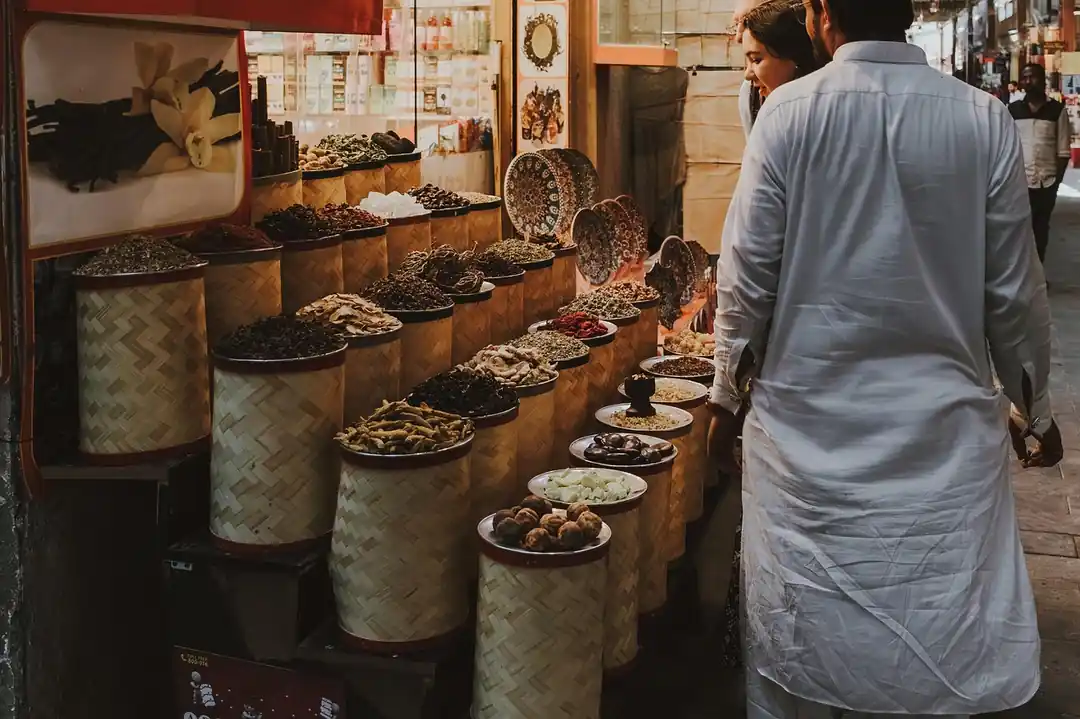
The Heart of Hospitality: Dining and Visiting
There is nothing quite like Middle Eastern hospitality. It is legendary for a reason. Generosity is a pillar of the culture, and as a guest, you will be treated with immense honor and kindness. If you are invited into someone's home, consider it a great compliment. It’s an opportunity to experience the culture in its most authentic form. When you arrive, it’s customary to remove your shoes before entering, so make sure you’re wearing presentable socks!
You will almost certainly be offered coffee or tea. Always, always accept. Refusing a host's offer of refreshment can be seen as a rejection of their hospitality. Even if you only take a small sip, the act of acceptance is what matters. When drinking Arabic coffee from the small, handleless cups, you can signal you’ve had enough by gently shaking the cup from side to side when your host offers a refill.
When it comes to dining, be prepared for an abundance of food. Your host will likely offer you food multiple times, and it's polite to accept. Pacing yourself is key! Leaving a small amount of food on your plate at the end of the meal is often a polite way to signal that you are full and have been generously provided for. And remember: always use your right hand for eating. Complimenting the food is a wonderful way to show your appreciation for the effort and love that went into preparing the meal.
Traveling is about more than just seeing new places; it's about expanding our understanding of the world and our place in it. By embracing these cultural norms, you’re not just being a polite tourist—you’re opening yourself up to a richer, more meaningful travel experience. May your journey be filled with warmth, connection, and unforgettable memories.

Beyond the Brochure: A Realist's Guide to Vetting Travel Safety in Complex Regions
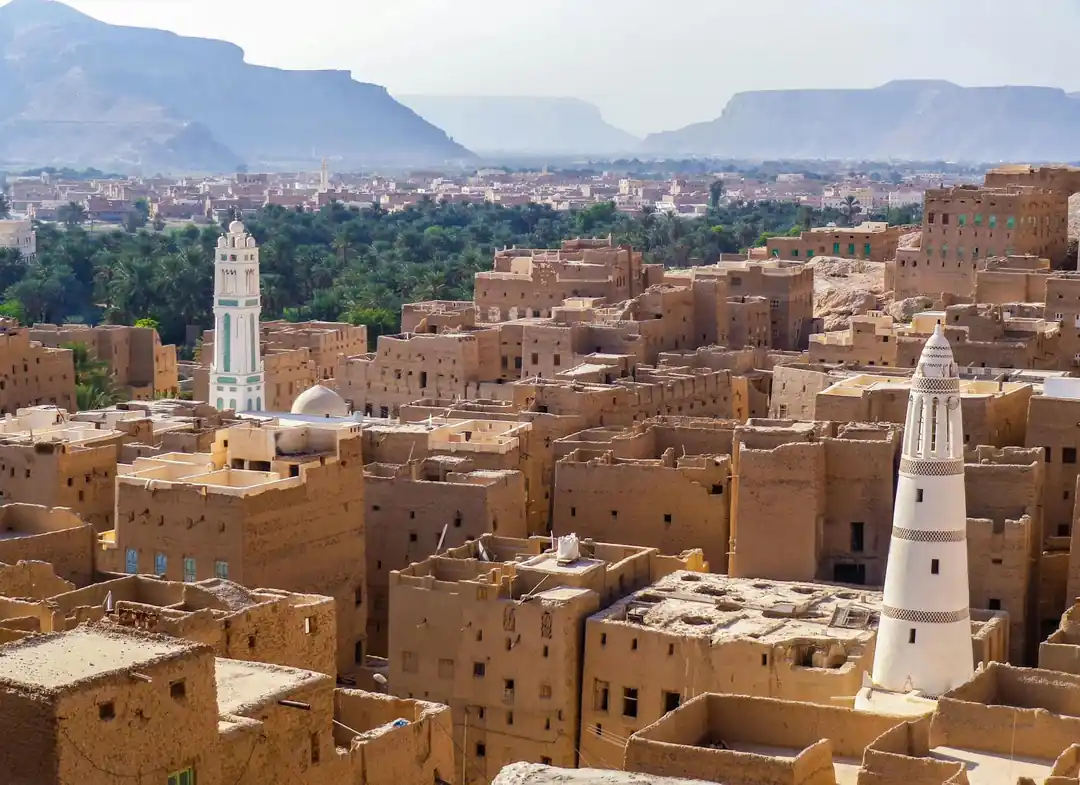
Yemen's Enduring Echoes: A Journey Through Ancient Sands and Sky-High Cities
Related Posts
 TRANSPORT
Beyond the Highway: Finding Canada's Soul on a Western Rail Adventure
Forget road trips. I'm talking about rediscovering the romance of travel on Via Rail's most scenic routes through the heart of the Canadian West. It’s an experience that changes you.
 TRAVEL TIPS
The Unwritten Rules of the North: What to Know Before Camping in Canada
Heading to the Great White North for a camping trip? It's an amazing idea. But from campfire etiquette to wildlife wisdom, here’s what you need to know before you go.

Popular Posts

Rethinking Non-Profit Promotion: Creative Strategies That Actually Drive Event Impact

Beyond Stark White: The Best Interior Paint Colors to Light Up Your New Space

How to Actually Master a New Language on Your Own (No Magic Gene Required)
