Ever walked past a Bitcoin ATM and wondered how it works? I finally tried one. Here’s the honest, step-by-step story of turning cash into crypto for the very first time.
I’ve seen them around for a while now, usually tucked away in the corner of a gas station or standing stoically in a local smoke shop. The crypto ATM. It always felt like this slightly mysterious, high-tech monolith that was exclusively for super-savvy tech people. For the longest time, I was just… intimidated. The idea of feeding cash into a machine to buy something as intangible as Bitcoin felt both futuristic and frankly, a little nerve-wracking. What if I messed it up? Where does the money even go?
But my curiosity finally got the better of me. In a world where digital finance is becoming less of a niche and more of a mainstream conversation, I figured it was time to face the machine. I wanted to know what the experience was really like for a total beginner. Was it as complicated as I imagined? Was it secure? So, I did my homework, took a deep breath, and decided to document my first journey into the world of cash-for-crypto.
Honestly, the whole process was a fascinating blend of the familiar and the foreign. It has shades of using a regular bank ATM, but with its own unique set of rules and steps. If you've been standing on the sidelines like I was, consider this your friendly guide from someone who just took the plunge.
Before You Go: The First-Timer's Checklist
You can't just show up to a crypto ATM with a handful of cash and hope for the best. I learned pretty quickly that a little prep work goes a long way. It’s the difference between a smooth, five-minute transaction and a frustrating half-hour of confusion. Think of it like getting your documents in order before heading to the DMV; it just makes life easier.
First and foremost, you need a digital wallet. This is non-negotiable. A crypto wallet is a secure digital place to store your cryptocurrency, and it lives on your smartphone. There are hundreds of them out there, but for a beginner, I’d recommend well-known ones like Exodus, Trust Wallet, or even the wallet provided by an exchange like Coinbase. The setup is usually simple, and the most important part is getting your "receive" address. This is a long string of characters, often shown as a QR code, that you'll need to scan at the ATM. I took a screenshot of my wallet's QR code beforehand, just in case of bad cell service at the location.
Next, find an ATM. This was easier than I thought. Websites like Coin ATM Radar are indispensable for this. You just type in your city, and it pulls up a map of all the nearby machines. It also gives you crucial details, like the cryptocurrencies offered (most are Bitcoin-only), transaction limits, and, importantly, the operator's fee structure. Pay attention to the operator—companies like CoinFlip, Bitstop, and RockItCoin are common in the US. I picked one in a well-lit, busy convenience store. Safety first, always.
Finally, be prepared for the identity check. This surprised me. I had this vague notion that crypto was anonymous, but that’s not the case with regulated ATMs in the United States. To comply with anti-money-laundering (AML) and know-your-customer (KYC) laws, most machines will require some form of verification. For a small transaction (say, under $900), it might just be your phone number. For larger amounts, you will absolutely need to scan your driver's license or another government-issued ID. Don't be alarmed; this is a sign that the operator is legitimate.
At the Machine: A Step-by-Step Walkthrough
Okay, deep breath. I walked into the store, located the glowing machine, and started the process. The on-screen prompts were surprisingly user-friendly and guided me through each step.
First, I selected "Buy Coins" on the touchscreen. The machine then asked for my phone number, and I received a verification code via text almost instantly, which I entered on the keypad. This is a basic security step to link the transaction to a real person.
The next step was the most crucial: the wallet scan. The ATM’s screen switched to a camera view, and it prompted me to hold up my wallet's QR code. I opened the screenshot I’d saved, held my phone up to the scanner, and in a second, the machine beeped and displayed my long wallet address on the screen. I triple-checked that the address on the screen matched the one in my wallet app. This is so important because crypto transactions are irreversible. If you send it to the wrong address, it's gone forever.
Once I confirmed my wallet, the fun part began: feeding the machine cash. It works just like a self-checkout kiosk. I inserted my bills one by one, and the screen updated in real-time, showing me the dollar amount I’d inserted and the corresponding amount of Bitcoin I was about to buy. This is also where you see the exchange rate and the fee. Be prepared—the fees can be steep (often 10-20%), which is the price of convenience. After I inserted my cash, I hit "Finish," and the machine confirmed the transaction. It printed a paper receipt with all the transaction details, including a transaction ID that I could use to track it on the blockchain.
The Aftermath: Waiting for Your Crypto
I’d be lying if I said I wasn’t a little anxious for the first few minutes after I walked away. I kept refreshing my wallet, waiting for the Bitcoin to appear. It wasn't instantaneous, which is something to be aware of. A crypto transaction has to be confirmed by the network (the "blockchain"), which can take anywhere from a few minutes to a bit longer, depending on how busy the network is.
For me, it took about ten minutes. I got a notification from my wallet app, and there it was: my first fraction of a Bitcoin, purchased with cash from a machine in a convenience store. It felt pretty surreal. The entire process, from start to finish, was far less intimidating than I had built it up to be in my head.
While the fees are undeniably higher than using an online exchange, the experience offered a unique sense of tangibility. It’s a fantastic bridge for anyone who is more comfortable with cash or finds the process of linking bank accounts to online exchanges to be a barrier. It’s a simple, direct, and surprisingly secure way to make your first foray into the world of cryptocurrency. My advice? Do your prep work, stay aware of your surroundings, and don't be afraid to finally face the machine. You might be surprised at how simple it really is.
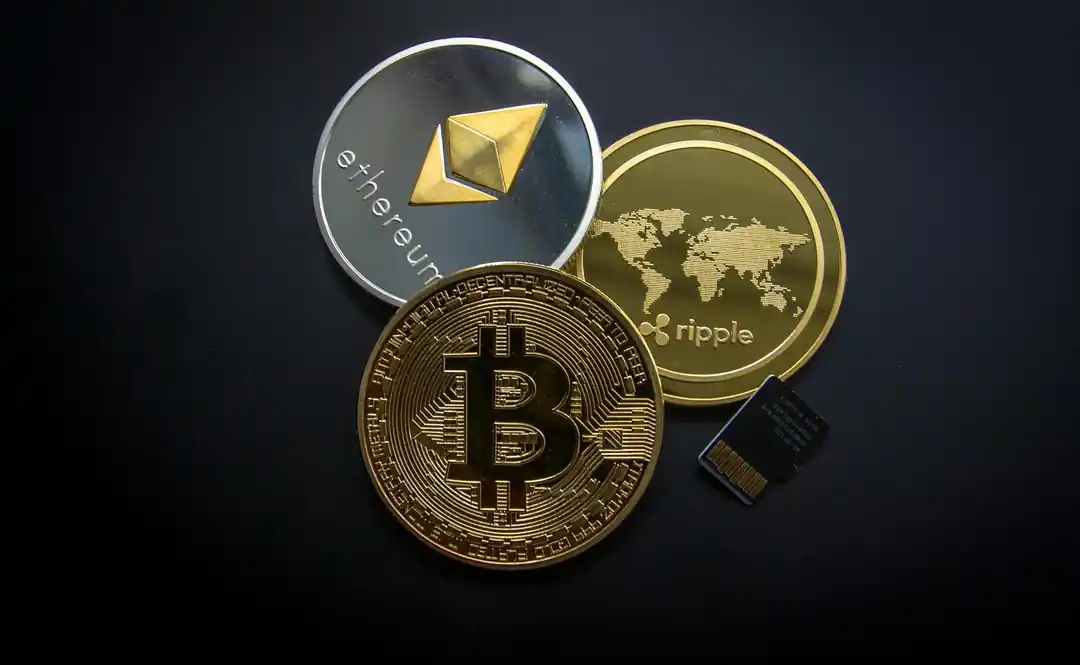
Bitcoin vs. Altcoins: More Than Price, It's a Battle of Strategies
The Complete Guide to Renting a Car at San Juan Airport (SJU)

Related Posts
 BUSINESS
Rethinking Non-Profit Promotion: Creative Strategies That Actually Drive Event Impact
Discover modern, research-backed strategies for promoting non-profit fundraisers, from experiential marketing to hyper-local micro-influencers and cross-sector partnerships.
 BUSINESS
Is the TV Ad Dead? A Deep Dive into Cost and Effectiveness in 2024
In an age of streaming and scrolling, is a TV commercial still a smart bet for brands? We're breaking down the real costs and surprising effectiveness of television advertising today.
Popular Posts
Rethinking Non-Profit Promotion: Creative Strategies That Actually Drive Event Impact

Beyond Stark White: The Best Interior Paint Colors to Light Up Your New Space

How to Actually Master a New Language on Your Own (No Magic Gene Required)
