Beyond the Brochure: A First-Timer's Real Guide to Senegal
Thinking about Senegal? Let's go beyond the usual travel tips. We're talking about the real stuff: the culture, the connections, and the unforgettable spirit of Teranga.
There are some places that just get under your skin, in the best way possible. For me, Senegal is one of those places. I’d seen the pictures—the vibrant pink lake, the solemn beauty of Gorée Island, the sprawling baobab trees—but honestly, no photo can prepare you for the feeling of being there. It’s a country that moves to its own rhythm, a rhythm of vibrant music, bustling markets, and a profound sense of hospitality that changes you.
Before my first trip, I did all the usual research. I had a checklist of visa requirements, currency exchange rates, and recommended vaccinations. And while all that is incredibly important (and we’ll get to it), the real preparation is about opening your mind. Senegal is often called the "Gateway to Africa," and it’s a fitting title. It’s an introduction to a continent of immense diversity, and it does so with a warmth that feels like a personal welcome.
So, let’s have a real chat, friend to friend. Forget the generic travel fluff. Let’s talk about what you actually need to know to not just visit Senegal, but to truly experience it. From the practicalities of navigating Dakar to understanding the deep-seated cultural traditions, this is the guide I wish I had before I first stepped off the plane and into the warm, enveloping embrace of West Africa.
First Things First: The Pre-Trip Essentials
Let's get the logistics out of the way, because smooth travels start with good planning. One of the biggest reliefs for many travelers, including those from the US, is that Senegal does not require a visa for stays up to 90 days. This is a huge plus, cutting down on pre-trip paperwork and stress. However, and this is a big however, travel rules can and do change. I always make it a habit to check the latest requirements with the official Senegalese embassy website a couple of months before my departure, just for peace of mind.
What you absolutely will need is a passport with at least six months of validity remaining from your date of entry. This is a non-negotiable rule for many countries, so double-check your expiration date now. You’ll also want to make sure you have a blank page for that precious entry stamp. While not always asked for, it’s smart to have proof of your return flight and your hotel or accommodation details handy.
On the health front, preparation is key. The CDC strongly recommends a yellow fever vaccination for travel to Senegal. While you might not be checked for the certificate upon entry, having it is wise, especially if you plan to travel to other African nations afterward. I’d also suggest a chat with your doctor or a travel clinic about other recommended immunizations like Hepatitis A and Typhoid, and to get a prescription for anti-malarial medication. Malaria is a risk, and taking preventative measures is a simple way to ensure your trip is memorable for all the right reasons.
Money, Markets, and Moving Around
Navigating the local economy is a huge part of the travel experience. Senegal uses the West African CFA Franc (XOF). While you might be able to use a credit card at high-end hotels or restaurants in Dakar, for everything else, cash is absolutely king. From the colorful textiles at a local market to a delicious plate of Thieboudienne (the national dish, and you must try it) from a street vendor, you'll need cash. I recommend exchanging a decent amount of money at an official bureau de change or a bank when you arrive.
ATMs are available in Dakar and other major cities, but they aren't as reliable as what you might be used to back home. They can run out of cash or simply refuse to cooperate with foreign cards. My strategy is to withdraw a larger sum from a bank-affiliated ATM during business hours, just in case an issue arises. Then, I split my cash, keeping a small amount for the day in my wallet and the rest secured back in my hotel.
Getting around is an adventure in itself! In Dakar, taxis are everywhere. Always agree on a price before you get in; haggling is part of the culture. For longer distances, you’ll encounter the famous sept-place (seven-seat) shared taxis. They’re a budget-friendly and authentic way to travel between towns, but be prepared for a cozy ride, as they only leave when they are completely full. It’s all part of the experience—a lesson in patience and a great way to meet locals.
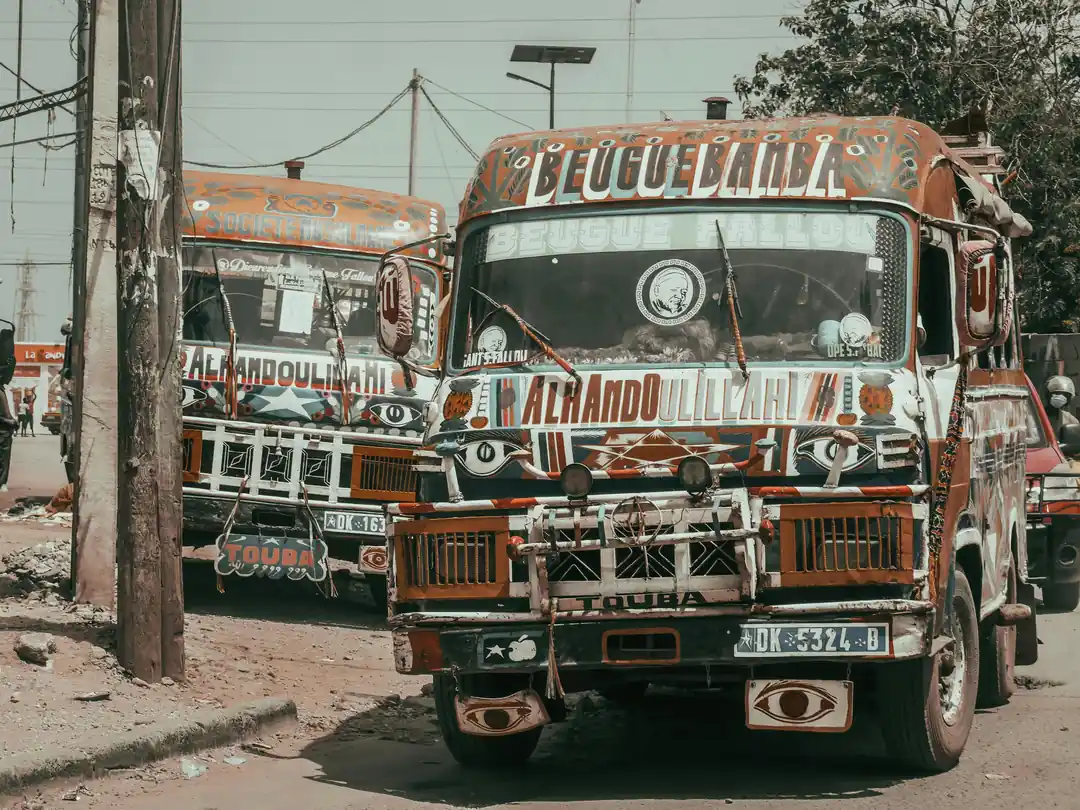
Embracing the Heartbeat of Senegal: Teranga and Culture
If there is one word you need to know in Senegal, it’s Teranga. It’s often translated as "hospitality," but it’s so much more than that. It’s a philosophy of generosity, respect, and community that you will feel everywhere. It’s in the warm, prolonged handshakes and the genuine inquiries about your family. It’s in the offer to share a meal with a near-stranger. Learning a few words in Wolof, the most widely spoken local language, like "Nanga def?" (How are you?) and "Jërëjëf" (Thank you), will be met with the most wonderful, appreciative smiles.
As a predominantly Muslim country, Senegal is socially conservative, and dressing modestly is a simple and important sign of respect. This is especially true when you venture outside of the capital or visit religious sites. For both men and women, this means keeping your shoulders and knees covered. I found that loose-fitting linen pants and long skirts were perfect for staying cool while respecting local norms. It’s not about being restrictive; it’s about showing that you are a mindful and considerate visitor.
Dining is a beautiful, communal affair. If you are invited to share a meal, it is a true honor. You’ll likely eat from a shared platter, using your right hand. The host will often serve the best pieces of meat or fish to the guests as a sign of honor. And then there is ataya, the tea ceremony. It’s a ritual of friendship that involves brewing and pouring sweet mint tea in three successive rounds. Accepting this tea is accepting a hand of friendship. It’s a slow, deliberate process that teaches you to sit, to savor, and to simply be present.
Senegal is not a place you can rush through. It’s a country that asks you to slow down, to engage your senses, and to connect with the people you meet. It will challenge your perspectives and fill your heart. Go with an open mind, a patient spirit, and a willingness to be transformed by the incredible power of Teranga. I promise you, the journey will be worth it.
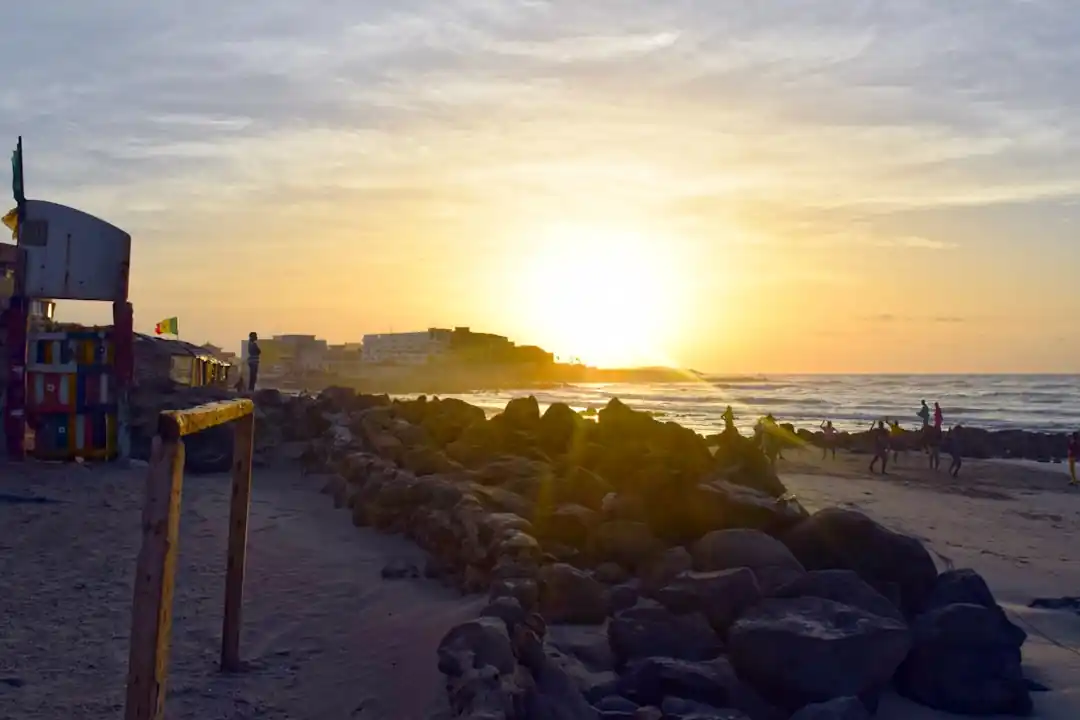
Thinking of Visiting Senegal? Here's the Visa Scoop for US Citizens
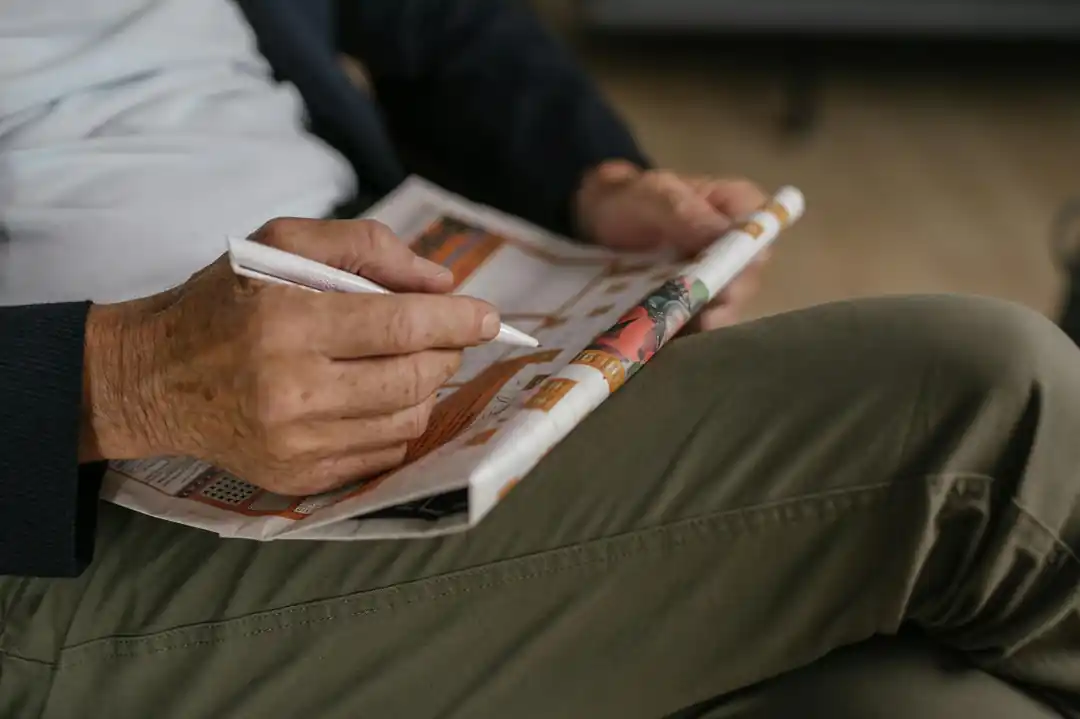
The Brain Workout You Didn't Know You Were Doing: How Puzzles Boost Your Logic
Related Posts
 TRANSPORT
Beyond the Highway: Finding Canada's Soul on a Western Rail Adventure
Forget road trips. I'm talking about rediscovering the romance of travel on Via Rail's most scenic routes through the heart of the Canadian West. It’s an experience that changes you.
 TRAVEL TIPS
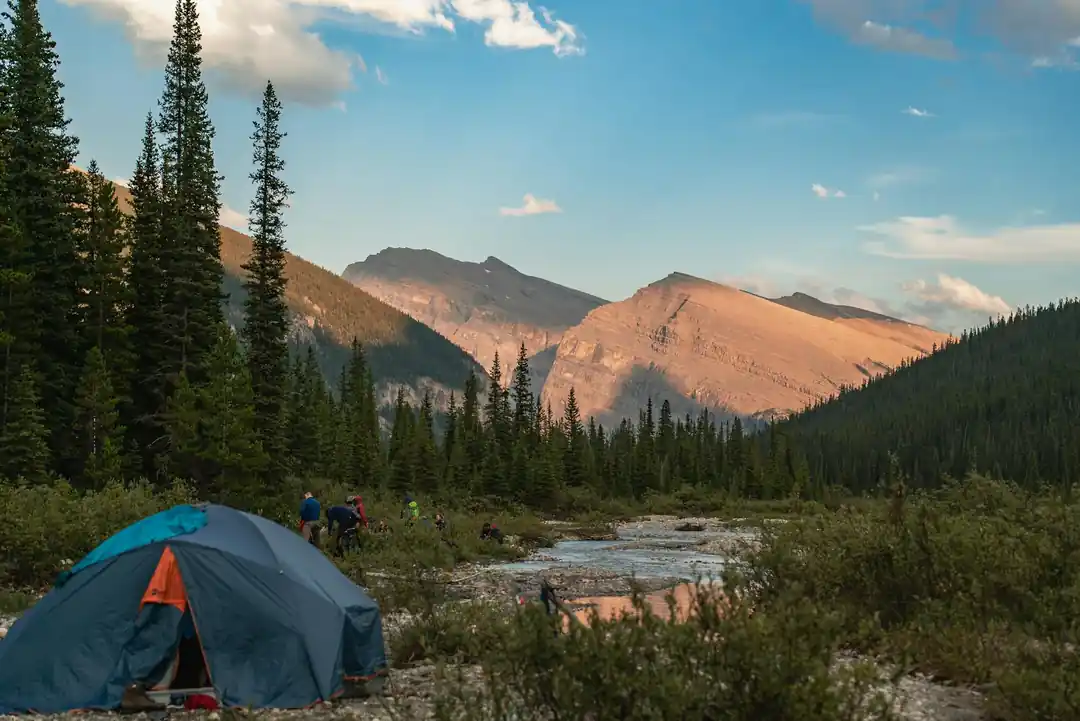
The Unwritten Rules of the North: What to Know Before Camping in Canada
Heading to the Great White North for a camping trip? It's an amazing idea. But from campfire etiquette to wildlife wisdom, here’s what you need to know before you go.
Popular Posts

Rethinking Non-Profit Promotion: Creative Strategies That Actually Drive Event Impact

Beyond Stark White: The Best Interior Paint Colors to Light Up Your New Space

How to Actually Master a New Language on Your Own (No Magic Gene Required)
