Forget the stuffy galleries and intimidating price tags. Starting a contemporary art collection is more about passion and a little know-how than it is about a massive budget. Let's break it down.
Let’s be honest for a second. The words “art collection” can sound incredibly intimidating, right? They conjure images of sleek, minimalist galleries with hushed tones, or sprawling mansions where every wall is adorned with a piece that costs more than a car. For years, I genuinely believed that world was completely inaccessible to me. I’d walk past gallery windows in the city, admiring the vibrant canvases and intriguing sculptures, but always with the lingering thought that it was a club I wasn’t invited to. The idea of owning a piece of that world felt like a distant, unattainable dream.
But here’s the secret I’ve learned over the past few years: that entire narrative is mostly a myth. You don’t need a bottomless bank account or a degree in art history to start building a collection of contemporary art that you love. What you really need is curiosity, a bit of patience, and the willingness to look in places you might not have considered before. It’s about shifting your mindset from “I can’t afford this” to “What can I discover within my means?”
The truth is, the art world is vast and wonderfully diverse. For every multi-million dollar masterpiece, there are thousands of brilliant, affordable works by emerging artists just waiting to be discovered. Starting a collection is a deeply personal journey, one that’s about connecting with creativity and bringing stories into your home. It’s about finding pieces that make you feel something, that start conversations, and that transform your space from just a place you live into a place that truly reflects who you are. And that journey, believe it or not, can absolutely start today, on your budget.
First Things First: Train Your Eye and Trust Your Gut
Before you even think about swiping a credit card, the most important investment you can make is in yourself. The first step to becoming a collector is simply to look at a lot of art. I mean, a lot. This is the fun part, where there’s no pressure to buy, only to discover what you’re genuinely drawn to. Forget what you think is “important” or what’s trending on Instagram for a moment. What styles, colors, and subjects make your heart beat a little faster? Is it bold, graphic abstraction? Moody, atmospheric photography? Intricate and detailed illustrations?
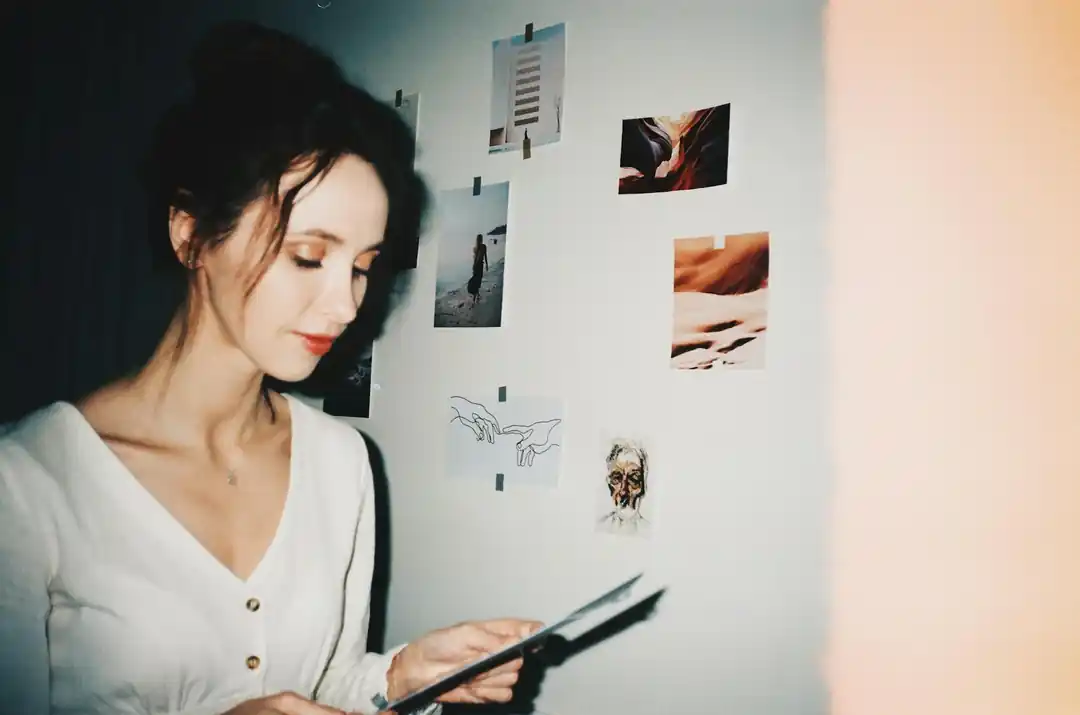
Make a habit of visiting local art spaces. Go to the free gallery openings in your neighborhood, visit student shows at nearby universities, and spend a Sunday afternoon wandering through your city’s art museum. Pay attention to what you consistently gravitate towards. Take photos of pieces you love (where permitted, of course). Follow artists and galleries on social media. The more you immerse yourself, the more you’ll start to recognize your own taste. This process isn't about becoming an expert overnight; it's about building a visual library in your mind so that when you do decide to buy, you’re making a choice that feels authentic to you.
This is also the time to get real about your budget. And please, don’t let that word scare you. A budget isn’t a limitation; it’s a tool that empowers you to search smartly. Maybe your budget is $100 for your first piece. Amazing! Maybe it’s $500. Also amazing! There is incredible art available at every price point. Knowing what you're comfortable spending narrows the field and makes the hunt feel less overwhelming and more like an exciting, achievable mission.
Where to Look: The Thrill of the Hunt
Okay, so you have a sense of your style and a budget in mind. Now, where do you actually find these affordable treasures? This is where the real adventure begins, and it often means looking beyond the traditional, high-end gallery scene. One of the best-kept secrets for new collectors is focusing on emerging artists. These are the creative minds at the beginning of their careers, full of fresh ideas and raw talent, whose work is still priced accessibly.
Art school thesis shows and open studio events are gold mines for discovering new talent. You get to see the culmination of years of work and often buy directly from the artist, which is a uniquely rewarding experience. You’re not just acquiring an object; you’re supporting someone’s dream right at the outset. Similarly, local art fairs and community craft markets can be fantastic places to find original work at a great price, without the gallery markup.
Don’t underestimate the power of the internet, either. The digital art market has exploded, and it’s a game-changer for budget-conscious collectors. Websites like Saatchi Art, Tappan Collective, and Society6 are specifically designed to connect buyers with emerging and independent artists from around the globe. You can filter by price, medium, and style, making it incredibly easy to find something you love within your budget. Instagram has also become a virtual gallery. Following artists directly or hashtags like #contemporaryart can lead you down a rabbit hole of incredible work, and many artists now sell smaller pieces or studies directly through their posts or stories.
Think Outside the Canvas: Prints, Photos, and Smaller Works
When you’re starting out, it’s easy to get fixated on the idea of owning a large, original painting. But expanding your definition of “art” can open up a world of possibilities. Limited edition prints are a fantastic entry point into the art world. These are high-quality reproductions that are signed and numbered by the artist, meaning there’s a finite number of them in existence. They offer the chance to own a piece by an artist you admire at a fraction of the cost of an original painting.
Photography is another medium that is often more affordable than painting and can have just as much impact. Whether it’s a striking landscape, a powerful portrait, or an abstract composition, a well-chosen photograph can completely anchor a room. Many photographers offer their work in various sizes and editions, giving you flexibility on price.
Finally, never underestimate the power of a small work. A small-scale painting, a detailed drawing, or even a preliminary sketch can be an intimate and beautiful addition to your collection. These pieces often provide a unique glimpse into the artist's process and can be grouped together to create a stunning gallery wall as your collection grows. It’s not about the size of the work, but the size of the impact it has on you and your space. Collecting is a marathon, not a sprint. Start with what you love, what you can afford, and let your collection tell your story, one beautiful piece at a time.
Give More, Owe Less: A Human's Guide to Charitable Giving and Tax Deductions
That Sudden Buzz: Decoding the Public Emergency Alerts That Keep Us Safe
Related Posts
 HOBBIES
The Beginner's Guide to Reading the Night Sky: How to Spot Your First Constellations
A friendly, grounded guide to navigating the night sky, understanding stellar movements, and spotting iconic constellations without expensive gear.
 PETS
PETSSniffle-Free Snuggles: America's Most-Loved Hypoallergenic Dogs
Dreaming of a furry friend but dreading the sneezes? You're not alone. Let's dive into the wonderful world of popular hypoallergenic dog breeds in the US.

Popular Posts

Rethinking Non-Profit Promotion: Creative Strategies That Actually Drive Event Impact

Beyond Stark White: The Best Interior Paint Colors to Light Up Your New Space

How to Actually Master a New Language on Your Own (No Magic Gene Required)
