Forget jewelry and silverware for a moment. The real story of silver's value is being written in factories and labs. Let's dive into how industrial demand is the true engine behind silver's price.
When you think of silver, what comes to mind? For most of us, it’s the gleam of a necklace, the weight of a family heirloom, or perhaps a stack of coins tucked away as an investment. For a long time, I viewed silver through this very lens—as gold’s less-expensive, but still precious, sibling. But the more I looked into what actually drives its value, the more I realized that this perspective misses the biggest part of the story. The real, modern narrative of silver isn't being written in jewelry stores; it's being forged in the heart of our most advanced industries.
Honestly, it’s a fascinating shift in perspective. While gold is primarily a monetary and investment asset, with the vast majority of it sitting in vaults or adorning our bodies, silver leads a double life. It's both a store of value and an irreplaceable industrial commodity. Over half of all silver consumed each year is used in industrial applications. This isn't just a fun fact; it's the fundamental driver that gives silver its unique market dynamics. Understanding this industrial thirst is key to understanding why silver’s price moves the way it does.
The Green Revolution's Silver Lining
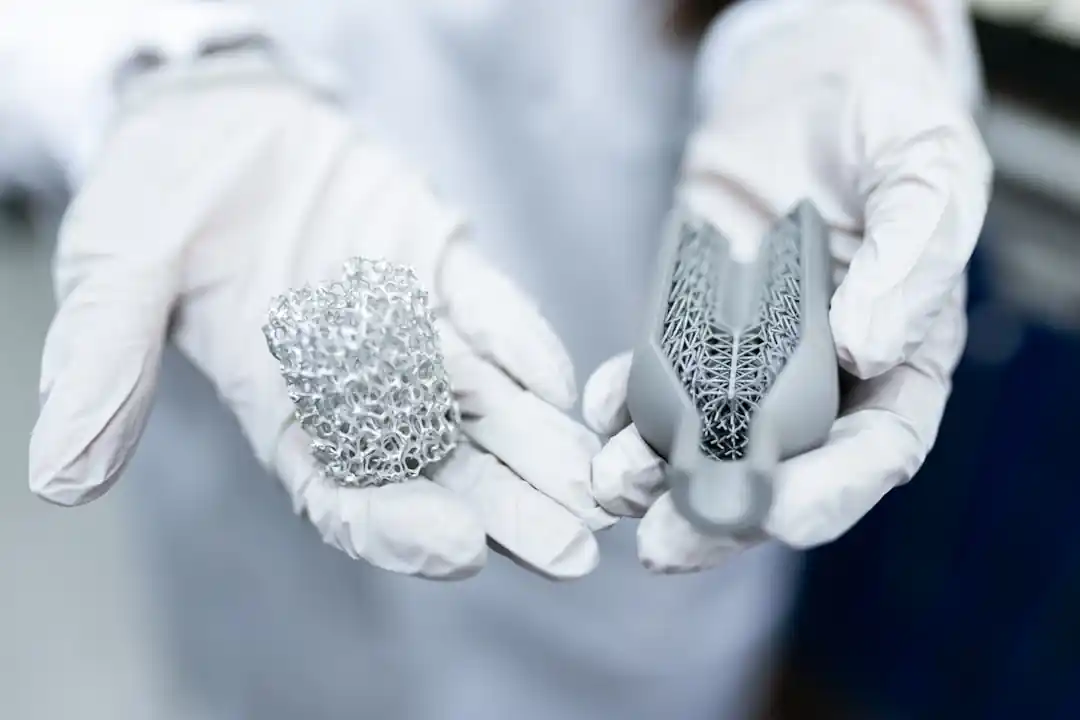
One of the most powerful forces behind silver's rising industrial demand is the global push for renewable energy. At the forefront of this is the solar industry. Every photovoltaic (PV) cell, the building block of a solar panel, uses a silver-based paste to conduct the electricity generated when sunlight hits the panel. Silver's unmatched electrical conductivity makes it the most efficient material for this job. As the world accelerates its transition away from fossil fuels, the demand for solar panels has exploded, and with it, the demand for silver.
The numbers are staggering. The Silver Institute reports that demand from the PV sector has been growing at a remarkable pace, becoming a cornerstone of overall silver consumption. What’s even more compelling is that as solar technology advances, the demand for silver isn't necessarily decreasing. In fact, some of the newer, more efficient solar cell designs, like TOPCon and HJT, actually require more silver per unit than their older counterparts. This trend suggests that even as we innovate, silver's role in capturing the sun's energy is becoming more, not less, critical.
This insatiable demand from the solar industry creates a strong, consistent pull on the global silver supply. It’s a structural demand that isn’t likely to fade; if anything, with climate goals becoming more ambitious, it's set to intensify. This makes silver's price increasingly sensitive to the health and growth of the green energy sector, a factor that simply wasn't as significant a decade ago.
The Engine of Modern Technology
Beyond green energy, silver is a silent but essential component in nearly every piece of modern electronics. Its superior conductivity is vital for everything from the smartphone in your pocket and the laptop on your desk to the complex circuitry in your car. Every switch, every circuit board, and every semiconductor relies on silver to function efficiently and reliably. As our world becomes more connected, with the rollout of 5G networks, the expansion of the Internet of Things (IoT), and the rise of artificial intelligence, the need for these components is growing exponentially.
Think about the automotive industry. A traditional internal combustion engine vehicle contains a small amount of silver. An electric vehicle (EV), however, can contain two to three times as much. This is due to the sheer amount of electronics in an EV, from the battery management system to the advanced driver-assistance systems (ADAS) and infotainment consoles. As the global fleet transitions to electric, the automotive sector is becoming a much larger consumer of silver, adding another layer of robust demand.
This widespread and critical use means that for many applications, there are no viable substitutes for silver. Manufacturers could use copper, which is cheaper, but it comes at the cost of performance and efficiency. For high-end electronics and critical applications, that trade-off is often unacceptable. This "price inelasticity" means that even if the price of silver rises, industrial consumers will likely continue to buy it because they simply have no other choice.
The Supply Side of the Equation
This brings us to the other side of the classic economic pairing: supply. While demand for silver is being supercharged by technological progress, the supply side is facing significant constraints. This is perhaps the most crucial part of the puzzle. A huge portion of the world's silver—around 70%—is not mined from primary silver mines. Instead, it's a by-product of mining for other metals, primarily lead, zinc, copper, and gold.
This has massive implications. It means that the supply of silver cannot easily be ramped up just because silver prices are high. If the prices for lead or zinc are low, mining for those metals might slow down, and as a result, less silver will be produced, regardless of the demand for it. This inherent inelasticity of supply is a major factor that contributes to market tightness. For several years now, the world has been in a structural silver deficit, meaning we are consuming more silver than we are mining and recycling.
Furthermore, discovering and developing new primary silver mines is a long and expensive process. It can take a decade or more to bring a new mine online. Compounding this are declining ore grades at existing mines, meaning more rock has to be processed to extract the same amount of silver, which increases costs. When you combine soaring, inelastic industrial demand with a constrained and inflexible supply, you have a classic recipe for upward price pressure over the long term.
It’s a powerful reminder that silver's value is increasingly being determined not just by investors, but by the engineers and innovators who are building our future. The next time you see the price of silver tick up, it might not be because of market speculation, but because a new solar farm is being built, or because the demand for electric vehicles is stronger than ever. The unseen engine of industry is hard at work, and it runs on silver.
Decoding Silver: A Beginner's Guide to Market Analysis Reports
Is Silver the Unsung Hero of Your Retirement Portfolio?
Related Posts
 BUSINESS
Rethinking Non-Profit Promotion: Creative Strategies That Actually Drive Event Impact
Discover modern, research-backed strategies for promoting non-profit fundraisers, from experiential marketing to hyper-local micro-influencers and cross-sector partnerships.
 BUSINESS
Is the TV Ad Dead? A Deep Dive into Cost and Effectiveness in 2024
In an age of streaming and scrolling, is a TV commercial still a smart bet for brands? We're breaking down the real costs and surprising effectiveness of television advertising today.

Popular Posts
Rethinking Non-Profit Promotion: Creative Strategies That Actually Drive Event Impact

Beyond Stark White: The Best Interior Paint Colors to Light Up Your New Space

How to Actually Master a New Language on Your Own (No Magic Gene Required)
