Thinking of seeing Bangladesh by rail? It's an incredible experience, but booking a ticket isn't quite like Amtrak. Here's what you need to know.
Let’s be honest, there’s a certain romance to train travel that you just don’t get from flying. It’s the gentle, rhythmic sway of the carriage, the chance to watch a country unfold right outside your window, and the unhurried pace that feels like a throwback to a more thoughtful era of travel. In a place as vibrant and visually stunning as Bangladesh, swapping a cramped bus seat for a train journey isn't just an upgrade in comfort; it's choosing to be part of the scenery, not just a spectator passing through it.
I’ve always found that the journey itself can be as memorable as the destination. Imagine gliding past endless stretches of emerald green rice paddies, waving to kids playing in the villages, and sharing a smile with the chai-wala at a station stop. It’s a far cry from the sterile environment of an airport or the chaotic symphony of a highway. But, as with any authentic travel experience, there’s a bit of a learning curve. Booking a train ticket in Bangladesh isn't as simple as pulling up an app and flashing a QR code, especially for a foreigner.
The Great Divide: Online vs. In-Person Booking
For Americans used to booking everything from flights to hotels with a few taps on a screen, the Bangladesh Railway system can feel a little… analog. The official website, eticket.railway.gov.bd, and the "Rail Sheba" app are the primary digital gateways. They represent a huge leap forward in convenience for locals. However, for international travelers, there's a significant hurdle right at the starting line.
The registration process requires a Bangladeshi phone number and, more importantly, a National ID (NID) number. As a tourist, you won't have an NID, and the system isn't set up to accept foreign passport numbers. I’ve read countless travel forum posts from frustrated travelers who hit this exact wall. It’s not a bug; it’s just a system designed with local citizens in mind. So, while you can browse schedules, trying to book from your couch in the US before you fly out is, for now, mostly a non-starter.
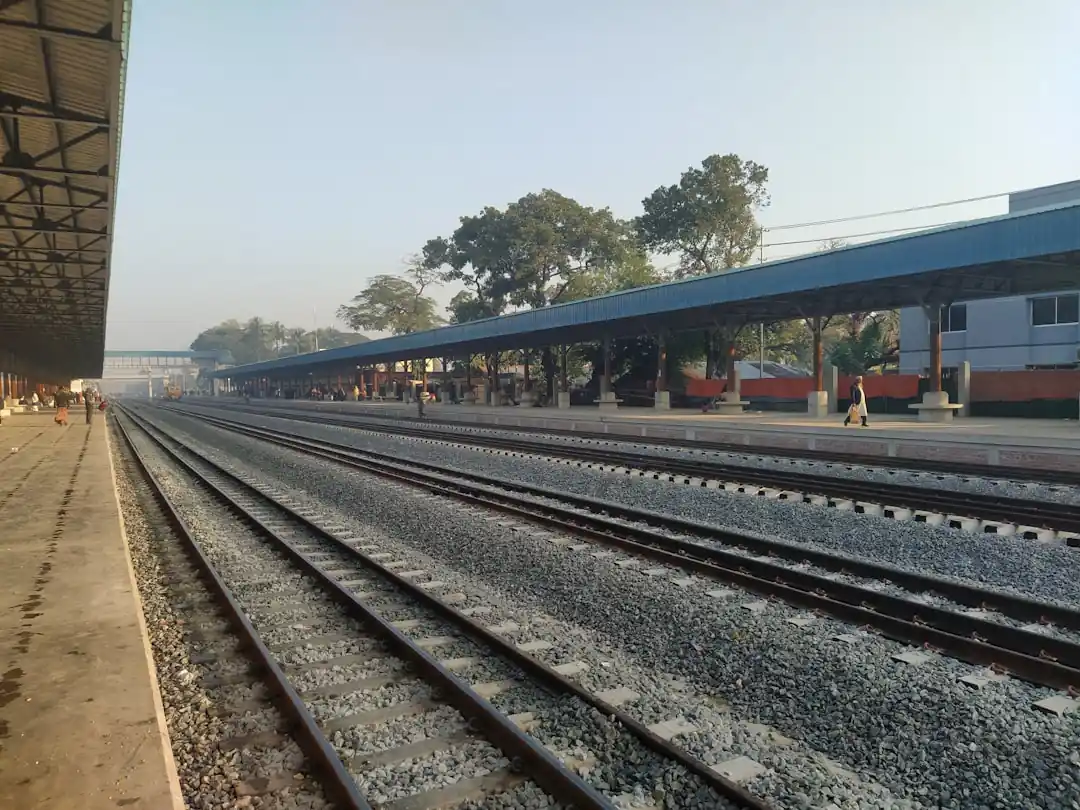
This leaves you with the classic, old-school method: buying your ticket in person at the railway station. Honestly, this is part of the adventure. Major stations, like Kamalapur in Dhaka, are a spectacle of organized chaos and a fantastic place for people-watching. My advice? Go a few days before you intend to travel, especially for popular routes. Queues can be long, and the best seats sell out fast. Think of it as your first real immersion into the local way of life.
Decoding the Classes: From AC Berths to Shovon Chairs
Once you’re at the ticket counter, you’ll need to know what kind of seat you’re asking for. Bangladesh Railway offers a variety of classes that cater to different budgets and comfort levels, and the names can be a bit confusing at first.
At the top of the line is AC Berth (or AC-B). This is your best bet for overnight journeys, offering a private, air-conditioned cabin with bunks that convert into beds. It’s the most comfortable and secure way to travel long distances. A step down from that is Snigdha, which offers plush, reclining, air-conditioned seats, similar to what you might find in business class on a European train. It’s perfect for daytime travel.
For the more budget-conscious, there's Shovon Chair, which is the standard reserved seating in a non-AC carriage. The seats are reasonably comfortable for shorter trips, and the open windows provide a constant breeze and an unfiltered connection to the sights and sounds outside. Below that, you have Shulov, which is the most basic, unreserved class. It can get extremely crowded, and I’d generally only recommend it for very short hops, if at all. For most journeys, splurging a few extra dollars for a Shovon Chair or Snigdha seat is well worth it.
Pro Tips for a Seamless Journey
Navigating a new country’s transport system is always a mix of planning and spontaneity. To make your train travel in Bangladesh lean more towards the seamless side, here are a few things to keep in mind. First, popular routes like Dhaka to Chittagong or Dhaka to the tea gardens of Srimangal get booked up quickly. Always have a backup travel date in mind, just in case.
When you're at the station, don't be shy about asking for help. While English isn't universally spoken, you'll often find students or younger professionals in line who are happy to help a foreigner navigate the process. It also helps to have your destination, desired class, and date written down in English to show the ticket agent. And always, always count your change.
Finally, embrace the journey. Trains in Bangladesh are rarely on time, but the delays are part of the experience. It’s an opportunity to strike up a conversation with your seatmates, sample snacks from vendors who hop on at various stops, or simply get lost in the stunning, ever-changing scenery. It’s a mode of travel that forces you to slow down and be present, and in today’s fast-paced world, that’s a gift.

The Athlete's Codex: How to Build a Routine for Peak Performance
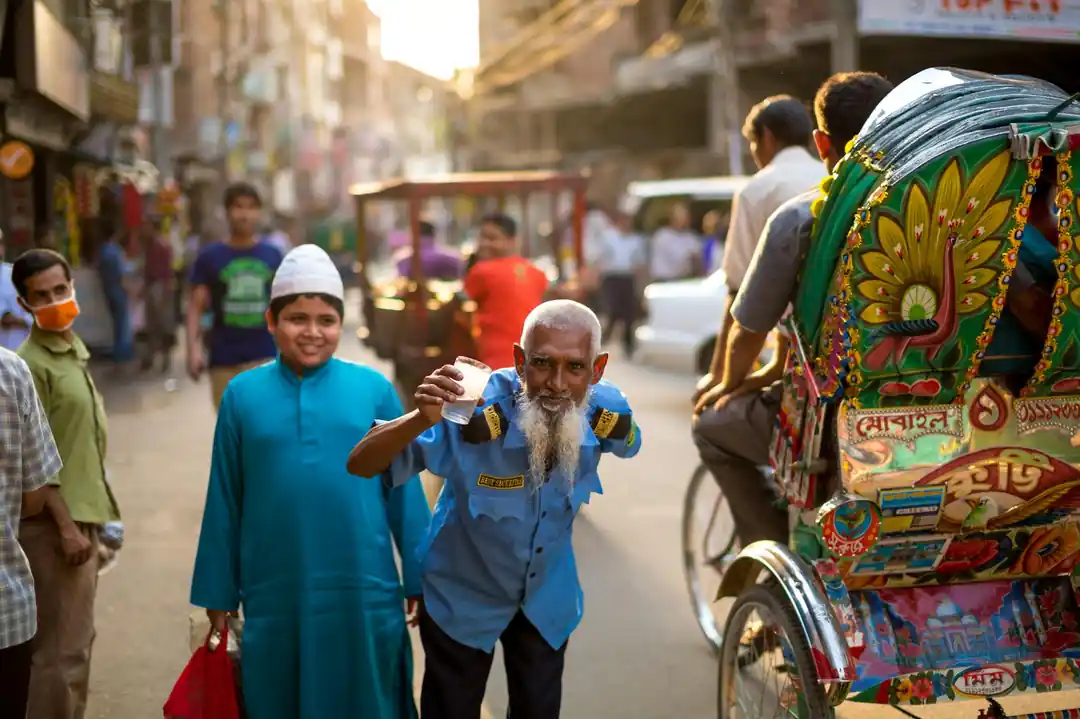
Rickshaws, Ride-Sharing, and Real Adventure: A US Traveler's Guide to Navigating Bangladesh's Cities
Related Posts
 TRANSPORT
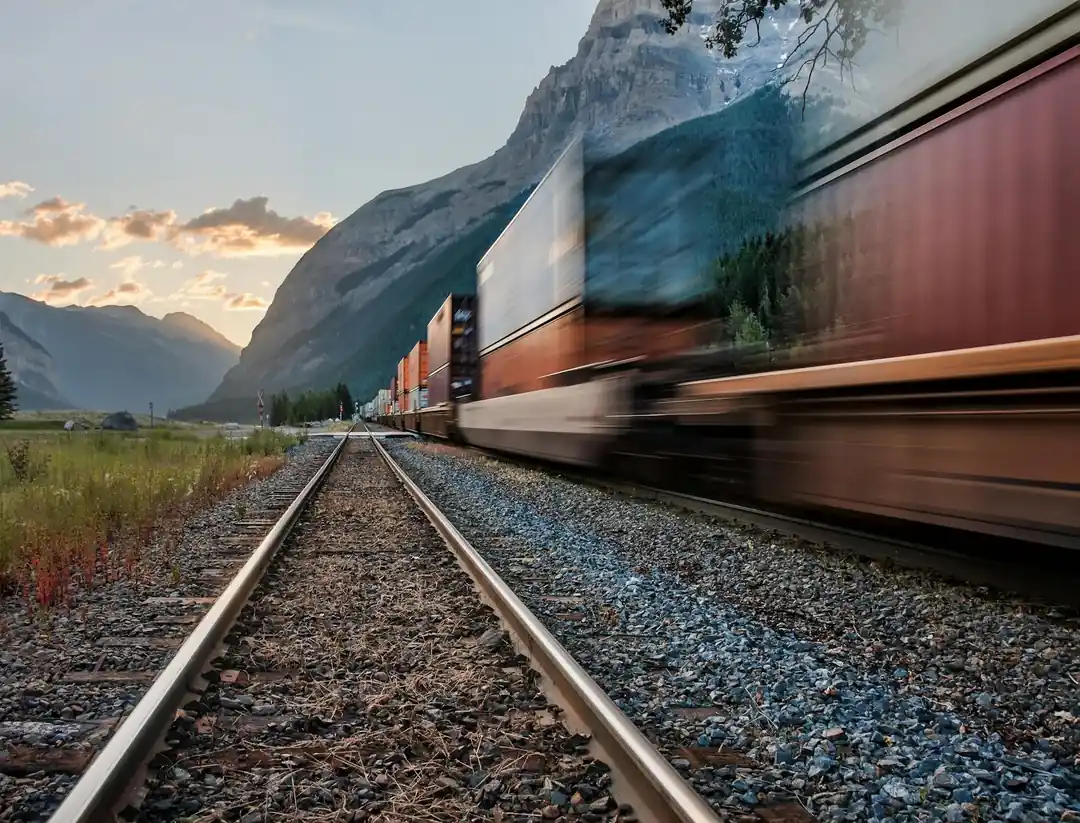
Beyond the Highway: Finding Canada's Soul on a Western Rail Adventure
Forget road trips. I'm talking about rediscovering the romance of travel on Via Rail's most scenic routes through the heart of the Canadian West. It’s an experience that changes you.
 TRAVEL TIPS
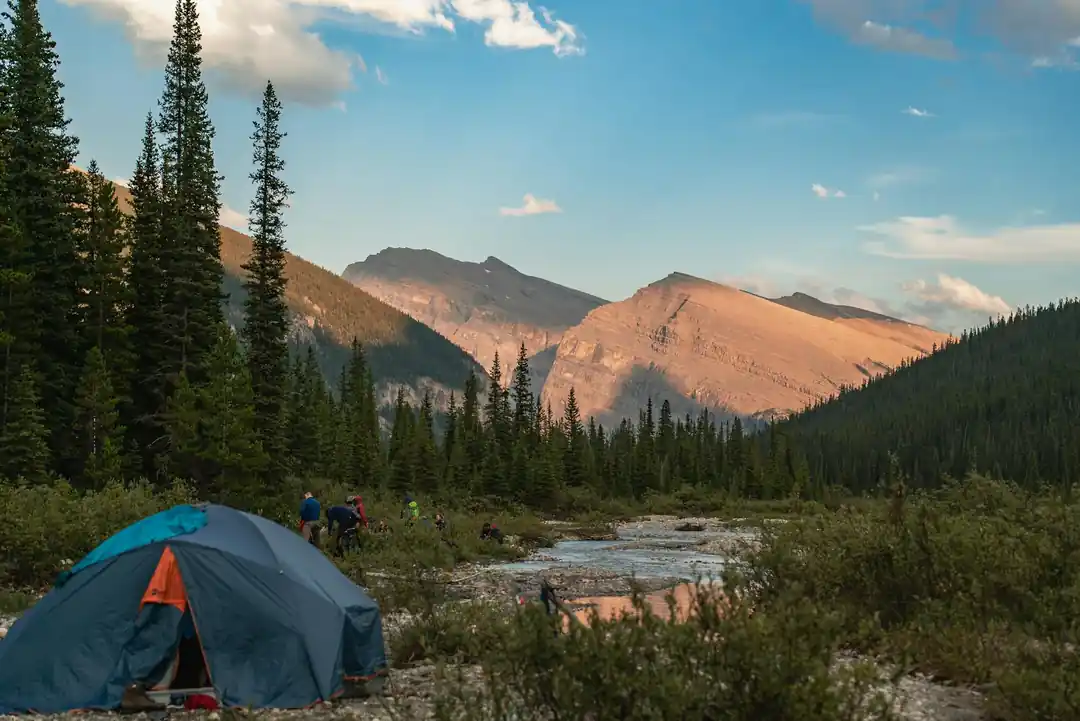
The Unwritten Rules of the North: What to Know Before Camping in Canada
Heading to the Great White North for a camping trip? It's an amazing idea. But from campfire etiquette to wildlife wisdom, here’s what you need to know before you go.

Popular Posts

Rethinking Non-Profit Promotion: Creative Strategies That Actually Drive Event Impact

Beyond Stark White: The Best Interior Paint Colors to Light Up Your New Space

How to Actually Master a New Language on Your Own (No Magic Gene Required)
