When disaster strikes, our furry family members depend on us. Let's talk about building a pet emergency kit that goes beyond the basics, ensuring they're safe and sound no matter what comes our way.
Life has a funny way of throwing curveballs, doesn't it? One minute you're enjoying a quiet evening with your beloved pet curled up beside you, and the next, you might be facing an unexpected emergency. Whether it's a sudden power outage, a severe weather event, or even a mandatory evacuation, these situations can be incredibly stressful, especially when you're worried about your four-legged family members. I used to think a bag of kibble and a leash were enough, but honestly, after diving into resources from places like FEMA and the American Veterinary Medical Association (AVMA), I realized how much more goes into truly preparing for our pets.
It’s not just about having stuff; it’s about having a plan and the right tools to keep them safe, comfortable, and identifiable if you ever get separated. The thought of being apart from my pet during a crisis is enough to send shivers down my spine, which is why creating a comprehensive pet emergency kit isn't just a recommendation—it's a heartfelt necessity. Let's walk through what really needs to go into that "go-bag" so you can face anything with confidence, knowing your best friend is as prepared as you are.
The Essentials: Food, Water, and Comfort
When you're packing for an emergency, the first things that come to mind are usually food and water, and rightly so. For our pets, this means having at least a three-to-seven-day supply of their regular food, stored in airtight, waterproof containers. Some experts, like those at The Humane Society, even suggest preparing for up to two weeks, which makes a lot of sense for prolonged disruptions. Don't forget a manual can opener if you use wet food, and collapsible bowls are a lifesaver for saving space.
Water is equally critical, if not more so. The general guideline is to have enough water for each pet for at least three days. This isn't just for drinking; it's for sanitation too. Imagine trying to keep your pet hydrated and clean without a reliable water source – it's a challenge you don't want to face in an emergency. Beyond the basics, think about comfort items. A familiar blanket or a favorite toy can make a world of difference in reducing stress for your pet during an already frightening time.
I remember a friend telling me about a time they had to evacuate quickly, and the only thing that kept their anxious dog calm in the shelter was his worn-out squeaky ball. It sounds simple, but those small touches of normalcy can provide immense psychological comfort for our pets when their world is turned upside down. So, while you're packing the practical, don't forget the sentimental.
Identification and Documentation: Your Pet's Paper Trail to Safety
This might be the most overlooked, yet arguably the most crucial, part of any pet emergency kit: their paperwork and proper identification. In the chaos of an emergency, pets can easily get separated from their owners. Having up-to-date identification is their ticket home. This means ensuring your pet wears a collar with current ID tags that include your name, address, and cell phone number. It's also incredibly helpful to include an out-of-town contact number, just in case you can't be reached.
Beyond the collar, microchipping is a non-negotiable. It's a permanent form of identification that can reunite you with your pet even if their collar is lost. Make sure your microchip registration is current with your contact information. In your emergency kit, you should have a waterproof binder or folder containing copies of your pet's vaccination records, medical history, microchip number, and any registration papers. Don't forget a current photo of your pet, and even better, a photo of you with your pet. This can be invaluable for proving ownership if you need to reclaim them from a shelter.
Think about any unique quirks, dietary restrictions, or known allergies your pet has, and jot those down too. This information is vital for anyone who might end up caring for your pet, whether it's a shelter worker or a kind stranger. Having all this information readily accessible can significantly reduce stress and increase the chances of a happy reunion.
Health and Hygiene: Keeping Them Safe and Clean
A well-stocked pet first-aid kit is just as important as one for humans. Accidents and injuries can happen anywhere, anytime, and during an emergency, veterinary care might not be immediately available. Your pet's first-aid kit should include essentials like antibiotic ointment, bandage tape, scissors, cotton bandage rolls, isopropyl alcohol, latex gloves, and a saline solution for flushing wounds. Pet-safe antiseptic wipes are also incredibly handy for quick cleanups.
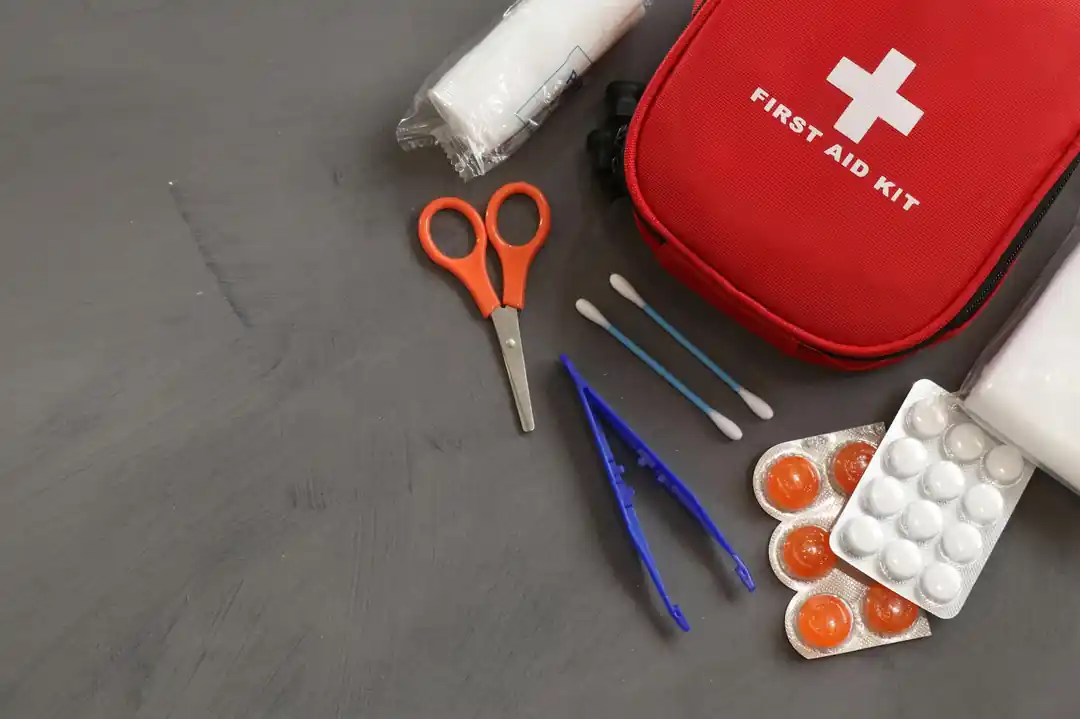
Beyond immediate medical needs, consider their daily hygiene. For cats, this means a litter pan, litter, and a scoop. A shirt box lined with plastic can serve as a temporary litter pan if space is tight. For dogs, include house training pads, poop bags, and paper towels. Trash bags are essential for waste disposal. Keeping your pet clean and comfortable can prevent secondary issues and maintain their well-being during a stressful period.
Finally, don't forget any prescription medications your pet takes regularly. Pack at least a two-week supply, along with a copy of the prescription and your vet's contact information. It's also a good idea to include a muzzle for dogs, not because your dog is aggressive, but because even the calmest pet can become anxious and potentially nip when stressed or injured. Having thick gloves for handling can also protect you.
The Evacuation Plan: Knowing Where to Go
Having a kit is only half the battle; you also need a solid evacuation plan that includes your pets. Many emergency shelters only allow service animals, so it's crucial to research pet-friendly accommodations before disaster strikes. This could mean identifying hotels along your evacuation route that accept pets, or having a list of friends, relatives, or boarding facilities outside your immediate area who could care for your animals.
Practice makes perfect, even for pets. If your pet isn't used to their carrier, start getting them comfortable with it now. Short car rides and positive reinforcement can help them associate the carrier with safety, not just vet visits. This can make a huge difference in how calmly they travel during an actual emergency. Also, ensure your pet's vaccinations are up to date, as many boarding facilities or temporary shelters will require proof.
Remember, if it's not safe for you, it's not safe for your pets. Never leave them behind, assuming they'll be safer at home. The single most important thing you can do is take them with you. By thinking ahead and preparing a comprehensive kit and plan, you're not just packing supplies; you're packing peace of mind for both you and your cherished companion.

Beyond the Suburbs: Finding Your Green Escape in San Ramon
The Unspoken Plan: How to Keep Your Pets Safe When the Ground Shakes

Related Posts
 HOBBIES
The Beginner's Guide to Reading the Night Sky: How to Spot Your First Constellations
A friendly, grounded guide to navigating the night sky, understanding stellar movements, and spotting iconic constellations without expensive gear.
 PETS
PETSSniffle-Free Snuggles: America's Most-Loved Hypoallergenic Dogs
Dreaming of a furry friend but dreading the sneezes? You're not alone. Let's dive into the wonderful world of popular hypoallergenic dog breeds in the US.

Popular Posts

Rethinking Non-Profit Promotion: Creative Strategies That Actually Drive Event Impact

Beyond Stark White: The Best Interior Paint Colors to Light Up Your New Space

How to Actually Master a New Language on Your Own (No Magic Gene Required)
