Dreaming of New Zealand but don't want to drive? I skipped the rental car and discovered a different side of Aotearoa. Here's the real story of navigating NZ on public transport.
Let’s be honest. When you picture a trip to New Zealand, you probably imagine a campervan parked by a turquoise lake or a car winding its way through epic, mountainous roads. The classic Kiwi road trip is a powerful image, and for good reason. The freedom to pull over at every scenic lookout is a huge part of the allure. But what if driving on the left side of the road, navigating unfamiliar routes, or simply the cost of a rental car just isn't your thing?
I found myself asking this exact question. I’d been dreaming of Aotearoa’s landscapes for years, but the logistics of a solo road trip felt daunting. So, I took a leap of faith and decided to explore both the North and South Islands entirely without a car. I was half-expecting a logistical nightmare. What I found was a surprisingly doable—and deeply rewarding—way to travel that forced me to slow down, connect with the country on a different level, and see things I might have otherwise missed.
It’s not always as simple as just showing up and hopping on the next bus, but with a bit of planning, a car-free New Zealand adventure is not only possible, it’s fantastic.
The National Bus Network: Your Trusty Workhorse
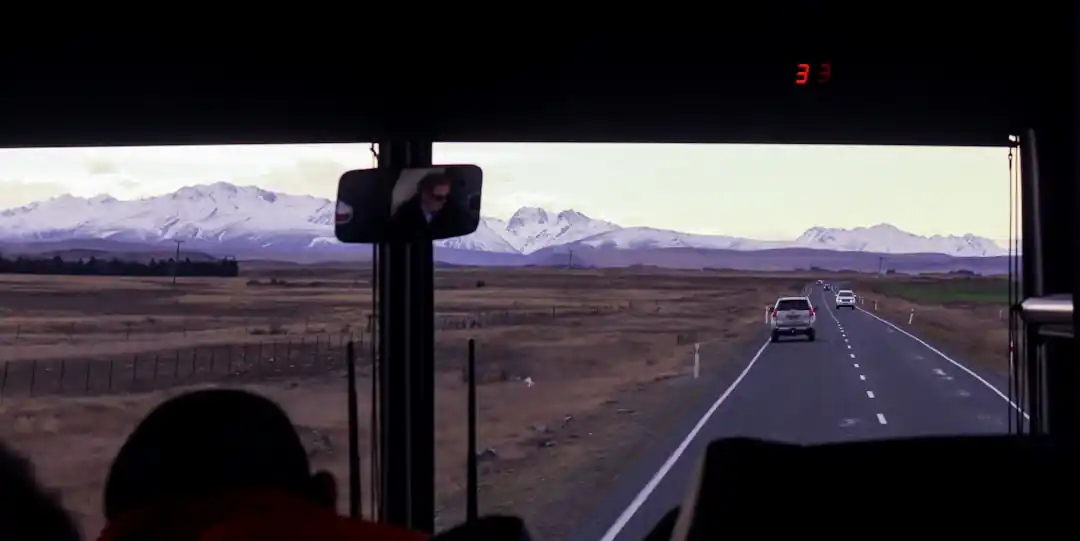
The absolute backbone of car-free travel in New Zealand is the long-distance bus (or "coach") system. The main player here is InterCity, and their network is impressively extensive. They connect all major cities and a surprising number of smaller towns and key tourist spots, from the Bay of Islands in the north to the deep south of Invercargill. I basically lived on these buses for parts of my trip, and found them to be reliable, comfortable, and a fantastic way to watch the stunning scenery unfold without the stress of driving.
One of the best things I did was purchase an InterCity FlexiPass. Instead of buying individual tickets, you buy a block of travel hours. You then use these hours to book your journeys, and it almost always works out to be significantly cheaper. It gives you the flexibility to change your plans without losing money, which is a huge plus when you’re traveling for a longer period. Just a word to the wise: book your specific legs in advance, especially on popular routes like the one to Milford Sound or during the busy summer months, as they can and do sell out.
Beyond the main national carrier, you'll also see hop-on-hop-off buses geared specifically toward backpackers and younger travelers, like Stray and Kiwi Experience. These are less about pure transport and more about a curated social experience, often bundling travel, accommodation, and activities together. While I opted for a more independent style of travel, I met tons of people who loved the built-in community and party atmosphere these buses provided. It’s a different vibe, but a hugely popular and effective way to see the country's highlights without a car.
Scenic Trains: A Journey, Not Just a Destination
While the bus network is practical, New Zealand's train journeys are pure magic. The network isn't designed for comprehensive country-wide travel; instead, it consists of a few select routes that are world-famous for their breathtaking scenery. These aren't commuter trains; they are experiences in and of themselves, and they are worth every penny.
The most famous of these is the TranzAlpine, which crosses the South Island from Christchurch to Greymouth. I can’t overstate how incredible this journey is. It cuts through the heart of the Southern Alps, alongside the impossibly blue Waimakariri River, and features an open-air viewing carriage where you can feel the crisp mountain air and get uninterrupted photos. It’s consistently ranked as one of the top train trips in the world, and it’s easy to see why.
On the North Island, the Northern Explorer connects Wellington and Auckland, taking you through the volcanic heart of the country, with views of Mount Ruapehu and the rolling hills of the Waikato. Then there's the Coastal Pacific (which has seasonal operations), running from the ferry port of Picton down to Christchurch, hugging a coastline teeming with seals and dramatic ocean views. Choosing to take the train is choosing to make the travel day a core part of your itinerary, and it’s a choice you won’t regret.
Flights and Ferries: Bridging the Gaps
New Zealand is bigger than it looks, and sometimes you just need to cover a large distance quickly. This is where domestic flights come in. Flying between the North and South Islands, for example from Auckland to Queenstown, can save you a full day or more of travel. Air New Zealand and the budget airline Jetstar are the main operators, and if you book in advance, you can often find surprisingly affordable fares. I used a flight to hop from Rotorua down to Queenstown, and it was a seamless and efficient way to maximize my time in the adventure capital.
The other essential non-road transport is the ferry between the North and South Islands. The journey across the Cook Strait, from Wellington to Picton, is an iconic Kiwi experience. Both the Interislander and Bluebridge ferries operate this route, and it’s more like a mini-cruise than a simple transport link. The final hour, sailing through the serene and intricate waterways of the Marlborough Sounds, is absolutely stunning and a highlight in itself.
Once you’re in the cities, getting around is generally a breeze. Auckland, Wellington, and Christchurch have solid local bus systems. Wellington is wonderfully compact and walkable, and Auckland’s ferry system is perfect for exploring the islands of the Hauraki Gulf. Don't underestimate the power of your own two feet; you see so much more of a city's character by walking it.
What Are the Downsides?
Of course, no car means some compromises. The biggest drawback is the lack of total freedom. You can’t just pull over on a whim to capture that perfect photo, and you’re tied to the timetables of buses and trains. Accessing more remote trailheads, obscure beaches, or anything significantly "off the beaten path" can be challenging, if not impossible, with public transport alone.
I found that I had to be more strategic with my planning. My route was dictated by the main transport corridors, and I sometimes had to book day tours from a central hub (like Queenstown or Te Anau) to reach places like Milford Sound, which would have been a simple drive. It requires a shift in mindset—from one of total spontaneity to one of planned adventures.
Ultimately, traveling New Zealand without a car is a trade-off. You trade some convenience and freedom for a more relaxed, often more affordable, and arguably more immersive journey. You’ll spend more time watching the landscape pass by and less time watching the road. You’ll meet more people on buses and in train carriages. It’s a different way to travel, but it’s a way that proves the journey truly is as important as the destination.

A Visitor's Guide to the Galaxy: Inside the Kennedy Space Center Exhibits
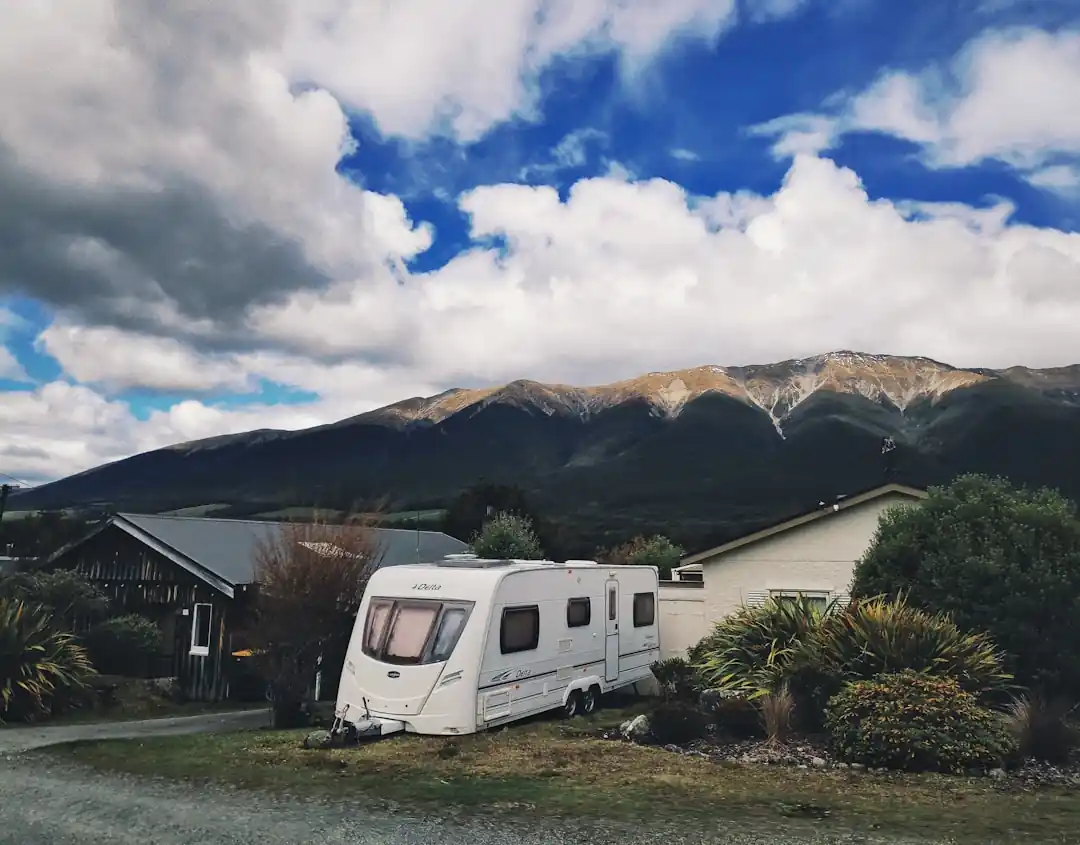
The Ultimate Guide to Renting a Campervan for Your New Zealand South Island Road Trip
Related Posts
 TRANSPORT
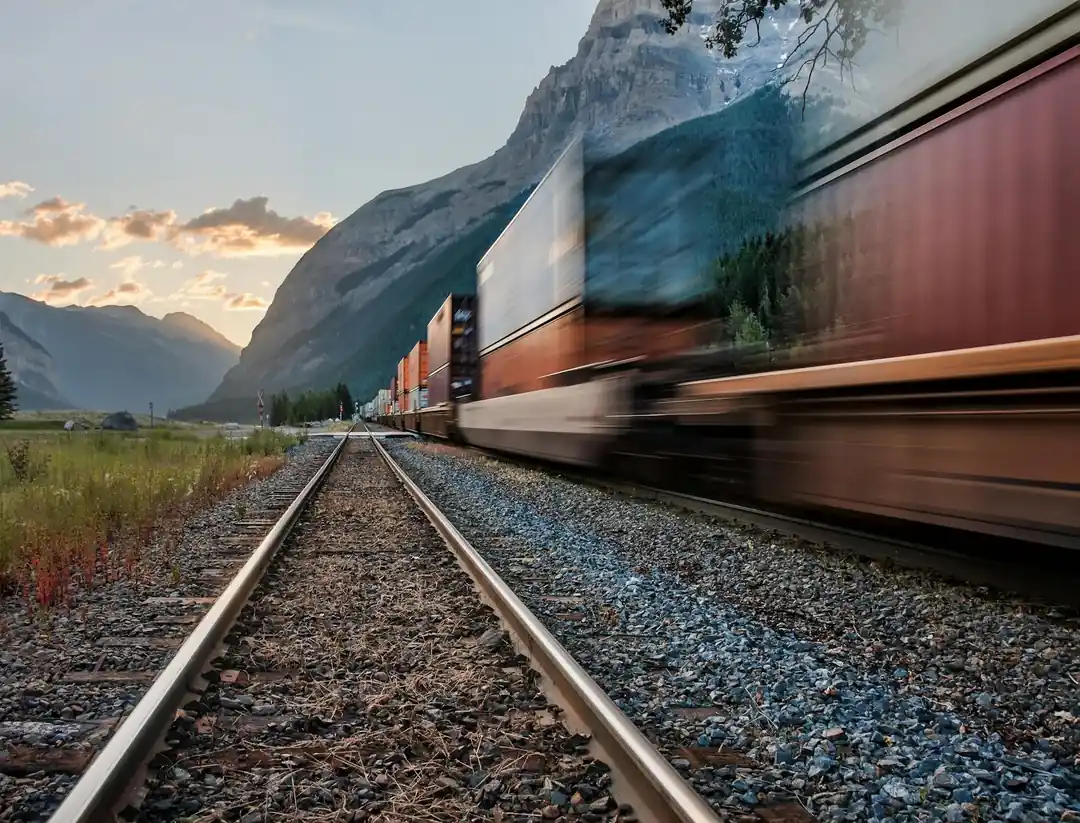
Beyond the Highway: Finding Canada's Soul on a Western Rail Adventure
Forget road trips. I'm talking about rediscovering the romance of travel on Via Rail's most scenic routes through the heart of the Canadian West. It’s an experience that changes you.
 TRAVEL TIPS
The Unwritten Rules of the North: What to Know Before Camping in Canada
Heading to the Great White North for a camping trip? It's an amazing idea. But from campfire etiquette to wildlife wisdom, here’s what you need to know before you go.

Popular Posts

Rethinking Non-Profit Promotion: Creative Strategies That Actually Drive Event Impact

Beyond Stark White: The Best Interior Paint Colors to Light Up Your New Space

How to Actually Master a New Language on Your Own (No Magic Gene Required)
