Buying a new car feels like a high-stakes game, but it doesn't have to be. With the right prep, you can drive off the lot with a deal that makes you genuinely smile.
There’s a unique cocktail of excitement and anxiety that comes with buying a new car. On one hand, you have the thrilling prospect of that new-car smell, the smooth ride, and the latest tech at your fingertips. On the other, there's the dreaded negotiation. It can feel like stepping into an arena where you're automatically at a disadvantage, a high-stakes conversation where one wrong move could cost you thousands. I've been there, and honestly, my first time was a bit of a disaster. I was so focused on the car that I forgot to prepare for the purchase.
The truth is, most of us aren't professional negotiators, but the person sitting across the desk from you does this every single day. That information gap is where dealerships traditionally make their money. But it doesn’t have to be that way. The power dynamic has shifted significantly over the years. With a universe of information available online, you can walk into that dealership armed with more knowledge than any car buyer could have dreamed of a generation ago.
This isn't about learning slick tricks or becoming a confrontational haggler. It's about preparation, confidence, and strategy. It’s about transforming the process from a stressful ordeal into an empowered business transaction where you are in control. Getting a good deal isn't about "winning" or "beating" the salesperson; it's about paying a fair price that you feel great about. So, let's walk through the steps to make that happen.
Before You Even See the Car: The Power of Preparation
The most crucial part of your negotiation happens before you even talk to a salesperson. This is the homework phase, and it's non-negotiable if you want to save serious money. Winging it is the fastest way to overpay. Your goal is to become an expert on the specific car you want to buy.
First, you need to know the numbers—and I don't just mean the sticker price (MSRP). The MSRP is a starting point, a suggestion. The two most important figures for you are the invoice price (what the dealership paid the manufacturer for the car) and the True Market Value or TMV (what other people in your area are actually paying for that exact car). Websites like Edmunds and Kelley Blue Book are invaluable resources for this. They give you a realistic price range and show you what a "good" or "great" deal looks like. This data is your anchor; it keeps you grounded in reality when the negotiation starts.
The second piece of prep is financing. This is a huge one. Never, ever walk into a dealership without having your financing sorted out. Go to your own bank or a local credit union and get pre-approved for a car loan. This does two critical things: it tells you exactly what you can afford, and it gives you a benchmark interest rate. When you have a pre-approval in your pocket, you're no longer a captive audience for the dealership's finance department. You can confidently say, "I'm already approved for 5.5% over at my credit union. Can you beat that?" This simple step turns you from a price-taker into a powerful cash buyer in their eyes.
Walking Into the Arena: The Dealership Dance
With your research done and financing secured, you're ready to visit the dealership. Remember, your goal here is singular: to negotiate the price of the car and nothing else. Salespeople are masters at bundling things together—the new car price, your trade-in value, the monthly payment—to confuse the real cost. Your job is to keep them separate.
When you start talking numbers, negotiate the "out-the-door" price. This is the total cost including all taxes and fees. Don't get drawn into a conversation about monthly payments. A common tactic is to ask, "What kind of monthly payment are you looking for?" They can hit almost any monthly payment target by stretching the loan term out to 72 or even 84 months, which means you pay way more in interest. Stick to your script: "I'm not focused on the monthly payment right now. I want to agree on the total price of the vehicle first." Use your research to make a fair, initial offer. Start below the market value, but not so low that they don't take you seriously. For example, if the market value is $32,000 and the invoice is $30,500, you might start your offer around $31,000.
If you have a trade-in, don't mention it until you have a firm, written offer on the new car. Treat it as a completely separate transaction. Why? Because dealerships can easily manipulate the numbers by showing you a great price on the new car while lowballing your trade-in (or vice-versa). Get the new car price locked in, and then say, "Okay, I also have a vehicle I'm looking to trade. What can you offer me for it?" You should already know its approximate value from your own research, giving you another solid data point. And always, always be prepared to walk away. If the numbers aren't working or you feel pressured, just politely thank them for their time and leave. The fear of losing a sale is your greatest leverage.

The Final Boss: Navigating the F&I Office
You've agreed on a price. You've settled on your trade-in. You feel great. But you're not done yet. Now you have to face the Finance and Insurance (F&I) manager. This is where the dealership makes a significant amount of its profit, often through the sale of add-ons and services you may not need.
The F&I manager's job is to sell you things like extended warranties, GAP insurance, paint protection, VIN etching, and tire-and-wheel protection plans. They are very, very good at it. They'll present these as essential protections for your new investment. Your job is to be skeptical and prepared. The reality is that many of these products are vastly overpriced. You can often buy an extended warranty from your own bank or a third-party provider for much less. Before you go to the dealership, decide what, if any, extras you might want and research their fair market price.
When you're in that office, just use a simple, polite phrase: "No, thank you." You don't need to justify your decision. If they persist, just repeat it. Carefully review the final buyer's order and make sure no surprise fees or add-ons have been slipped in. Check that the price, trade-in value, and interest rate all match what you agreed to. This is the final checkpoint, and it's your last chance to catch any "mistakes."
Driving away in a new car is a fantastic feeling. But driving away knowing you handled the process with confidence and secured a deal that was fair and transparent? That's even better. It’s a feeling of accomplishment that will stay with you long after that new-car smell has faded.

It’s Not Just You, Your Savings Are Shrinking: A Real Talk About Inflation
How to Get the Best Interest Rate on Your Next Car Loan

Related Posts
 BUYING GUIDES & PRICE INFO
The Clean Beauty Decoder: Your Guide to Actually Understanding Ingredients
Feeling lost in the world of clean beauty? Let's cut through the noise together and learn how to read ingredient labels with confidence. It's easier than you think.
 PRODUCT CATEGORIES
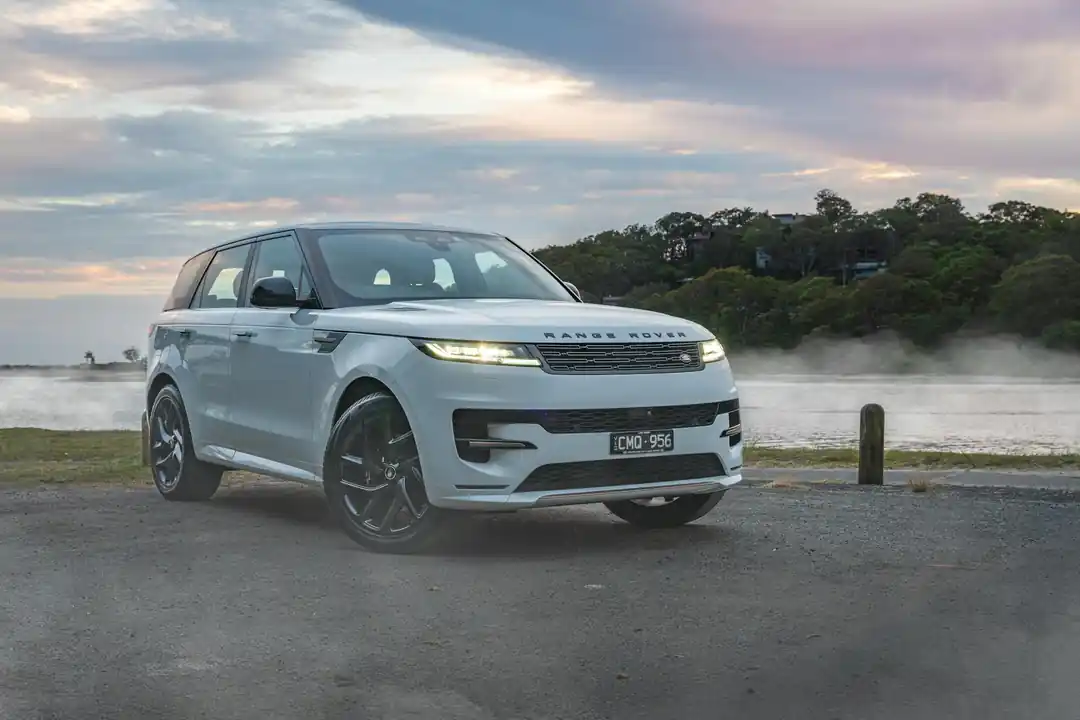
Beyond the Badge: The Real Things to Look For When Buying a Luxury SUV
Thinking about a luxury SUV? It's more than just a status symbol. Let's explore the details that truly matter, from the whisper-quiet ride to the long-term value.

Popular Posts

Rethinking Non-Profit Promotion: Creative Strategies That Actually Drive Event Impact

Beyond Stark White: The Best Interior Paint Colors to Light Up Your New Space

How to Actually Master a New Language on Your Own (No Magic Gene Required)
