The Flu, the Fever, and the Freaking Out: How to Calm Anxiety When You're Sick
Being sick is miserable enough. But when the flu brings a tidal wave of anxiety with it, it can feel completely overwhelming. Let's talk about how to find a little peace.
There’s a unique brand of misery that comes with being sick. It’s not just the physical symptoms—the oppressive weight of a fever, the aches that settle deep in your bones, the throat that feels like sandpaper. It’s the mental game that really does a number on you. One minute you’re just feeling under the weather, and the next, your heart is pounding, your thoughts are racing, and you’re convinced this simple flu is morphing into a Victorian-era wasting disease. If you've ever found yourself trapped in this cycle, please know you are so far from being alone.
I used to get so frustrated with myself. Why couldn't I just be sick? Why did my brain have to turn it into a five-act drama? It felt like a personal failing. But I’ve learned that the link between physical illness and mental anxiety is incredibly real and deeply biological. When your body is fighting off an invader like the flu virus, it launches a full-scale inflammatory response. Those inflammatory markers don't just stay in your body; they travel to your brain, and research has shown they can directly trigger feelings of anxiety and depression.
So, no, you're not making it up. Your body is under siege, and your mind is getting caught in the crossfire. The physical sensations of illness—a racing heart from fever, shortness of breath from a cough, dizziness from dehydration—are also classic symptoms of a panic attack. Your brain, bless its heart, gets confused. It feels the physical cues of panic and logically concludes, "Well, I guess we're panicking now!" This is where we can gently step in and offer our minds a different path.
Reclaim Your Sanctuary
When you feel powerless over your own body, it’s a natural instinct to grasp for control. The good news is, you can control your environment. This is your sick bay, your healing sanctuary. And you are in charge of the vibes. Forget about the mess in the rest of the house. Your entire world is now your bed and the immediate vicinity, so let's make it a place of peace.
Start small. What’s on your bedside table? Can you clear it of clutter? Maybe light a candle with a scent that feels calming to you (I’m partial to lavender or eucalyptus). Dim the lights. Put on a playlist of gentle, instrumental music or even just some ambient nature sounds. These aren't frivolous actions; they are powerful signals to your nervous system that you are in a safe, restful space. It’s about creating an external environment of calm to help soothe the internal chaos.
This is also the time to become a connoisseur of comforting liquids. A warm mug of herbal tea—peppermint, chamomile, ginger—can feel like an internal hug. The ritual of preparing it, the warmth in your hands, the steam on your face… it’s a multi-sensory experience that grounds you in the present moment. It’s not just about hydration; it’s a small, deliberate act of kindness to yourself.
Curate Your Inner World
Just as you curate your physical space, you must curate your mental space. When you're sick, you are incredibly suggestible. Your defenses are down. This is absolutely not the time to be scrolling through social media arguments or watching intense, stressful thrillers. Think of it as a media diet. What you consume with your eyes and ears matters just as much as what you consume with your mouth.
This is your official permission slip to indulge in the most comforting, nostalgic, and gentle media you can find. For me, that’s re-watching old favorite sitcoms or listening to a familiar audiobook. The goal is distraction, but a soft-focus kind of distraction. You want something that can hold your attention just enough to keep your mind from spiraling, but not so much that it’s draining.
And if even that feels like too much, just breathe. It sounds ridiculously simple, I know. But when your heart is fluttering and your breath feels shallow, focusing on your breathing can be a lifeline. Try the 4-7-8 technique: Inhale quietly through your nose for a count of four. Hold your breath for a count of seven. Exhale completely through your mouth for a count of eight. Repeat it a few times. This is a direct message to your vagus nerve, telling your body it’s okay to stand down from high alert.
Give Yourself the Grace of Doing Nothing
In our productivity-obsessed culture, this is often the hardest part. We feel guilty for resting. We feel like we should be "powering through" or at least "catching up on emails." You must, must, must let that go. When you have the flu, resting is your only job. It is the most productive thing you can possibly do. Your body is running a marathon on the inside, and it needs all available resources directed toward that fight.
Every time that little voice in your head whispers, "You're being so lazy," I want you to answer it with, "I am healing, and that is important work." Frame it not as a failure to do things, but as the active, essential process of recovery. You wouldn't get angry at a broken bone for not being able to bear weight, would you? Treat your sick body with that same compassion and understanding.
This period of forced rest is uncomfortable, but it can also be a teacher. It reminds us that we are not just our output. We are human beings who require care, rest, and gentleness. It’s a lesson I have to relearn almost every time I get sick, but it’s one I’m grateful for.
So be kind to yourself. Let your body do its work. Let your mind be as quiet as you can make it. This feeling is temporary. The fever will break, the aches will subside, and your mind will find its calm again. Wishing you a gentle and speedy recovery.

Finding Your Light: Mental Wellness Tips for a Positive Sickness Recovery
Beyond the Pill Bottle: My Journey to a Stronger Immune System Through the Kitchen

Related Posts
 NUTRITION
The Simple Pre-Workout Fueling Strategy That Saved My Long Runs
Discover how timing your carbohydrates and embracing simple foods can eliminate mid-workout fatigue and unlock your true endurance potential.
 FITNESS
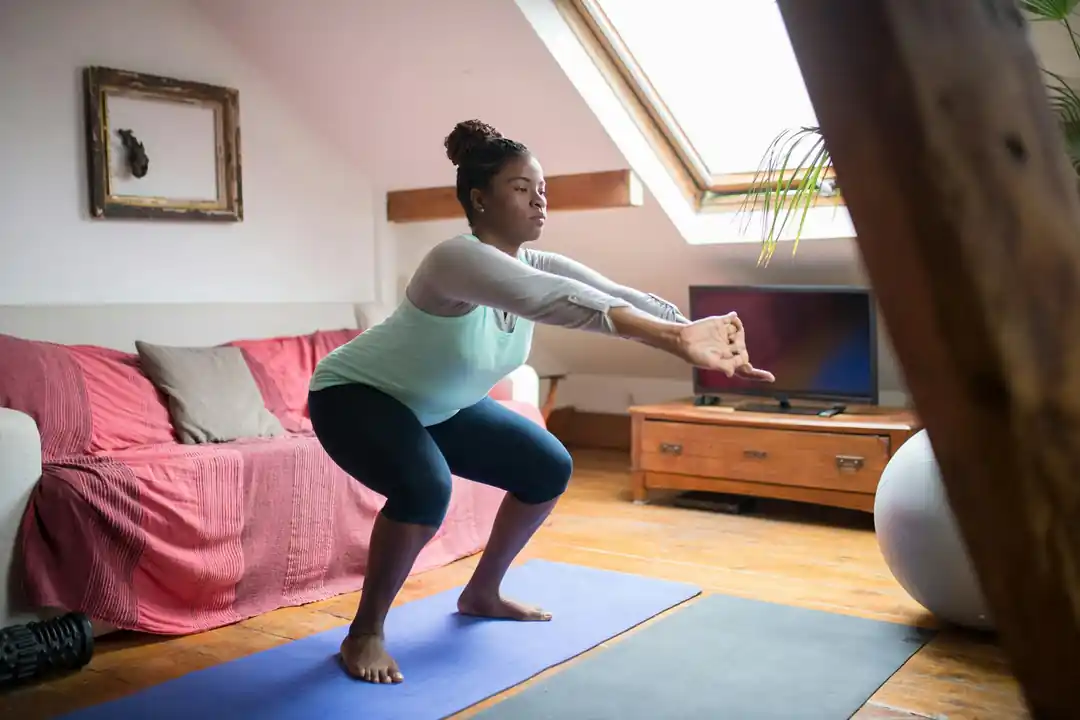
No Gym, No Problem: The Ultimate Guide to Bodyweight Fitness at Home
Forget expensive memberships. Discover how to build serious strength and transform your body using the most powerful tool you already own: yourself.

Popular Posts

Rethinking Non-Profit Promotion: Creative Strategies That Actually Drive Event Impact

Beyond Stark White: The Best Interior Paint Colors to Light Up Your New Space

How to Actually Master a New Language on Your Own (No Magic Gene Required)