Chasing the Ghost Dragon: An Honest Guide to Seeing the Northern Lights
It's more than a bucket list item; it's a cosmic experience. Here’s a real-talk guide to the best places on Earth to witness the aurora borealis.
Let’s be honest, we’ve all seen the pictures. Those impossibly vibrant ribbons of green and purple dancing over a snowy landscape, looking like something straight out of a fantasy novel. For years, I had this idea of the Northern Lights as something almost mythical, a spectacle reserved for professional photographers and hardcore adventurers. The thought of actually standing under them myself felt like a distant, complicated dream. But a few years ago, I finally decided to stop dreaming and start planning. The experience was, without a doubt, one of the most profound and soul-stirring of my life.
It’s not just about the view, though the view is everything. It’s about the chase. It’s the feeling of bundling up in more layers than you thought possible, stepping out into the biting, silent cold of the Arctic night, and just… waiting. It’s the shared gasp with strangers when the first faint, ghostly wisp of green appears. It’s a primal connection to the cosmos that makes you feel both infinitesimally small and deeply connected to something vast and beautiful. If that sounds like an experience you need in your life, I’m here to tell you it’s more achievable than you think.
The Nordic Champions: Iceland & Norway
When you start researching where to see the aurora, a few names pop up again and again, and for good reason. Iceland and Norway are, without a doubt, two of the most popular and reliable destinations for a Northern Lights trip, especially for first-timers. They offer a fantastic combination of being deep within the "aurora oval" and having the infrastructure to make the journey relatively comfortable. I have a soft spot for both, as they offer such uniquely different backdrops for the celestial show.
Iceland is otherworldly. They call it the Land of Fire and Ice, and that’s not just a marketing slogan. The landscape is a raw, dramatic canvas of volcanic rock, vast glaciers, and black sand beaches. Seeing the aurora dance over the Jökulsárlón glacier lagoon, with ethereal green light reflecting off the icebergs, is a memory that’s permanently burned into my mind. The great thing about Iceland is its accessibility. You can base yourself in Reykjavík and take nightly tours, or, for the more adventurous, rent a 4x4 and drive the Ring Road, stopping at will. A word of warning: Icelandic weather is notoriously fickle. A perfectly clear sky can turn into a blizzard in minutes, so flexibility and a good weather app are your best friends here.
Norway, on the other hand, offers a different kind of majesty. The coastal city of Tromsø, located 350 kilometers north of the Arctic Circle, proudly calls itself the "Capital of the Arctic." It's a vibrant hub with plenty of tour operators who can take you out of the city's light pollution and into the surrounding wilderness. What I love about the Norwegian coast are the fjords and mountains. Seeing the lights reflected in the calm waters of a fjord, framed by snow-dusted peaks, is just breathtaking. For an even more immersive experience, consider a trip to the Lofoten Islands. These remote fishing islands offer some of the most picturesque (and photographed) foregrounds for your aurora shots.
Beyond the Obvious: Finland & Sweden's Arctic Soul
While Iceland and Norway might get the most press, you absolutely should not sleep on their neighbors. Finnish and Swedish Lapland offer a completely different vibe—less coastal and more deep, silent, snow-covered forest. It feels more like stepping into a fairy tale. This is the home of reindeer, Sámi culture, and some of the most unique accommodations you could ever imagine.
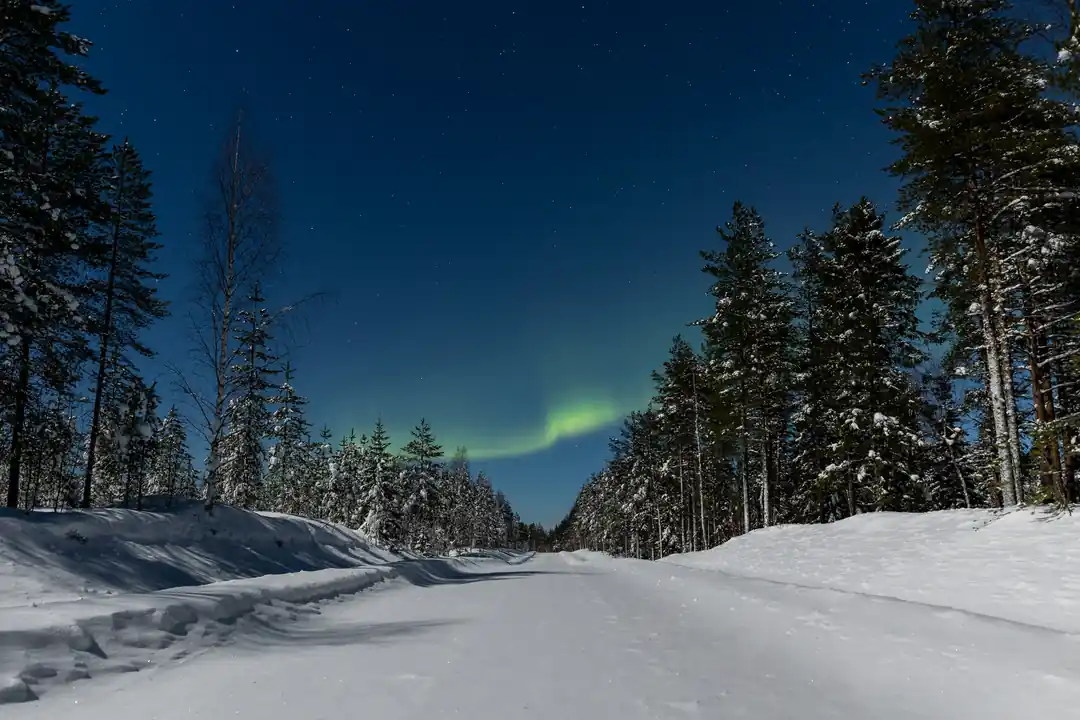
In Finland, the dream is often to stay in a glass igloo. And yes, it’s as magical as it sounds. Lying in a warm bed, staring up through a heated glass dome at the aurora dancing overhead is an experience that borders on the sublime. Places like Rovaniemi (the official hometown of Santa Claus, which adds a layer of whimsy) and Saariselkä are popular hubs. The Finns have a saying that the aurora, or revontulet, is a "fox fire," caused by a mythical arctic fox running across the snow and whipping its tail against the sky, sending sparks upward. In the profound silence of a Finnish forest, that legend feels entirely plausible.
Swedish Lapland offers a similarly enchanting, though perhaps slightly more rugged, experience. Abisko National Park is legendary among aurora chasers. Thanks to a unique microclimate caused by the surrounding mountains, it has a "blue hole"—a patch of sky that often remains clear even when the surrounding areas are clouded over. The Aurora Sky Station in Abisko, reached by a chairlift, provides a fantastic vantage point. It’s less about the novelty accommodations and more about pure, unadulterated nature. The feeling of remoteness here is palpable, and it makes the appearance of the lights feel even more special.
Timing, Tech, and Tempering Expectations
So, you’ve picked a spot. Now for the two most important parts of the plan: timing and mindset. The Northern Lights are most visible during the darkest months, which generally means from late September to early April. The peak months are often cited as being around the equinoxes (September and March) due to the Earth's orientation toward the sun, which can lead to stronger geomagnetic storms. However, the heart of winter, from December to February, offers the longest, darkest nights, giving you a bigger window of opportunity.
Next, you have to become a bit of a weather and space-weather nerd. Download an aurora forecast app on your phone. These apps track the Kp-index, a scale from 0 to 9 that measures geomagnetic activity. A Kp of 4 or 5 is great and means you have a solid chance of seeing a good show. But remember, a high Kp is useless if the sky is covered in clouds. You need both strong activity and clear skies. This is the part of the chase that requires patience. You will have nights where you see nothing. You will have nights where you freeze your toes off for a faint, gray-looking smudge.
And that brings me to the most crucial piece of advice: temper your expectations. The photos you see online are often the result of long-exposure photography, which captures more color and light than the naked eye can perceive. Sometimes, the aurora will be a faint, milky-white cloud that you might mistake for a wispy cirrus cloud. But then, it will start to move, to dance, and your brain will slowly register the faint green hue. And on other nights, if you are truly lucky, the sky will explode in a way that no camera can ever truly capture. The key is to embrace the entire experience—the cold, the waiting, the hot chocolate you drink to stay warm, the incredible landscapes around you. The aurora is the stunning, unforgettable bonus.
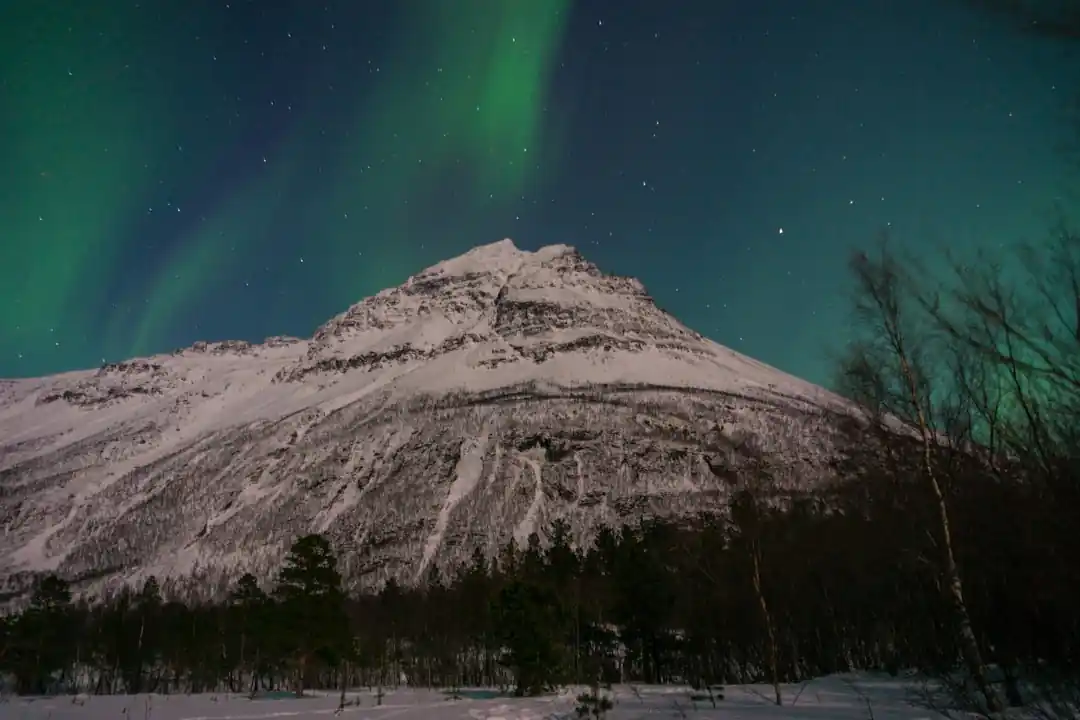
That Viral Northern Lights Photo? You Can Absolutely Take It On Your Phone
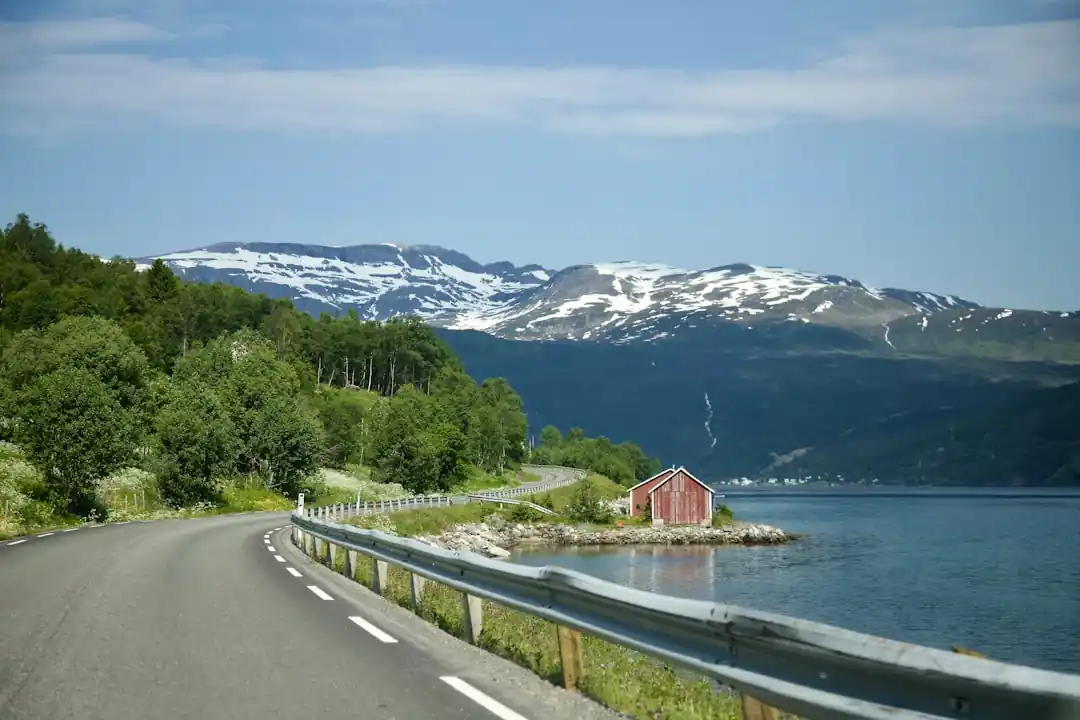
The Ultimate Guide to Driving in Norway as a Tourist
Related Posts
 TRANSPORT
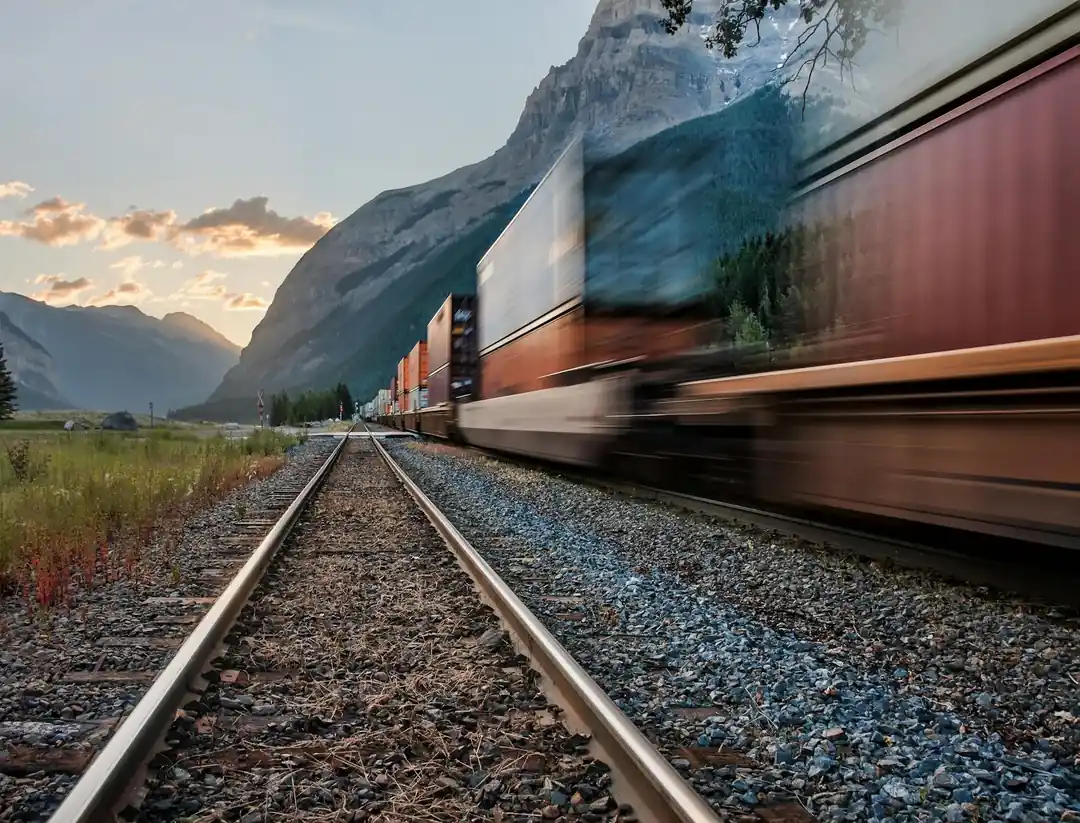
Beyond the Highway: Finding Canada's Soul on a Western Rail Adventure
Forget road trips. I'm talking about rediscovering the romance of travel on Via Rail's most scenic routes through the heart of the Canadian West. It’s an experience that changes you.
 TRAVEL TIPS
The Unwritten Rules of the North: What to Know Before Camping in Canada
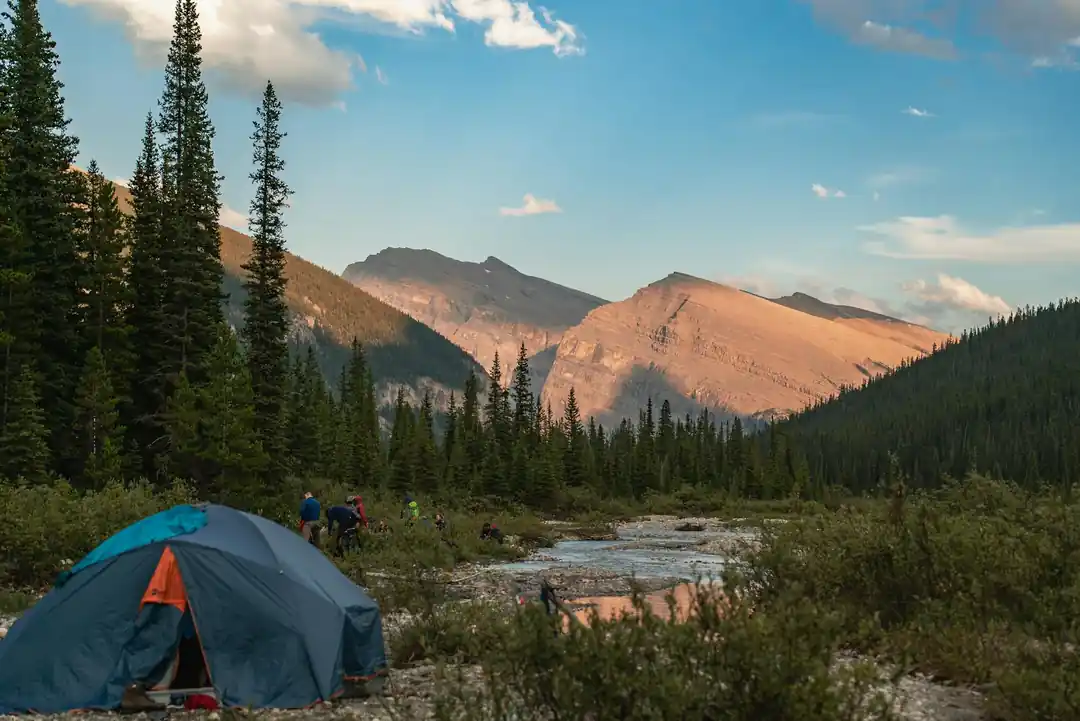
Heading to the Great White North for a camping trip? It's an amazing idea. But from campfire etiquette to wildlife wisdom, here’s what you need to know before you go.

Popular Posts

Rethinking Non-Profit Promotion: Creative Strategies That Actually Drive Event Impact

Beyond Stark White: The Best Interior Paint Colors to Light Up Your New Space

How to Actually Master a New Language on Your Own (No Magic Gene Required)
