Unlocking Hope: A Nonprofit’s Guide to Finding and Winning Mental Health Grants
The world of grant funding can feel like a maze, but for nonprofits dedicated to mental wellness, it's a path worth navigating. Let's break down how to find the opportunities and write the proposals that bring vital resources to your community.
There’s a quiet, persistent hum of need that runs through every community in this country. It’s the need for connection, for understanding, and for a safe place to land when the world feels too heavy. As a nonprofit leader in the mental health space, you know this hum intimately. You hear it in the stories of the people you serve, and you feel it in the drive to do more, reach more, and help more. But passion, as we all know, doesn’t keep the lights on. That’s where the often-intimidating world of grant funding comes in.
Honestly, when I first started navigating the grant application process years ago, it felt like learning a new language. The jargon, the databases, the sheer volume of information—it was overwhelming. I remember staring at the screen, thinking, "How can I possibly distill our mission into these tiny boxes and character limits?" It’s a feeling I’m sure many of you share. The good news is that it’s not an impossible code to crack. It’s a process, and like any process, it can be learned, refined, and even mastered.
This isn't just about securing money; it's about finding partners who believe in your vision. It’s about translating the incredible, life-changing work you do every day into a narrative that resonates with funders. Let’s walk through this together, not as a dry checklist, but as a conversation about how to find the resources that will empower you to continue your vital work.
Where to Find the Gold: Your Map to Grant Opportunities
Before you can write a winning proposal, you have to find the right place to send it. The funding landscape for mental health is vast and varied, ranging from massive federal programs to small, family-run foundations. Knowing where to look is the first, and arguably most important, step in this journey. It saves you time, energy, and the heartache of applying for grants that were never the right fit to begin with.
Your first stop should almost always be the major government portals. Grants.gov is the centralized source for federal grants across all agencies. A quick search for "mental health" will yield hundreds of opportunities. A key agency to watch here is SAMHSA (Substance Abuse and Mental Health Services Administration). They are a powerhouse of funding specifically for mental health and substance abuse programs. I recently read that they manage a portfolio of over $3.5 billion in grants. These opportunities are often large and can provide significant, multi-year support, but be prepared for a highly competitive and rigorous application process. It’s a marathon, not a sprint, to apply for these.
Beyond the federal level, don't overlook state and local government grants. These are often more accessible to smaller, community-based organizations. Your state’s Department of Health and Human Services (or equivalent) is the best place to start. These grants are tailored to the specific needs of your region, whether it's addressing the opioid crisis in Appalachia or funding youth mental wellness programs in urban centers. The funding might be smaller, but the local focus means your application can speak directly to the challenges and strengths of the community you know so well.
Finally, there's the incredibly diverse world of private and community foundations. This is where the real detective work begins. Foundations like the Robert Wood Johnson Foundation or the National Alliance on Mental Illness (NAMI) have dedicated mental health initiatives. But don't stop there. Use databases like Candid’s Foundation Directory Online or Instrumentl to search for foundations whose missions align with yours. Look for smaller, local community foundations, too. They may not have the big names, but they are deeply invested in their local area and are often more open to building a personal relationship with their grantees.
Crafting a Proposal That Breathes Life
Once you’ve identified a promising grant opportunity, the real work begins: writing the proposal. This document is so much more than a request for money. It is the voice of your organization, the story of your community, and the vessel for your vision. A funder might read dozens, if not hundreds, of these. Your job is to make yours stand out, not with flashy graphics, but with authenticity, clarity, and compelling evidence.
First and foremost, tell a powerful story. Data is crucial (and we’ll get to that), but stories are what connect us as humans. Start with a compelling anecdote or a startling statistic that frames the problem you’re solving. Instead of saying, "We provide counseling services," describe the transformation of a single individual your organization helped. Make the need tangible. I read a piece of advice from a grantmaker once that said, "I want to feel the 'why' before I understand the 'how'." That has stuck with me ever since. Your passion for the work needs to leap off the page.
Of course, that passion must be backed by a rock-solid plan and measurable outcomes. This is where you shift from storyteller to strategist. Clearly outline your program's goals, the specific activities you will undertake, and how you will measure success. Don't use vague language like "improve mental wellness." Instead, use concrete metrics: "We will serve 200 high school students through our after-school peer support program, with the goal of a 30% reduction in self-reported anxiety symptoms on pre- and post-program surveys." This shows the funder you are results-oriented and a responsible steward of their investment.
Finally, your budget must tell the same story as your narrative. Every line item should directly connect to the activities you’ve proposed. Be realistic and transparent. Don't inflate numbers, but also don't be afraid to ask for what you truly need to run the program effectively, including administrative overhead. Many first-time grant writers undervalue their own time and operational costs. A well-thought-out, justifiable budget builds trust and demonstrates that you have a firm grasp on the financial realities of your work. It proves you’re not just dreaming; you have a plan to make that dream a reality.
The Little Details That Make a Big Difference
The grant-seeking process is filled with small, often-overlooked details that can make or break your chances of success. It’s about playing the long game, building relationships, and maintaining a professional and persistent approach. Ignoring these finer points is a common pitfall for many passionate but overstretched nonprofit leaders.
One of the most critical yet simple rules is to follow instructions to the letter. If a funder asks for a five-page proposal, don't submit six. If they require a specific font size or margin, use it. This might seem trivial, but it’s the first test of your ability to follow directions and manage details. Grant reviewers are often looking for easy ways to narrow down a massive pile of applications, and failing to adhere to the guidelines is a red flag that you might be difficult to work with or careless with reporting requirements down the line.
Another key is to think of this as relationship-building, not just a transaction. If the funder is open to it, reach out before you apply. Introduce your organization, briefly explain your project, and ask a thoughtful question that shows you’ve done your homework. Attend their webinars or information sessions. This puts a human face to your application and shows you’re genuinely interested in their work, not just their money. And if your proposal is rejected, always send a polite thank you and, if appropriate, ask for feedback. This professionalism can leave a lasting positive impression and open the door for future opportunities.
Finally, remember that the work isn't over when you get the "yes." Receiving a grant is the beginning of a partnership. Be meticulous with your reporting, communicate any challenges or successes along the way, and be a good steward of the funds you’ve been given. A strong track record of managing grants effectively is your best asset when it comes time to apply for renewal or seek funding from new sources. Your reputation in the funding community is priceless.
Navigating the world of mental health grants is a journey of persistence, strategy, and profound storytelling. It’s a testament to your belief in a better, healthier future for your community. Hold onto that belief, because it is the fuel that will carry you through the long hours of writing and waiting. The work you do is essential, and with the right approach, you can find the partners you need to sustain and grow it.

More Than Motion: Finding Your Mental Sanctuary Through Exercise
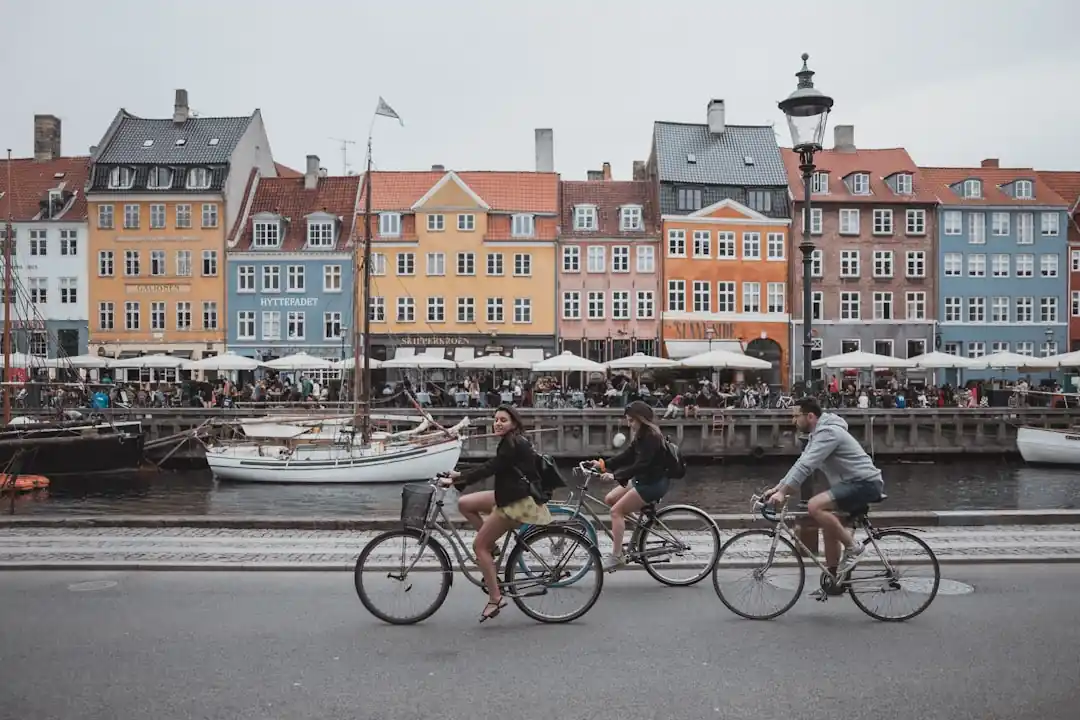
Copenhagen on Two Wheels: A Guide to Renting a Bike and Feeling Like a Local
Related Posts
 NUTRITION
The Simple Pre-Workout Fueling Strategy That Saved My Long Runs
Discover how timing your carbohydrates and embracing simple foods can eliminate mid-workout fatigue and unlock your true endurance potential.
 FITNESS
No Gym, No Problem: The Ultimate Guide to Bodyweight Fitness at Home
Forget expensive memberships. Discover how to build serious strength and transform your body using the most powerful tool you already own: yourself.
Popular Posts

Rethinking Non-Profit Promotion: Creative Strategies That Actually Drive Event Impact

Beyond Stark White: The Best Interior Paint Colors to Light Up Your New Space

How to Actually Master a New Language on Your Own (No Magic Gene Required)