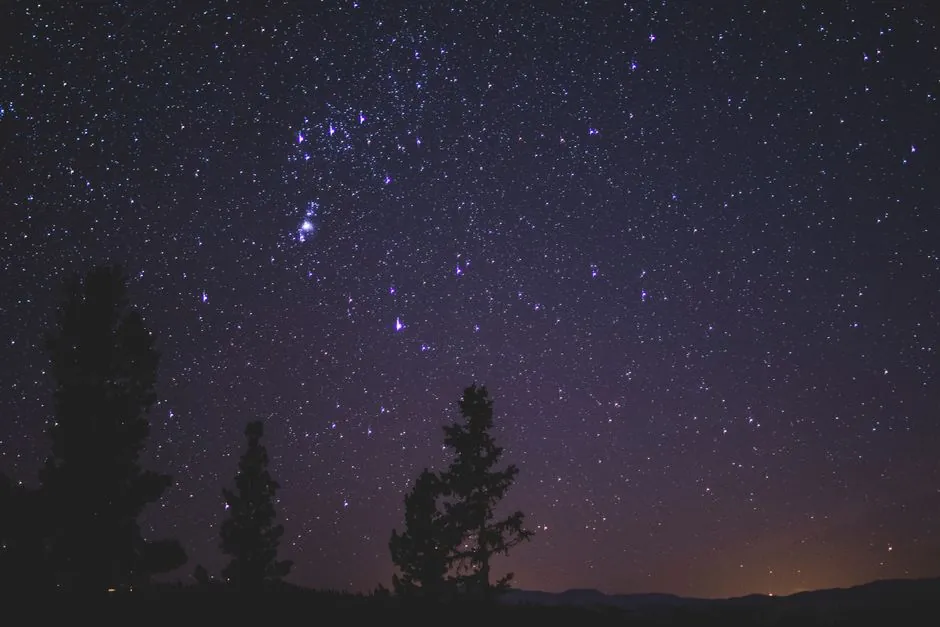
Whiteout: The Terrifying Truth About Driving in a Snow Squall
It happens in an instant. One minute you're driving, the next you're blind. Snow squalls are a unique winter danger, and here's how to survive them.
It happens faster than you can imagine. One minute, you’re cruising down the highway under a gray but otherwise unremarkable winter sky. The next, the world outside your windshield is gone, erased by a sudden, violent curtain of white. Your heart leaps into your throat. This isn’t just a snow shower; it’s a full-blown whiteout. This, my friends, is a snow squall, and it’s one of the most underestimated dangers of winter driving in the US.
Honestly, I used to lump all winter weather together. Snow was snow, right? But a snow squall is a completely different beast. It’s not the slow-building, day-long blizzard you can track on the news for days. It’s an ambush. The National Weather Service defines it as an intense but short-lived burst of heavy snowfall, accompanied by strong, gusty winds. The danger isn't just the snow, but the shockingly rapid reduction in visibility to a quarter-mile or less.
Think of it as a winter thunderstorm. It moves in, unleashes its fury, and moves out, often in less than an hour. But in that short time, it can cause chaos. The sudden whiteout conditions are disorienting, and the gusty winds can push your vehicle around. Even worse, the quick drop in temperature can flash-freeze wet roads, turning them into a sheet of ice with absolutely no warning. It’s this combination of sudden blindness and treacherous ice that leads to those horrific, multi-car pileups you hear about on the news.
What Makes a Snow Squall So Different?
Let's get into the weeds a bit, because understanding the enemy is the first step to defeating it. Unlike a widespread winter storm system that might cover several states, a snow squall is often a narrow, localized band. You could be driving in clear weather, see a dark, ominous cloud approaching, and then plunge directly into the squall with no transition. There's often no time to mentally prepare, which is a huge part of the danger.
I was reading a report from the Federal Highway Administration that really put it into perspective. They pointed out that the "surprise" element of squalls is what makes them so hazardous. Drivers have no time to adjust their speed and behavior gradually. One second you're traveling at 65 mph, and the next you can't see the taillights of the car that was just 100 feet in front of you. Your instinct is to slam on the brakes, but that’s often the worst possible thing you can do.
This is why the National Weather Service has started issuing specific "Snow Squall Warnings," much like they do for tornadoes or severe thunderstorms. These are targeted, mobile alerts sent to your phone via the Wireless Emergency Alerts (WEA) system. They are designed to give you a 15- to 30-minute heads-up that a squall is imminent, giving you just enough time to take protective action. It’s a game-changer, but only if you know what to do when that alert buzzes.
Your Action Plan: Caught in the White
Okay, so the worst has happened. You're on the highway, and that wall of white hits you. The alert might be screaming from your phone, or maybe you were caught completely unaware. What now? The absolute first rule is to not panic. Take a deep, slow breath. Your calm, deliberate actions in the next 60 seconds are critical.
First, immediately and smoothly take your foot off the accelerator. Do not, under any circumstances, slam on your brakes. A sudden stop will almost certainly cause the person behind you (who is just as blind as you are) to rear-end you, starting a chain reaction. The goal is to slow down as gradually as possible, giving everyone around you time to react to the changing conditions.
Second, make yourself visible. Turn on your low-beam headlights and your hazard lights (your four-way flashers) immediately. High beams are useless in a whiteout; they just reflect off the snowflakes and create a wall of glare, making it even harder to see. Your hazard lights are crucial for signaling to other drivers that something is wrong and helping them see your position in the swirling snow. Also, turn off your cruise control if it's on; you need total manual control of your speed.
To Pull Over or Not to Pull Over?
This is the million-dollar question, and there isn't a single perfect answer for every situation. The official advice from most safety agencies, including the NWS, is that if you can safely exit the highway, do it. Take the next exit and pull into a gas station, rest area, or parking lot to wait out the squall. This is, without a doubt, the safest option. A squall is intense but brief, and waiting 30 minutes is infinitely better than becoming a statistic.
However, stopping on the shoulder of a busy highway is incredibly dangerous. In whiteout conditions, other drivers can easily lose their bearings and drift onto the shoulder, hitting your stationary vehicle at high speed. If you absolutely cannot get off the highway and visibility drops to zero, your best bet is to slow down as much as you can, keep your hazard lights on, and try to maintain your lane, using the rumble strips or the faint outline of the lane markers as a guide if possible.
If you must stop, pull as far off the road as you can, turn off your driving lights (to avoid confusing other drivers into thinking you are in a travel lane), but keep your hazard lights flashing. And stay in your vehicle with your seatbelt on. Never get out of your car on a highway during a whiteout. You are virtually invisible to other drivers. The car's metal frame is your best protection.
The intensity of a snow squall is something that has to be experienced to be truly understood, but it's an experience I hope you never have. By understanding the threat and having a clear plan, you can take control of a situation that feels utterly chaotic. It’s about respecting the weather, giving yourself time, and making calm, deliberate choices.
Stay safe out there, and remember that sometimes the bravest thing a driver can do is to stop and wait.
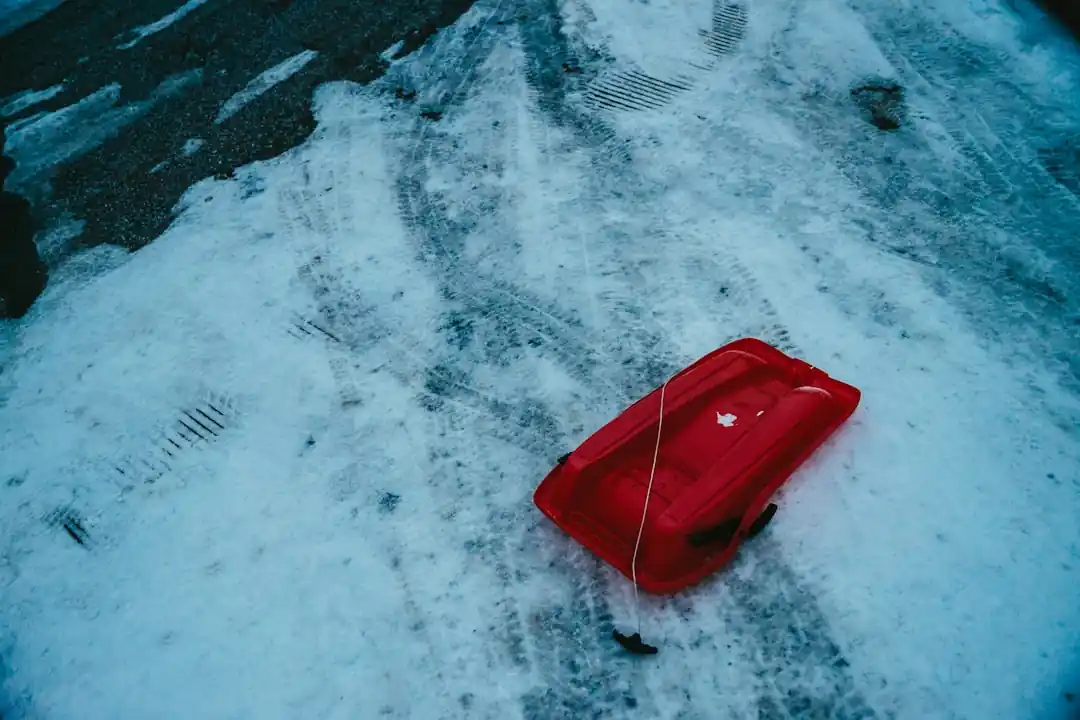
Don't Get Stranded: Your Ultimate Winter Car Emergency Kit
Navigating Angola's Skies: A Guide to Domestic Airports & Airlines

Related Posts
 TRANSPORT
Beyond the Highway: Finding Canada's Soul on a Western Rail Adventure
Forget road trips. I'm talking about rediscovering the romance of travel on Via Rail's most scenic routes through the heart of the Canadian West. It’s an experience that changes you.
 TRAVEL TIPS
The Unwritten Rules of the North: What to Know Before Camping in Canada
Heading to the Great White North for a camping trip? It's an amazing idea. But from campfire etiquette to wildlife wisdom, here’s what you need to know before you go.

Popular Posts

Rethinking Non-Profit Promotion: Creative Strategies That Actually Drive Event Impact

Beyond Stark White: The Best Interior Paint Colors to Light Up Your New Space

The Simple Pre-Workout Fueling Strategy That Saved My Long Runs