Ever wondered about the incredible effort behind getting vital supplies to those in crisis? It's a complex dance of logistics, coordination, and sheer human will.
There's something profoundly moving about seeing an aid convoy on the news—a line of trucks winding through a desolate landscape, carrying the promise of relief. But have you ever stopped to think about the sheer, monumental effort it takes to get those supplies from a warehouse to someone desperately in need? It's not just about loading a truck and driving; it's a masterclass in humanitarian logistics, a field far more intricate and challenging than most of us can imagine. Honestly, it's a testament to human ingenuity and collaboration in the face of chaos.
I was reading up on this recently, and the complexity is just staggering. We see the end result, the moment of delivery, but the journey itself is a silent ballet of planning, negotiation, and navigating near-impossible obstacles. It’s a world where a delay of mere hours can literally mean the difference between life and death, making every decision, every route, and every coordinated effort critically important. This isn't a commercial enterprise driven by profit; it's a mission fueled by the urgent need to alleviate suffering.
The Blueprint of Hope: Assessment and Coordination
The journey of an aid convoy begins long before the trucks even start their engines, with a meticulous orchestration of planning and coordination. It all kicks off with a thorough needs assessment, where organizations on the ground work tirelessly to identify exactly what a community requires—be it food, clean water, medical supplies, or shelter. This isn't a guessing game; it's a data-driven process involving local leaders and community members to ensure the right aid gets to the right place at the right time.
Once needs are identified, the real logistical puzzle begins. This is where major players like the World Food Programme (WFP) often step in to lead what's known as a "Logistics Cluster." Think of it as an operational hub that brings together dozens of different NGOs, local governments, and even private sector partners to work as one seamless unit. They share information, pool resources, and deconflict routes to avoid duplication and maximize efficiency. It’s a diplomatic and operational feat, especially when you consider that a huge portion of all humanitarian spending is dedicated to these supply chain activities.
This collaborative spirit is the absolute backbone of the entire operation. It prevents a chaotic free-for-all and ensures that the collective effort is greater than the sum of its parts. Without this intense, behind-the-scenes coordination, the whole system would grind to a halt.
Navigating a Labyrinth of Obstacles
Even with the best-laid plans, aid convoys face an almost unimaginable gauntlet of challenges. Bureaucratic hurdles are a constant headache. Securing permissions, getting drivers and vehicles approved, and navigating endless checkpoints often involves lengthy delays and last-minute cancellations. It's a frustrating dance with paperwork and regulations, where every signature feels like a hard-won victory.
Then there's the sheer physical landscape. In the aftermath of a natural disaster or in a long-standing conflict zone, infrastructure is often the first casualty. We're talking about destroyed roads, collapsed bridges, and non-existent warehousing facilities. I’ve seen reports of convoys having to forge new paths or use donkeys to get supplies across mountainous terrain. It’s a logistical nightmare that demands incredible ingenuity and on-the-fly problem-solving.
But perhaps the most heartbreaking and dangerous obstacles arise in conflict zones. Aid workers and their convoys frequently navigate areas rife with military operations, facing the constant threat of attacks, looting, and spontaneous roadblocks. Communication networks are often damaged or inconsistent, making real-time updates and decisions incredibly difficult. It’s a level of risk that is hard to comprehend, and the courage of the drivers and aid workers who press on is nothing short of heroic.
The Final, Perilous Mile
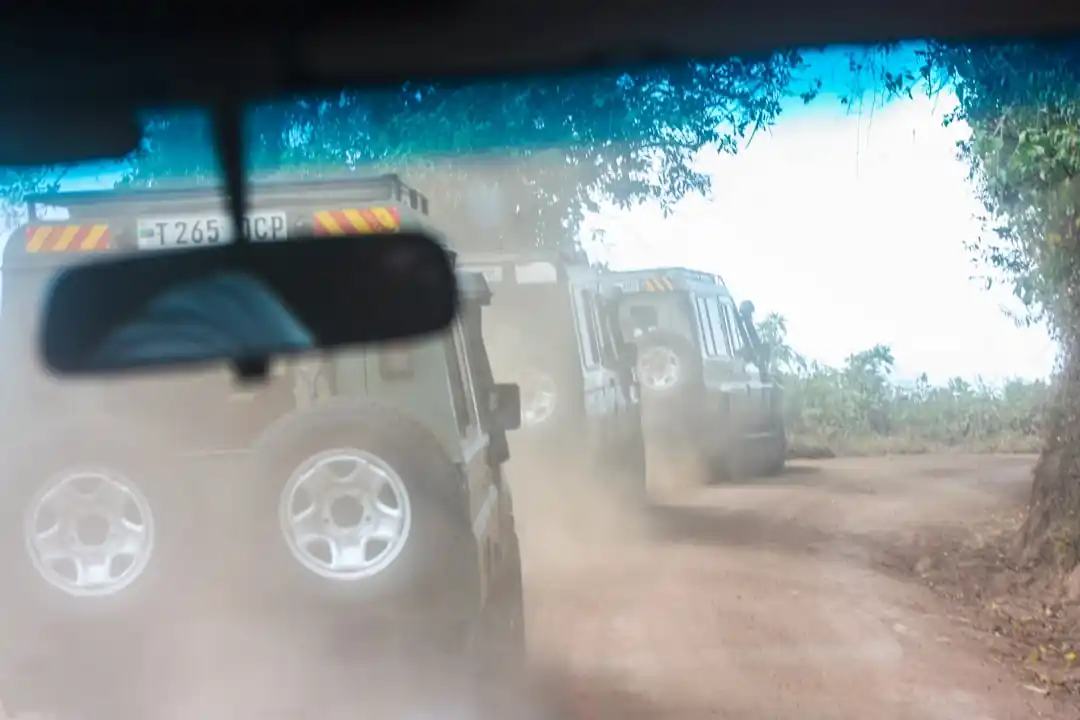
The "last mile" of an aid delivery is famously the most difficult and expensive part of the entire journey. This is the final leg, the point where supplies are transferred from a larger convoy to smaller vehicles or even carried by hand to reach isolated communities. It’s here that the challenges often become most acute. The security risks can be at their highest, and the infrastructure at its most degraded.
This is also where the human element of aid distribution becomes paramount. It requires careful planning and community engagement to ensure that aid reaches the most vulnerable populations—the elderly, the disabled, and children—without causing harm or exacerbating existing tensions. Aid workers must be sensitive to local power dynamics and cultural norms to distribute supplies equitably.
Sometimes, despite all precautions, convoys are stopped by desperate civilians, a stark reminder of the immense hunger and need that drives people to such actions. The teams on the ground, working tirelessly to unload and distribute aid in often chaotic and insecure environments, are the final, crucial link in a chain that stretches across continents. They bring not just food and medicine, but a powerful message of solidarity.
It’s a stark reminder that while we might see the headlines, the true story of aid convoys is written in the tireless efforts of countless individuals. They are the ones who battle against time, bureaucracy, and danger to deliver hope, one truckload at a time. Their work, often unseen and underappreciated, is a profound act of our shared humanity.

How to Talk to Your Kids About Climate Change (Without Scaring Them)
Crossing Borders: Your Guide to Navigating International Travel Like a Pro

Related Posts
 TRANSPORT
Beyond the Highway: Finding Canada's Soul on a Western Rail Adventure
Forget road trips. I'm talking about rediscovering the romance of travel on Via Rail's most scenic routes through the heart of the Canadian West. It’s an experience that changes you.
 TRAVEL TIPS
The Unwritten Rules of the North: What to Know Before Camping in Canada
Heading to the Great White North for a camping trip? It's an amazing idea. But from campfire etiquette to wildlife wisdom, here’s what you need to know before you go.

Popular Posts

Rethinking Non-Profit Promotion: Creative Strategies That Actually Drive Event Impact

Beyond Stark White: The Best Interior Paint Colors to Light Up Your New Space

How to Actually Master a New Language on Your Own (No Magic Gene Required)
