Dreaming of seeing the Northern Lights? The bus tour you choose is almost as important as the destination. Here’s how to make sure you get it right.
There are some things in life that photos, no matter how stunning, just can't fully capture. The sheer scale of the Grand Canyon is one. The quiet, humbling magic of a star-filled sky in the middle of nowhere is another. And then there are the Northern Lights. I’ve spent countless hours scrolling through unbelievable images of green, purple, and pink ribbons draped across the sky, and I know I’m not alone. It’s a profound, almost primal pull to witness one of nature’s greatest performances.
But let’s be honest for a second. For most of us, a trip to see the aurora is a significant investment of time, money, and hope. The last thing you want is for the experience to fall flat because of a poorly chosen tour. The bus you board is more than just transportation; it's your mobile basecamp, your warming station, and your front-row seat to the cosmos. Choosing the right one can genuinely be the difference between a cherished lifelong memory and a long, cold night of disappointment.
So, how do you sift through the dozens of options, all promising the "best" views and "expert" guides? It’s about knowing what to look for. It’s about understanding that the hunt itself is part of the adventure.
Big Bus or Nimble Minivan? Decoding the Fleet
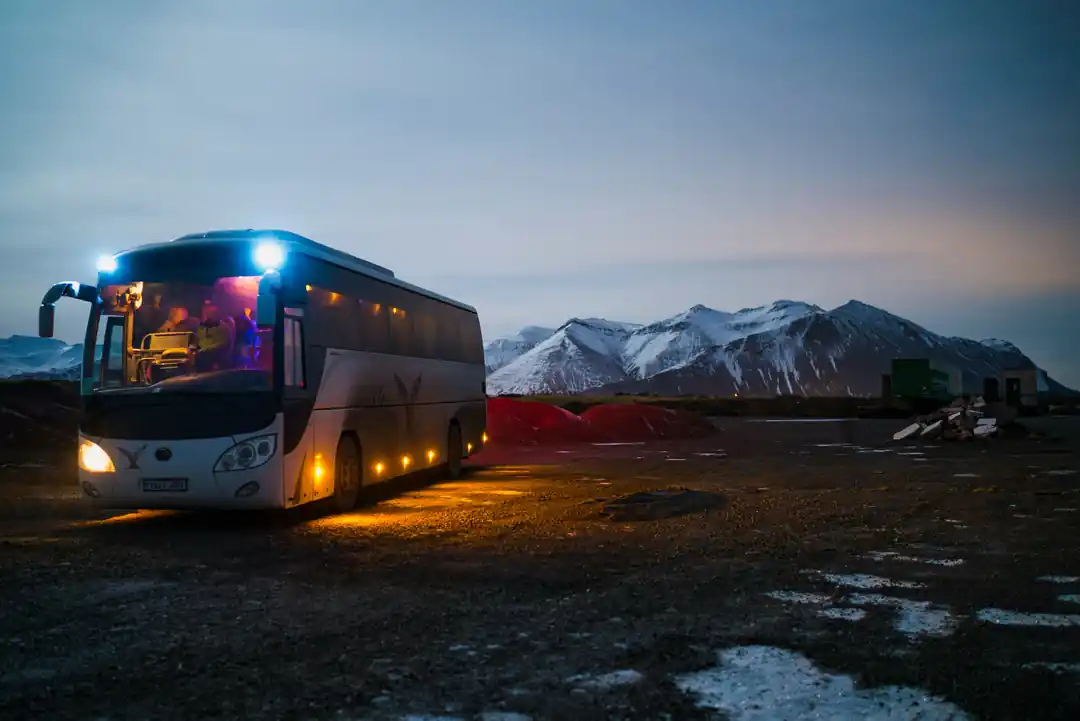
One of the first forks in the road you'll encounter is the size of the vehicle. You’ll see everything from large, comfortable coaches that can seat fifty people to smaller, more agile minibuses and vans. It’s tempting to just go for the cheapest option, which is often the big bus, but it’s worth considering the trade-offs. A large coach offers stability, comfort, and amenities like onboard restrooms, which can feel like a lifesaver three hours into a chase on a dark, icy road.
However, what a minibus lacks in amenities, it often makes up for in flexibility. Think about it: a smaller vehicle can navigate narrower, less-traveled roads to escape a sudden patch of clouds or find a unique, crowd-free viewpoint. I’ve read countless reviews where people praised their small-group tour for its ability to "get away from it all." There’s also the human element. Wrangling a dozen people is a lot easier than herding fifty. You’ll spend less time waiting for everyone to get on and off the bus and more time with your eyes on the sky. It fosters a sense of camaraderie, a shared, intimate experience that a larger tour sometimes struggles to replicate.
Your Guide: The Aurora Whisperer
I can’t stress this enough: your guide is everything. A great Northern Lights guide is a fascinating blend of scientist, historian, photographer, and cheerleader. They’re not just a driver. They are constantly monitoring meteorological data, solar wind activity, and cloud cover maps, making strategic decisions to put you in the right place at the right time. They are, for the night, your "aurora whisperer."
When you're researching tours, look for mentions of the guides in the reviews. Do people describe them as passionate and knowledgeable? Do they talk about the stories they told during the quiet moments of waiting? Many of the best guides will not only explain the science behind the aurora but will also share local folklore and legends connected to the lights, adding a rich layer of cultural context to the experience. Furthermore, many guides are skilled photographers who will help you set up your own camera or even take professional-quality portraits of you under the aurora—a priceless souvenir. Don't underestimate the impact of having a true expert leading your hunt.
Reading the Fine Print: What Really Matters
Beyond the bus and the guide, the nitty-gritty details of the tour package are what separate the good from the great. First, check the duration. A quick three-hour trip might seem efficient, but the lights often peak late at night. A longer tour (five hours or more) significantly increases your window of opportunity. Then, look at the inclusions. Does the tour provide hot chocolate and snacks? It might sound trivial, but a warm drink on a freezing night feels like the height of luxury.
More importantly, do they offer essential gear? Some of the best operators provide thermal suits, tripods for your camera, and even ice grips for your boots. This not only saves you from having to pack bulky items but also ensures you’re safe and comfortable while you wait. Finally, and this is a big one, check their "cloudy night" policy. Reputable companies know that sightings are never guaranteed. Most will offer a free second tour on another night if you don't see the lights on your first try. This is a huge sign of good faith and a critical safety net for your investment.
Ultimately, choosing a Northern Lights tour is an act of hope and a little bit of faith. You're placing your dream in the hands of your chosen guides. By doing your homework, reading between the lines, and prioritizing expertise and flexibility over just the bottom-line price, you give yourself the best possible chance of turning that dream into a dazzling, unforgettable reality. I hope you get to see them dance.

The Unwavering Path: What It Really Takes to Become a US Navy Admiral
Don't Freeze: The Ultimate Guide to What to Wear for the Northern Lights

Related Posts
 TRANSPORT
Beyond the Highway: Finding Canada's Soul on a Western Rail Adventure
Forget road trips. I'm talking about rediscovering the romance of travel on Via Rail's most scenic routes through the heart of the Canadian West. It’s an experience that changes you.
 TRAVEL TIPS
The Unwritten Rules of the North: What to Know Before Camping in Canada
Heading to the Great White North for a camping trip? It's an amazing idea. But from campfire etiquette to wildlife wisdom, here’s what you need to know before you go.

Popular Posts

Rethinking Non-Profit Promotion: Creative Strategies That Actually Drive Event Impact

Beyond Stark White: The Best Interior Paint Colors to Light Up Your New Space

How to Actually Master a New Language on Your Own (No Magic Gene Required)
