Heading out for the winter holidays? Don't let your green companions wilt. Here’s how to keep your indoor plants happy and hydrated while you’re away.
The excitement of planning a winter holiday is a feeling like no other. The daydreams of family gatherings, snowy landscapes, or maybe a much-needed sunny escape start to feel real. But then, for those of us who have cultivated our own indoor jungles, a familiar, quiet anxiety begins to creep in. What about the plants? It’s a question that can add a surprising amount of stress to an otherwise joyful time. I’ve definitely been there, halfway across the country, suddenly wondering if my beloved fiddle-leaf fig is dramatically fainting from thirst.
Leaving our green friends to fend for themselves feels a bit like leaving a pet behind. This is especially true in winter, when the air inside our homes is often Sahara-dry from heating, and the daylight hours are short and precious. It seems like a recipe for disaster. But here’s the thing I’ve learned over years of holiday travel: with a little bit of prep, you can absolutely go on your trip guilt-free, confident that you’ll return to a home filled with life, not drooping leaves.
It’s all about creating a stable, supportive environment for them to coast along in until you get back. And honestly, it’s simpler than you might think.
The Pre-Departure Plant Checklist
A week or so before you zip up your suitcase, it’s time to give your plants a little extra attention. Think of it as a spa day to prepare them for their time alone. This isn't about complicated procedures, but rather a few thoughtful steps to ensure they're in the best possible shape.
First, and most importantly, is a deep and thorough watering. I usually do this a day or two before I leave. Don't just give them a splash; water them until it flows freely from the drainage holes. This ensures the entire root ball is saturated. Then, let them drain completely. The biggest mistake is leaving them to sit in a saucer full of water, which is a fast track to root rot. This one good, deep drink is the foundation of their survival.
Next, take a few minutes for some light grooming. Snip off any yellow or dead leaves. These are just draining energy from the plant and won't recover. A quick scan for pests is also a smart move. The dry winter air can be a breeding ground for annoyances like spider mites. Wiping down the leaves with a damp cloth can not only remove dust, allowing the plant to absorb more light, but also dislodge any potential pests before they become a problem. A healthy, clean plant is a resilient one.
Finally, consider a temporary change of scenery. If you have plants sitting on a sunny, south-facing windowsill, they might appreciate being moved back a few feet into the room. This reduces the risk of the soil drying out too quickly and protects them from cold drafts that can seep through windows. I like to group all my plants together in the middle of a room. This creates a little pocket of humidity as they all transpire (release water vapor), which is a huge benefit for them in a dry, heated home.
DIY Watering: Your Secret Weapon
For any trip longer than a few days, a good soak beforehand just won't be enough. This is where a simple, DIY self-watering system becomes your best friend. You don’t need to buy expensive gadgets; some of the most effective methods use items you already have around the house.
My absolute favorite is the water-wicking method. It sounds technical, but it’s incredibly easy and I swear by it. All you need is a large container of water (a big vase, a bucket, even a clean cooking pot) and some absorbent string, like cotton rope or even strips from an old t-shirt. Place one end of the string a few inches deep into your plant's soil, and the other end into your water container. The key is to place the water reservoir slightly higher than the base of the plant pot. Through capillary action, the string will slowly draw water from the reservoir into the soil as it begins to dry out. It’s a slow, steady, and self-regulating system.
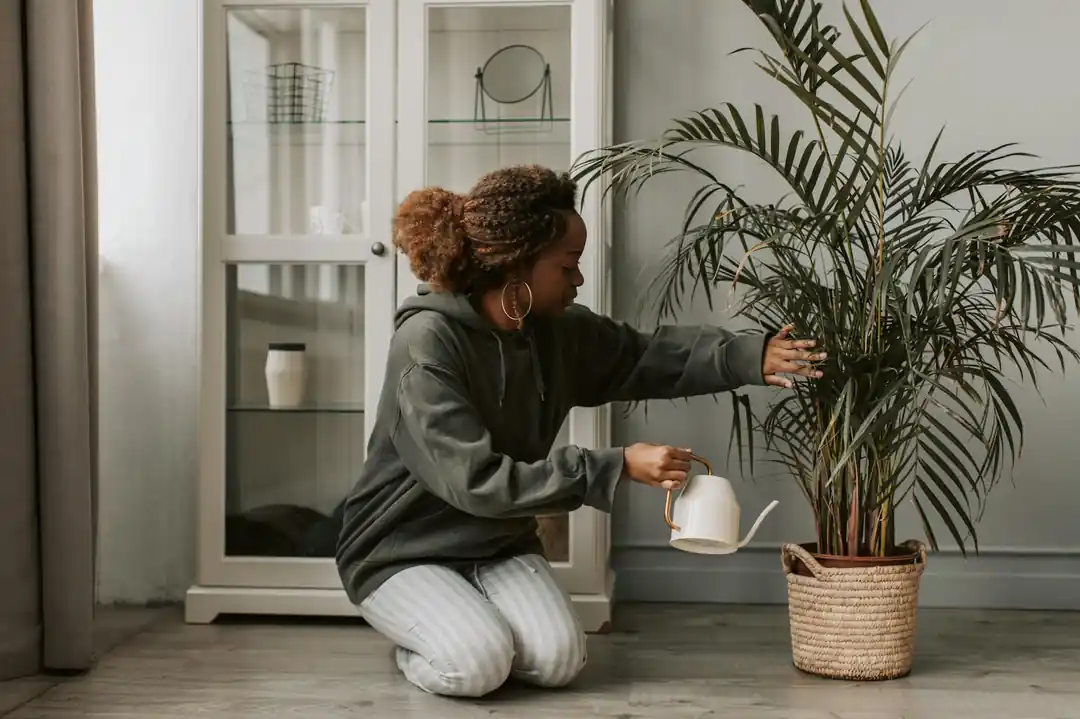
Another classic is the plastic bottle dripper. Take an empty plastic bottle, poke a few small holes in the cap with a nail or a thumbtack, fill it with water, and then quickly invert it and push the neck into the soil. The water will drip out slowly, providing a steady source of moisture right at the roots. It’s a brilliant way to upcycle and is perfect for individual pots. Just be sure to test it out for a day before you leave to make sure the drip rate isn't too fast or too slow for your plant's needs.
For a whole collection of humidity-loving plants, you can even use your bathtub. Place an old towel on the bottom of the tub and add an inch or two of water. Then, just arrange your potted plants (they must have drainage holes for this) on top of the towel. This creates a wonderfully humid micro-environment and allows the plants to absorb water from the bottom up as needed. It’s like a mini-vacation for them, too.
A Final Thought Before You Go
Remember that most indoor plants go into a state of semi-dormancy in the winter. Their growth slows, and so does their need for water and nutrients. This is actually a huge advantage for us when we travel. They are naturally prepared to be less demanding. Because of this, you should absolutely not fertilize your plants before you leave. Fertilizing encourages new growth, which is the last thing you want when you’re not there to provide the necessary light and water to support it.
The goal isn't to force them to thrive in your absence, but to provide a stable, low-stress environment where they can comfortably wait for your return. Adjusting the thermostat down a few degrees can also help, as a cooler home will slow down evaporation and the plant's metabolic processes.
Packing for a holiday should be filled with excitement and anticipation. By taking these few simple steps, you can eliminate the nagging worry about your indoor garden. Coming home to a house full of healthy, happy plants is one of the best welcome-home gifts you can give yourself, a gentle reminder that a little care and foresight can keep life flourishing.

Keeping Our Furry Family Safe: A Holiday Survival Guide for Pet Parents
More Than Just Tinsel: DIY Holiday Decor Ideas to Make Your Home Feel Like a Hug

Related Posts
 HOBBIES
The Beginner's Guide to Reading the Night Sky: How to Spot Your First Constellations
A friendly, grounded guide to navigating the night sky, understanding stellar movements, and spotting iconic constellations without expensive gear.
 PETS
PETSSniffle-Free Snuggles: America's Most-Loved Hypoallergenic Dogs
Dreaming of a furry friend but dreading the sneezes? You're not alone. Let's dive into the wonderful world of popular hypoallergenic dog breeds in the US.

Popular Posts

Rethinking Non-Profit Promotion: Creative Strategies That Actually Drive Event Impact

Beyond Stark White: The Best Interior Paint Colors to Light Up Your New Space

How to Actually Master a New Language on Your Own (No Magic Gene Required)
