Ever look at a ship in a bottle and just wonder... how? It feels like magic, but it's a craft you can learn. Let's uncork the secrets together.
There’s a certain kind of wonder that a ship in a bottle commands. It’s a quiet, unassuming object that sits on a shelf, yet it pulls you in with a single, baffling question: How did it get in there? For years, I saw them as relics from a bygone era, the handiwork of grizzled old sailors with impossibly steady hands and an eternity of time at sea. It felt like a secret art, a piece of miniature magic completely out of reach for the average person.
Honestly, I was wrong. The truth is, this captivating hobby is more accessible now than ever before. You don't need a seafaring background or a lineage of master craftsmen to start. What you need is a bit of patience, a good guide, and the willingness to get lost in a world of tiny details. It’s a project that’s part puzzle, part art, and entirely rewarding.
This isn't just about building a model; it's about creating an illusion. The secret isn't about shrinking a ship or using a bottle made of trick glass. The magic lies in a clever, time-honored technique of building a collapsible ship and raising it once it’s safely inside its glassy harbor. And it’s a journey I think everyone should try at least once.
Your Workshop and Your Tools
Before you can set sail, you need to outfit your shipyard. The thought of gathering supplies can feel daunting, but for a beginner, the path is simple: start with a kit. A good beginner's ship in a bottle kit is your best friend, as it bundles together the pre-cut hull, the right-sized bottle, and all the tiny masts, sails, and threads you'll need. It takes the guesswork out of the equation so you can focus on the craft itself.
Beyond the kit, you’ll want to assemble a small collection of essential tools. These aren’t heavy-duty power tools, but instruments of precision. Think of yourself as a surgeon for a very, very small wooden patient. You will absolutely need a set of long, slender tweezers and forceps. I can't stress this enough—they become an extension of your hands, allowing you to place and adjust components deep inside the bottle. A sharp hobby knife, some fine-grit sandpaper, and a reliable wood glue (a slow-setting one is great for beginners as it allows for adjustments) are also non-negotiable.
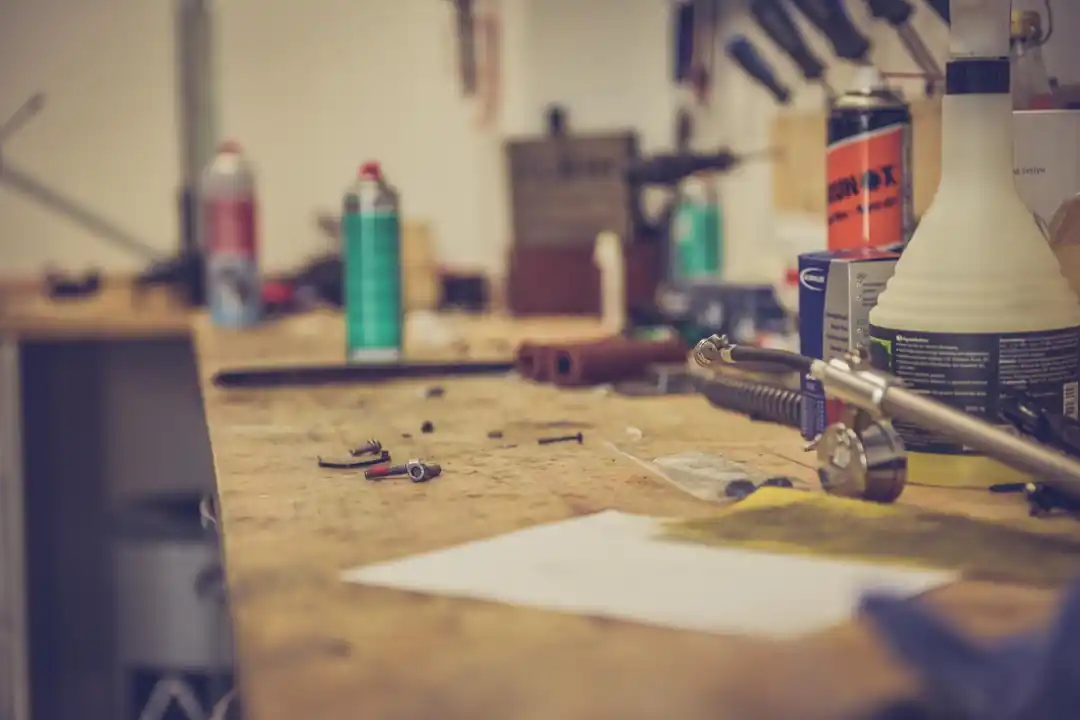
Finally, create a workspace that invites focus. You don't need a massive workshop; a quiet corner of a desk will do. Good lighting is crucial, as you'll be working with minuscule parts. I like to lay down a plain, light-colored cloth on my workspace. It prevents tiny pieces from bouncing away into oblivion and makes them easier to see. This is your sanctuary, the place where a simple bottle and a block of wood will transform into a miniature marvel.
The Assembly: Building for Collapse
Here’s where the real thinking comes in. You're not just building a model ship; you're building a ship that knows how to fold. You'll assemble the entire vessel outside of the bottle first, and every step is done with the bottle's narrow neck in mind. The hull itself will likely be pre-shaped in your kit, but you’ll still need to sand it and perhaps paint or stain it. This is your first connection to the project, feeling the wood take shape in your hands.
The masts are the heart of the trick. They aren't glued rigidly into place. Instead, you'll create tiny hinges at their base. This is often done by drilling a small hole through the bottom of the mast and the deck, then running a small pin or a piece of thread through it. This allows the masts to fold down flat, lying horizontally along the deck of the ship, ready for their journey through the bottle's neck. It’s a simple but brilliant piece of engineering.
With the masts hinged, you'll attach the sails and the rigging. This is the most intricate part of the process. The key is to attach long "control threads" to the top of each mast. These threads will run all the way from the top of the mast, through the various spars and booms, and out past the bowsprit (the pointy part at the front of the ship). These threads will be your lifeline, the invisible hands you'll use to raise the masts once the ship is inside. Leave them long—much longer than you think you need.
The Impossible Moment: Bottling Your Ship
Now, take a deep breath. This is the moment that defines the entire craft. Before you insert the ship, you need to prepare its "sea." Many builders use a special blue putty or clay, which you can push into the bottle and shape with your long-handled tools to look like waves. This not only looks great but also serves as the glue that will hold your ship in place.
With your sea ready, it's time to get the ship inside. Carefully fold the hinged masts down. They should lie flat against the deck, pointing toward the stern. Make sure all your control threads are free and untangled. Gently, holding the long control threads in one hand, you’ll slide the ship, stern-first, into the bottle. It’s a delicate procedure that requires a steady hand. Don't force it. If it gets stuck, gently pull it back and try again.
Once the hull is resting on your putty sea, the magic happens. Gently pull on the control threads. You will see the masts begin to lift, slowly rising from their folded position into a proud, upright stance. It is an incredibly satisfying moment, like watching a flower bloom in slow motion. Once the masts are fully erect, you'll use your long tools to apply a tiny dab of glue to secure the control threads to the bowsprit. Let everything dry completely, then use a sharp blade on a long handle to snip the excess threads. The illusion is complete. All that's left is to place the cork, sealing your tiny world away from the outside. You've done it.

Don't Wait for the Storm: A Pet Owner's Guide to Emergency Planning
Tornado Watch vs. Warning: It’s More Than Just Words

Related Posts
 HOBBIES
The Beginner's Guide to Reading the Night Sky: How to Spot Your First Constellations
A friendly, grounded guide to navigating the night sky, understanding stellar movements, and spotting iconic constellations without expensive gear.
 PETS
PETSSniffle-Free Snuggles: America's Most-Loved Hypoallergenic Dogs
Dreaming of a furry friend but dreading the sneezes? You're not alone. Let's dive into the wonderful world of popular hypoallergenic dog breeds in the US.

Popular Posts

Rethinking Non-Profit Promotion: Creative Strategies That Actually Drive Event Impact

Beyond Stark White: The Best Interior Paint Colors to Light Up Your New Space

The Simple Pre-Workout Fueling Strategy That Saved My Long Runs