Ready to ditch the sterile setup? Let's dive deep into creating a thriving, self-sustaining bioactive ecosystem for your large snake. It's easier than you think and the rewards are immense.
There’s a certain magic in watching a large snake move through a landscape that feels truly alive. For years, the standard for reptile keeping was a sterile environment: paper towels, a water bowl, and a plastic hide. It was functional, sure, but it always felt like something was missing. When I first ventured into the world of bioactive terrariums, it was a complete game-changer. The idea of creating a miniature, self-sustaining ecosystem right in my living room was intoxicating. It’s not just about making a pretty enclosure; it’s about providing a level of enrichment that a sterile setup simply can't match.
For large snakes—think boa constrictors, carpet pythons, or even larger species where space allows—a bioactive setup is more than just a luxury. It encourages natural behaviors like burrowing and climbing, helps maintain perfect humidity, and, honestly, it drastically cuts down on the dirty work for you. The initial setup requires a bit of research and effort, but the payoff is a stunning, low-maintenance habitat that is healthier for your snake and a beautiful piece of nature for you to enjoy. So, if you're ready to create a living work of art for your scaled companion, let's break down how to do it, step by step.
Laying the Foundation: Enclosure and Drainage
Before you can get your hands dirty with soil and plants, the most critical decision is the enclosure itself. For a large snake, you need space, and lots of it. A 4-foot by 2-foot by 2-foot enclosure is often cited as a minimum for many species, but for a bioactive system to truly thrive, bigger is always better. A larger footprint provides more stability for the ecosystem, more room for plants to establish deep roots, and a wider area for your clean-up crew to work their magic. PVC enclosures are a fantastic choice as they are excellent at retaining the heat and humidity that most large, tropical snakes require.
With your enclosure selected, the first layer you'll add is for drainage. This is a non-negotiable step. A proper drainage layer, or drainage void, prevents the substrate from becoming waterlogged, which can lead to root rot and a foul-smelling, anaerobic environment. I’ve seen beautiful setups fail because of this oversight. Materials like LECA (lightweight expanded clay aggregate), lava rock, or even simple pea gravel work wonderfully. You’ll want a layer about 2-4 inches deep. A crucial tip I learned is to rinse these materials thoroughly before adding them.
On top of your drainage layer, you must place a substrate barrier. This is typically a sheet of fine mesh, like window screen material or landscape fabric, cut to fit the exact dimensions of your enclosure. This barrier is what separates your drainage layer from the soil above it, preventing them from mixing while still allowing excess water to drain through freely. It’s a simple step that saves a world of future headaches.
The Heart of the Ecosystem: Substrate and Hardscape
Now we get to the good part—the living soil. Your substrate is far more than just dirt; it's a carefully crafted mix that will support plant life, house your beneficial microfauna, and hold the perfect amount of humidity. While you can buy pre-mixed bioactive substrates, creating your own is often more economical for a large enclosure and allows you to tailor the mix to your snake's specific needs. A great starting point for a tropical or subtropical setup is a blend of organic topsoil (make absolutely sure it contains no pesticides or chemical fertilizers), cypress mulch, sphagnum moss, and leaf litter.
I also like to mix in some orchid bark for chunkier aeration and a bit of activated charcoal. The charcoal helps to keep the soil "sweet" and provides more surface area for beneficial bacteria to colonize. The goal is a substrate that can hold moisture without becoming muddy or compacted. It should be deep enough—at least 4-6 inches—to allow plants to root and your snake to engage in some natural burrowing behavior.
Once the substrate is in, it's time to add the hardscape. These are the branches, cork bark tubes, and rocks that provide the structure of your terrarium. For a large snake, everything must be heavy-duty and secured. I can't stress this enough. A heavy-bodied snake can easily dislodge poorly placed items. I love using large cork bark flats and rounds to create hides and climbing surfaces. Ghostwood and Mopani wood are also excellent choices for creating a network of climbing branches. Think about creating a dynamic environment with multiple levels and plenty of secure hiding spots to make your snake feel safe.
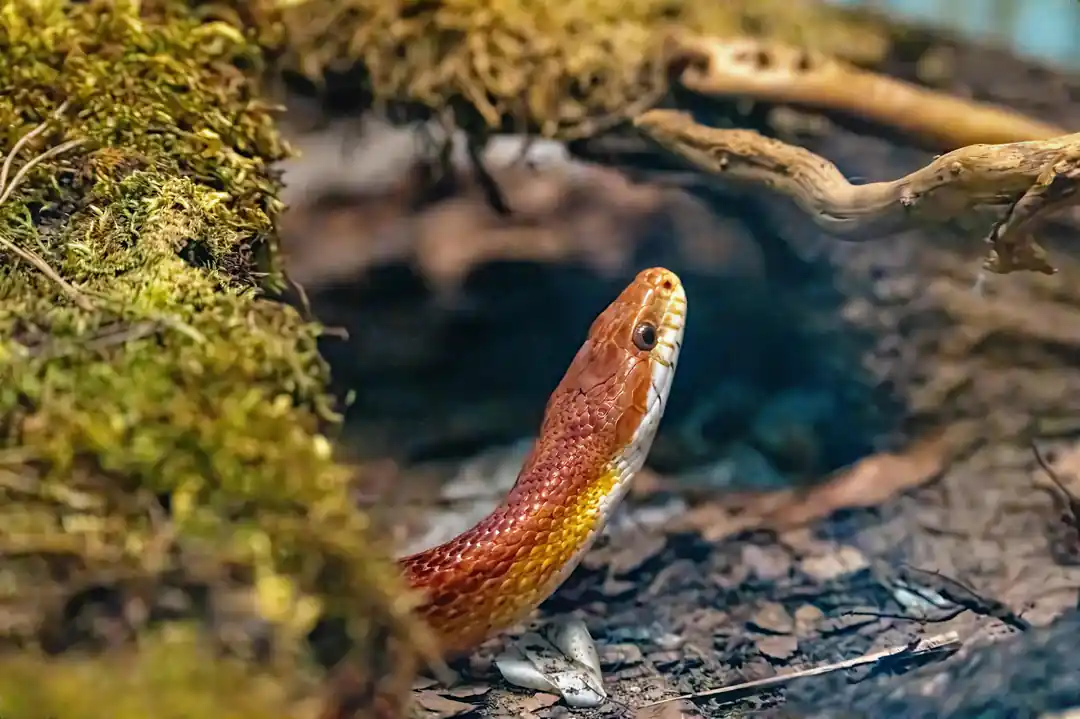
Bringing it to Life: Plants and the Clean-Up Crew
Choosing the right plants is where your research really pays off. You need plants that are, above all, non-toxic. But for a large snake, they also need to be incredibly durable. Delicate ferns and flowers, as beautiful as they are, will likely be crushed in a matter of days. My absolute favorite and one of the most recommended is the Snake Plant (Dracaena trifasciata). The irony is not lost on me. Its tall, stiff leaves are incredibly resilient. Pothos (Epipremnum aureum) is another champion, a fast-growing vine that will quickly cover your background and hardscape, creating a lush, jungle-like feel.
Other sturdy options include various species of Philodendron and the Cast Iron Plant (Aspidistra elatior). When you plant them, you can either place them directly into the substrate or keep them in their pots buried beneath the soil. Keeping them potted can make it easier to remove or replace them later without a major excavation. Remember to position them thoughtfully, creating dense areas of cover and open spaces for movement.
No bioactive terrarium is complete without its janitors—the clean-up crew (CUC). This team of invertebrates is what makes the system self-sustaining. They break down snake waste, shed skin, and any decaying plant matter, converting it into nutrients for the soil. The most common CUC for snake enclosures are various species of isopods (rolly-pollies) and springtails. For a large snake's enclosure, you'll want a robust species of isopod, like Porcellio scaber or Porcellionides pruinosus. It's a great idea to add a generous layer of leaf litter on top of your substrate, as this provides food and cover for your CUC, allowing them to establish a strong population before you introduce the snake.
Final Touches and Long-Term Harmony
With all the elements in place, the final step is to let the ecosystem mature. It's tempting to introduce your snake right away, but patience is key. Give the terrarium at least a month to cycle. This allows your plants to establish roots and your clean-up crew to multiply and spread throughout the enclosure. During this time, keep your heating and lighting running, mist as needed, and monitor your temperature and humidity gradients.
Once your little world is humming along, you can introduce your snake. The transition is often incredible to watch. You'll see your snake exploring, tasting the air, and interacting with its environment in ways you've likely never seen before. Long-term maintenance is minimal. You'll primarily be pruning plants, adding more leaf litter as it gets consumed, and of course, feeding your snake.
Building a bioactive terrarium is a deeply rewarding project. It’s a fusion of science and art that provides an unparalleled level of care for your animal. It’s a living, breathing system that evolves over time, and the connection you'll feel to this little slice of nature you've built is something truly special.

Journey into the Green Heart: The Best Amazon Rainforest Documentaries
Capturing Scales with Soul: A Guide to Ethical Reptile Photography
Related Posts
 HOBBIES
The Beginner's Guide to Reading the Night Sky: How to Spot Your First Constellations
A friendly, grounded guide to navigating the night sky, understanding stellar movements, and spotting iconic constellations without expensive gear.
 PETS
PETSSniffle-Free Snuggles: America's Most-Loved Hypoallergenic Dogs
Dreaming of a furry friend but dreading the sneezes? You're not alone. Let's dive into the wonderful world of popular hypoallergenic dog breeds in the US.

Popular Posts

Rethinking Non-Profit Promotion: Creative Strategies That Actually Drive Event Impact

Beyond Stark White: The Best Interior Paint Colors to Light Up Your New Space

How to Actually Master a New Language on Your Own (No Magic Gene Required)
