Ever stood in a roaring crowd and wondered how the magic happens? We're pulling back the curtain on the high-stakes world of tour planning and finance.
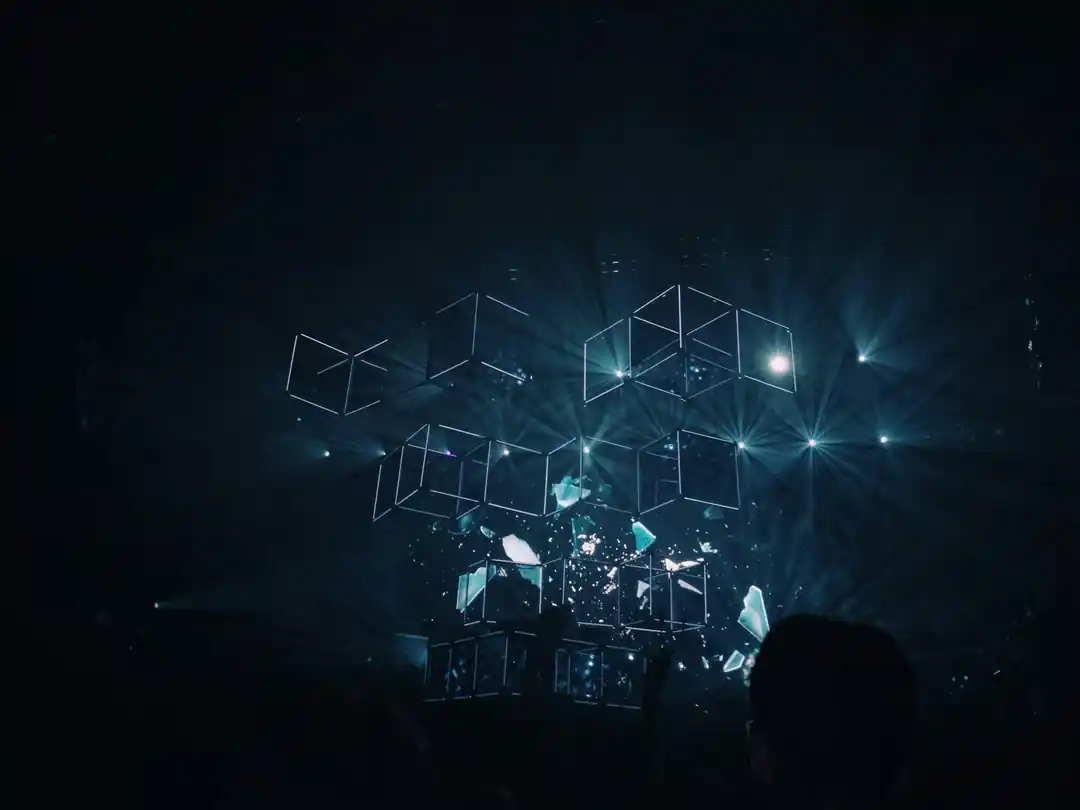
Have you ever stood in a roaring crowd, the bass thrumming in your chest, as your favorite artist takes the stage under a cascade of perfectly timed lights? There’s a unique kind of magic in that moment. It feels spontaneous, electric, and deeply personal. But behind that two-hour spectacle is a sprawling, year-long operation of logistics, high-stakes finance, and mind-boggling coordination that would make a military general sweat. Honestly, the fact that these massive, city-hopping productions happen at all is a modern marvel.
I used to think it was simple: a band decides to play, they book a few venues, and we all show up. The reality, I've learned, is a dizzying world of promoters, agents, production managers, and financial models that are as complex as any Wall Street investment. The global live music industry is a multi-billion dollar machine, and touring is its primary engine. Especially now, in an age where streaming dominates music consumption, the live show is where the real connection—and the real money—is made. So, how does this incredible machine actually work?
The Dream Weavers: Assembling the Tour's Core Team
Long before the first ticket is sold, a tour begins as a conversation. It starts with the artist and their manager, the person who acts as the CEO of the artist's career. They map out the big picture: Is this tour to support a new album? Is it a legacy tour to celebrate a catalog of hits? The goals they set here will dictate every subsequent decision. They are the initial architects, dreaming up the emotional journey they want to share with the fans.
Once the vision is set, the artist's agent steps in. Think of the agent as the master dealmaker. Their job is to connect with promoters around the world—the real financial powerhouses of the touring world. In the US, this landscape is dominated by giants like Live Nation and AEG Presents. The promoter is the entity that takes on the monumental financial risk, offering the artist a guaranteed fee or a percentage of the profits in exchange for the rights to the show. They are essentially the tour's investors, betting millions that they can fill the seats.
This negotiation is a delicate dance. The promoter analyzes an artist's past ticket sales, streaming numbers, and social media engagement to project potential revenue. They work with the agent to strategically route the tour, piecing together a schedule that makes logistical and financial sense. It's a puzzle of balancing venue availability, travel time, and market demand, all while trying to build a tour that feels like a cohesive, exciting event for the public.
The Financial Tightrope: Costs vs. Revenue
Let's talk about money, because a major tour is an incredibly expensive undertaking. The costs are staggering. You have the artist's fee, which is the largest single expense. Then there's the production: the lights, the sound system, the video screens, the stage itself. For a top-tier artist, this can cost hundreds of thousands of dollars per day. You have to transport all this gear in a fleet of semi-trucks and move a crew of 50-100 people (or more) on tour buses. Add in salaries, insurance, catering, venue rental fees, and marketing costs, and you can see how the budget quickly balloons into the tens of millions.
So, where does the money come from to cover all this? Ticket sales are the obvious answer, but they are just one piece of the pie. In fact, after the venue, the promoter, and various fees take their cut, the artist might only see a fraction of the ticket's face value. This is why ancillary revenue is absolutely critical. Merchandise—the t-shirts, hoodies, and posters sold at the venue—is a huge profit center, often bringing in more direct profit for the artist than the tickets themselves.
Then there are sponsorships. Brands pay enormous sums to have their logos associated with a tour, hoping to connect with the artist's dedicated fanbase. VIP packages have also become a standard part of the model, offering fans premium seating, exclusive merchandise, or even a meet-and-greet for a significantly higher price. It’s a complex financial ecosystem designed to maximize revenue at every turn, ensuring that the massive initial investment pays off.
The Rolling City: Logistics of Life on the Road
Once the deals are signed and the budget is set, the tour becomes a moving city. At the helm is the tour manager, the on-the-ground commander-in-chief responsible for everything and everyone. They make sure the buses are on time, the hotel rooms are booked, the daily schedules are met, and any and all crises are handled. They are the ultimate problem-solvers, ensuring the well-oiled machine keeps running smoothly from city to city.
Working in tandem is the production manager. This person is responsible for the show itself—the technical spectacle. They oversee the army of specialized technicians: the lighting director who "paints" the stage with color, the sound engineers who ensure every note is crystal clear, and the backline techs who keep the instruments in perfect working order. Every day, this team unloads trucks, builds the entire stage production, runs the show, and then tears it all down overnight, only to do it again in the next city. It's a grueling, physically demanding job that requires incredible precision and teamwork.
This rolling city operates on a rhythm of its own, largely unseen by the audience. The load-in begins in the early morning, soundcheck happens in the afternoon, and by the time the doors open, the venue has been completely transformed. It’s a testament to the dedication of the crew—the unsung heroes of every concert—that this monumental task is accomplished night after night with such flawless execution.
It’s a world away from the effortless magic we see on stage. The next time you find yourself lost in a live performance, take a moment to think about the incredible journey it took to get there. From the initial dream in an artist's mind to the final, thunderous applause, a major concert tour is one of the most complex and impressive feats of human collaboration. It’s a high-wire act of art and commerce, and its success is a victory for everyone involved, most of all, for the fans.
The Unseen Threads: Weaving Economic Prosperity in Sanctuary Cities
Beyond Sudoku: Real Exercises to Sharpen Your Mind

Related Posts
 BUSINESS
Rethinking Non-Profit Promotion: Creative Strategies That Actually Drive Event Impact
Discover modern, research-backed strategies for promoting non-profit fundraisers, from experiential marketing to hyper-local micro-influencers and cross-sector partnerships.
 BUSINESS
Is the TV Ad Dead? A Deep Dive into Cost and Effectiveness in 2024
In an age of streaming and scrolling, is a TV commercial still a smart bet for brands? We're breaking down the real costs and surprising effectiveness of television advertising today.

Popular Posts
Rethinking Non-Profit Promotion: Creative Strategies That Actually Drive Event Impact

Beyond Stark White: The Best Interior Paint Colors to Light Up Your New Space

The Simple Pre-Workout Fueling Strategy That Saved My Long Runs