Tossing and Turning by the Light of the Moon? You’re Not Just Imagining It
We've all had those nights of restless sleep, only to see a full moon outside. It turns out science has a few things to say about why the lunar cycle might be messing with our sleep more than we think.
Have you ever laid in bed, absolutely exhausted, yet completely unable to drift off? You count sheep, you try deep breathing, you flip your pillow to the cool side for the tenth time, and still, nothing. Then, you glance out the window and see it: a brilliant, full moon hanging in the sky like a giant celestial spotlight. It’s a scenario many of us have experienced, often brushing it off as a coincidence or simple folklore. For centuries, people have blamed the moon for everything from erratic behavior to poor sleep. Honestly, I was skeptical for a long time, filing it away with other old wives' tales.
But the more I talked to friends and the more I paid attention to my own sleep patterns, the more I started to wonder if there was something to it. It felt too consistent to be a complete accident. Was it just the extra light? Or was something deeper going on, some invisible thread connecting our bodies to that distant rock in the sky? It turns out, scientists have been asking the same questions. And while the answer isn't as simple as "the moon makes you sleepless," the research they're uncovering is pretty compelling. It suggests that our ancient, primal connection to the lunar cycle might still be influencing our rest in the modern world.
The Science of a Sleepless Night
It’s one thing to anecdotally blame the moon, but it’s another to see it in a controlled lab setting. That’s exactly what a group of Swiss researchers did in a landmark study. They monitored a group of volunteers in a sleep lab with no windows, completely cut off from any knowledge of the time of day or the phase of the moon. What they found was fascinating. Around the full moon, participants took, on average, five minutes longer to fall asleep. Not only that, but their total sleep time was reduced by about 20 minutes.
But here’s where it gets really interesting. The quality of their sleep changed, too. Brain activity scans showed a 30% reduction in deep, non-REM sleep—the restorative stage where our bodies and minds do most of their healing and memory consolidation. Participants also had lower levels of melatonin, the key hormone that governs our sleep-wake cycles. Because they were in a completely dark, controlled environment, the effect couldn't be blamed on the brightness of the moon. It pointed to something else, an internal biological clock ticking in time with the lunar cycle.
This concept of a "circalunar rhythm" is a game-changer. We’re all familiar with our 24-hour circadian rhythm, which is tied to the sun. But the idea that we might also have a roughly 29.5-day clock hardwired into our biology is a profound thought. It suggests that even with all our artificial lights and modern schedules, a part of us is still in sync with the ancient, natural rhythms of the planet. It’s a humbling reminder that we’re not as removed from the natural world as we sometimes think.
It’s Not Just the Full Moon
While the full moon gets most of the attention, its effects might not be the only part of the cycle that matters. Some studies have shown that the new moon—when the moon is invisible in the sky—can also impact sleep, though often in the opposite way. One study found that people tended to sleep longer and more soundly during the new moon. It’s as if our bodies are taking advantage of the darkest nights to get the deepest rest.
Furthermore, the influence isn't always symmetrical. Some research indicates that men and women might experience the lunar effect differently. One study found that men had poorer sleep quality and more interruptions during the full moon, while women’s sleep seemed less affected. The reasons for this are still being explored, but it highlights the complexity of our biology.
So, what can you do with this information? You can’t exactly change the moon’s orbit. But you can start to work with your body’s natural inclinations. If you know you’re sensitive to the lunar cycle, you can treat the days around the full moon with a little extra care. This is a perfect time to double down on your sleep hygiene. Maybe that means turning off screens an hour earlier, taking a warm bath with Epsom salts, or doing some gentle stretching before bed. It’s about giving your body the support it needs when it’s naturally more prone to restlessness.
Embracing the Rhythm
At the end of the day, the science on lunar cycles and sleep is still an emerging field. Not every study agrees, and the effects, while measurable, are often subtle. But for those of us who have felt that undeniable pull, it’s validating to know that there’s a real biological basis for it. It’s a beautiful and slightly mysterious connection to the natural world that persists even in our brightly lit, fast-paced lives.
Perhaps the best takeaway is simply a greater sense of awareness. By paying attention to the lunar calendar and your own sleep patterns, you might uncover a rhythm you never knew existed. You can use an app or a simple journal to track your sleep quality alongside the moon phases. You might find that you’re more sensitive during certain times of the month, and that knowledge is power. It allows you to be proactive, to nurture your rest, and to approach those potentially sleepless nights with a sense of understanding rather than frustration.
So next time you find yourself staring at the ceiling, maybe take a moment to look outside. Acknowledging that silent, glowing orb in the sky isn’t about giving in to superstition; it’s about honoring a deep and ancient part of yourself. And in that moment of connection, you might just find the peace you need to finally drift off.
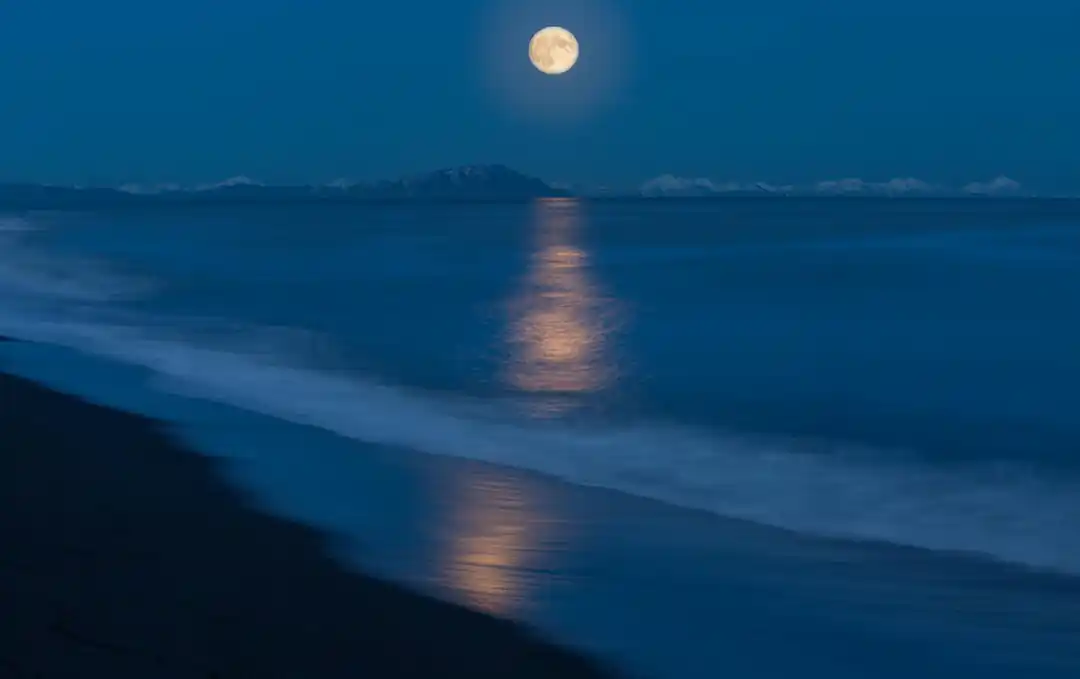
Can't Sleep During a Full Moon? You're Not Alone
Forget the White Dot: How to Actually Photograph the Full Moon With Your Smartphone
Related Posts
 HOBBIES
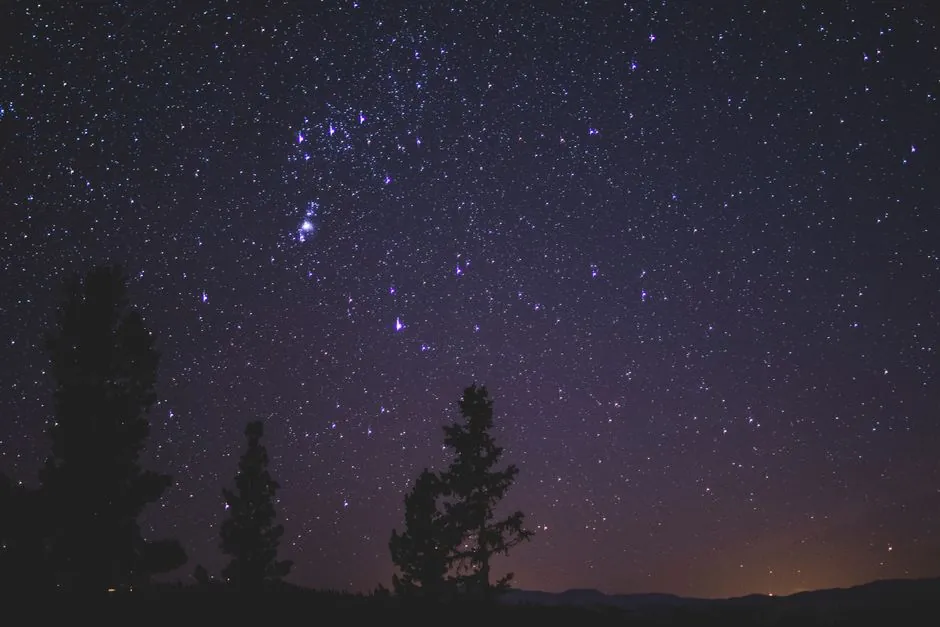
The Beginner's Guide to Reading the Night Sky: How to Spot Your First Constellations
A friendly, grounded guide to navigating the night sky, understanding stellar movements, and spotting iconic constellations without expensive gear.
 PETS
PETSSniffle-Free Snuggles: America's Most-Loved Hypoallergenic Dogs
Dreaming of a furry friend but dreading the sneezes? You're not alone. Let's dive into the wonderful world of popular hypoallergenic dog breeds in the US.

Popular Posts

Rethinking Non-Profit Promotion: Creative Strategies That Actually Drive Event Impact

Beyond Stark White: The Best Interior Paint Colors to Light Up Your New Space

How to Actually Master a New Language on Your Own (No Magic Gene Required)
