Ever watch the price of gold and wonder what makes it tick? It's not random. We're diving into the key economic signals that tell us where the precious metal might be heading next.
There’s a certain gravity to gold, isn’t there? It feels ancient, substantial, and frankly, a little mysterious. For centuries, it’s been the ultimate symbol of wealth, but its role in the modern world is far more complex. I used to see its price swings as something completely detached from my daily life, a number on a screen that only mattered to day traders and dragons hoarding treasure. But the more I paid attention, the more I realized that gold is like an economic barometer, reacting in real-time to the health of our financial systems.
Honestly, trying to understand its movements can feel like learning a new language. You hear snippets on the news about inflation, interest rates, and the dollar, and somehow, it all connects back to this shimmering metal. It’s a puzzle. But once you start to piece it together, you see that it’s not just random noise. There's a fascinating, intricate dance between gold and the major economic indicators that define our world. It’s a story of fear, confidence, and the timeless human search for security.
The Great Inflation Hedge
This is the classic story everyone tells about gold, and for good reason. When the value of money starts to feel a little… diluted, people get nervous. Think about it: if the dollar in your pocket buys less gas or fewer groceries than it did last year, that’s inflation at work. In these moments, investors often look for a safe harbor, something tangible that can’t be printed into oblivion by a central bank. Gold has traditionally been that safe harbor.
The logic is pretty straightforward. As the purchasing power of fiat currencies like the U.S. dollar declines, the price of gold, when measured in those same dollars, tends to rise. It’s not just a gut feeling; it’s a calculated move to preserve wealth. When your cash is losing value, holding an asset that is recognized globally as a store of value becomes incredibly appealing. This is why you’ll often see a surge in demand for gold during periods of high or rising inflation.
But it goes a little deeper than just that. The real magic word here is "real interest rates." This is what you get when you subtract the inflation rate from the interest rate on a bond or savings account. If real rates are low or even negative (meaning inflation is higher than the interest you’re earning), holding cash or bonds means you’re actively losing purchasing power. In that environment, an asset like gold, which pays no interest, suddenly becomes much more attractive. The opportunity cost of holding it disappears, making it a star player when money itself is losing its edge.
The Tug-of-War with Interest Rates
If inflation is gold’s best friend, then high interest rates are its rival. This relationship is one of the most powerful forces affecting the price of gold. Because gold is a non-yielding asset—it doesn’t pay dividends or interest—it has to compete for attention with investments that do, like government bonds. When the Federal Reserve raises interest rates, those bonds become more attractive. Why hold a lump of metal when you can get a guaranteed, risk-free return from a U.S. Treasury bond?
This creates a direct tug-of-war. As interest rates climb, the opportunity cost of holding gold increases. Investors, especially large institutional ones, may be tempted to sell their gold and move that capital into higher-yielding assets. This selling pressure can cause the price of gold to drop. It’s a simple matter of competition; when other safe assets start paying you for holding them, gold’s static nature becomes a temporary disadvantage.
Conversely, when the Fed cuts interest rates to stimulate the economy, the opposite happens. The yields on bonds fall, making them less appealing. Suddenly, gold’s lack of yield is no longer a weakness, because its main competitor isn’t offering much of a return either. This is often when you see money flow back into gold, pushing its price higher as investors seek refuge from a low-yield environment. Watching the Fed’s announcements is a critical part of understanding gold’s next move.
The Dollar's Dance
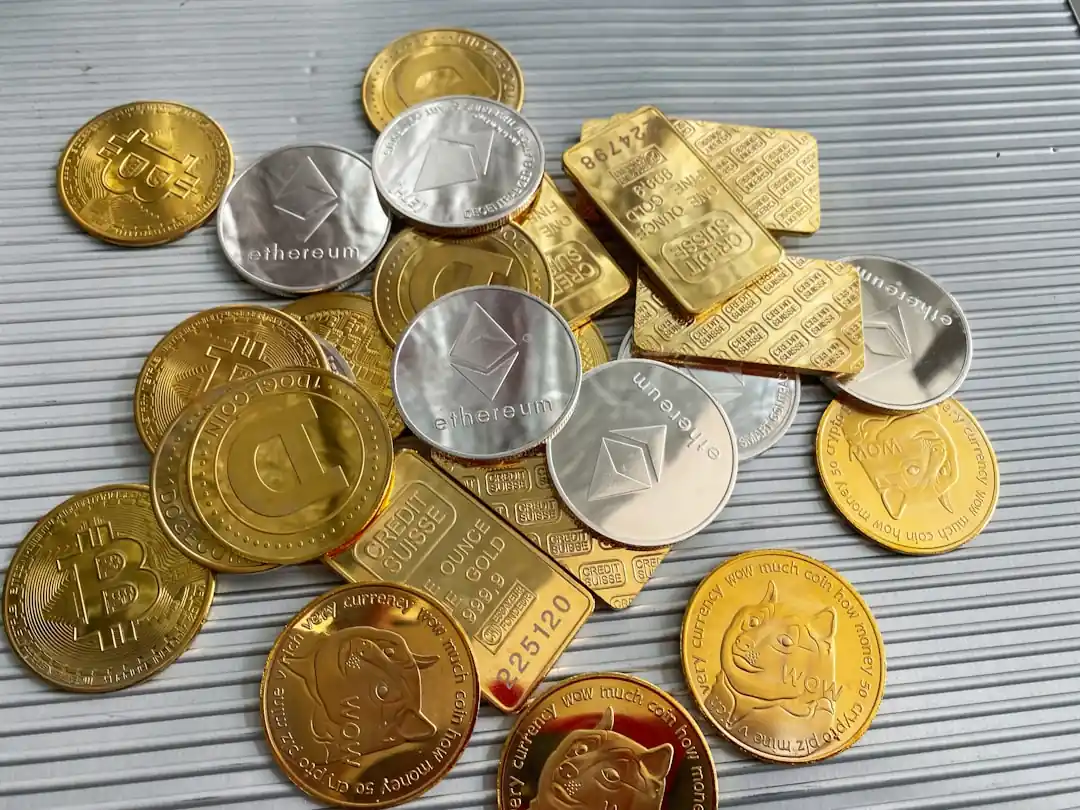
Because gold is priced in U.S. dollars on the international market, its value is intrinsically linked to the strength of the dollar itself. This creates a fascinating inverse relationship that plays out on the world stage every single day. When the U.S. dollar gets stronger compared to other currencies, it takes fewer dollars to buy an ounce of gold. This can put downward pressure on the price. For a buyer in Japan or Europe, a stronger dollar makes gold more expensive in their local currency, which can dampen demand.
On the other hand, when the U.S. dollar weakens, gold tends to shine. A weaker dollar means it takes more dollars to purchase an ounce of gold, pushing its price up. For that same international buyer, a weak dollar is a discount. They can convert their yen or euros into more dollars, making gold cheaper and more attractive. This can lead to increased demand from outside the U.S., helping to bid the price up.
This dynamic is why you’ll often hear gold analysts talking about the U.S. Dollar Index (DXY). It’s a measure of the dollar's strength against a basket of other major currencies, and it’s a key indicator for gold traders. While there are exceptions, the general rule holds true: a weak dollar is often a tailwind for gold, while a strong dollar is a headwind.
A Barometer of Fear and Uncertainty
Beyond the hard numbers of inflation and interest rates, gold has another, more emotional role: it’s a safe-haven asset. When geopolitical tensions flare up, when markets get volatile, or when there’s a general sense of economic dread, investors often flee to the perceived safety of gold. It’s a flight to quality, a move to protect wealth when other assets seem risky. Think of it as financial comfort food.
This isn’t just about individual investors, either. Central banks around the world are some of the biggest holders of gold. They keep vast reserves to diversify their assets and provide stability for their own currencies. In recent years, we’ve seen a significant trend of central banks, particularly in emerging markets, increasing their gold holdings. This provides a strong, steady source of demand that acts as a floor for the gold price.
When you see gold prices hitting new highs, it’s often a sign that there’s significant fear in the system. It could be worries about a looming recession, a trade war, or military conflict. Gold’s price becomes a reflection of our collective anxiety. It’s a silent, gleaming indicator of the world’s geopolitical and economic health. In a world of digital assets and complex derivatives, there’s something deeply reassuring about the tangible, historical weight of gold. It has weathered empires, wars, and financial crises, and that enduring legacy is precisely what gives it its ultimate value.

Beyond the Postcards: Unearthing Arizona's True Hidden Gems
Gold's Golden Age: A Deep Dive into Historical Price Trends
Related Posts
 BUSINESS
Rethinking Non-Profit Promotion: Creative Strategies That Actually Drive Event Impact
Discover modern, research-backed strategies for promoting non-profit fundraisers, from experiential marketing to hyper-local micro-influencers and cross-sector partnerships.
 BUSINESS
Is the TV Ad Dead? A Deep Dive into Cost and Effectiveness in 2024
In an age of streaming and scrolling, is a TV commercial still a smart bet for brands? We're breaking down the real costs and surprising effectiveness of television advertising today.

Popular Posts
Rethinking Non-Profit Promotion: Creative Strategies That Actually Drive Event Impact

Beyond Stark White: The Best Interior Paint Colors to Light Up Your New Space

How to Actually Master a New Language on Your Own (No Magic Gene Required)
