Wondering how to give your child a real-world boost? It might be simpler than you think. Let's explore the powerful, brain-building magic of hobbies.
It feels like just yesterday I was navigating the world of toddler activities, convinced that every moment needed to be scheduled and educational. We had library story time, music class, and a color-coded chart for sensory play. Honestly, it was exhausting. I thought I was giving my kids the best start, but I began to wonder if I was leaving any room for them to just be. To discover something on their own, fall in love with it, and pursue it simply for the joy of it.
That’s when I started to really look into the power of hobbies. Not as another to-do list item, but as a fundamental pillar of child development. A hobby isn't just something to keep a child busy; it's a voluntary, joyful pursuit that offers a unique space for growth without the pressure of performance. It’s where they learn resilience after a wobbly LEGO tower collapses, where they build confidence by finally mastering a new chord on the guitar, and where they find their voice, sometimes without speaking a word.
The amazing thing is that these benefits aren't just anecdotal. Research consistently shows that engaging in hobbies helps children develop crucial physical, social, and cognitive skills. It’s a secret weapon for building a well-rounded, happy human, and it often starts with something as simple as a box of crayons, a patch of dirt in the garden, or a set of old pots and pans.
The Builders and Creators: Engineering Future-Ready Skills
In a world that’s becoming more and more driven by technology, hobbies that involve building and creating are more than just fun—they're foundational. When a child gets lost in a set of LEGOs, Magna-Tiles, or even simple wooden blocks, they are doing far more than just stacking objects. They are acting as engineers, architects, and problem-solvers, all from the comfort of the living room floor. This kind of play is a hands-on lesson in physics, geometry, and spatial reasoning.
Think about it: they have to consider balance, symmetry, and structural integrity. They learn cause and effect when a poorly planned tower comes crashing down, and they develop resilience and patience as they start over, armed with new knowledge. This process of trial and error is a powerful teacher. It fosters a growth mindset, teaching them that failure isn't an endpoint, but a crucial part of the learning process.
This category also includes modern hobbies like coding or robotics. With kid-friendly platforms like Scratch or LEGO Mindstorms, children can learn the basics of programming in a way that feels like a game. They create stories, design animations, and see their code come to life in a tangible way. These activities don't just teach them technical skills; they sharpen their logical thinking, planning abilities, and attention to detail, all while empowering them to become creators, not just consumers, of technology.
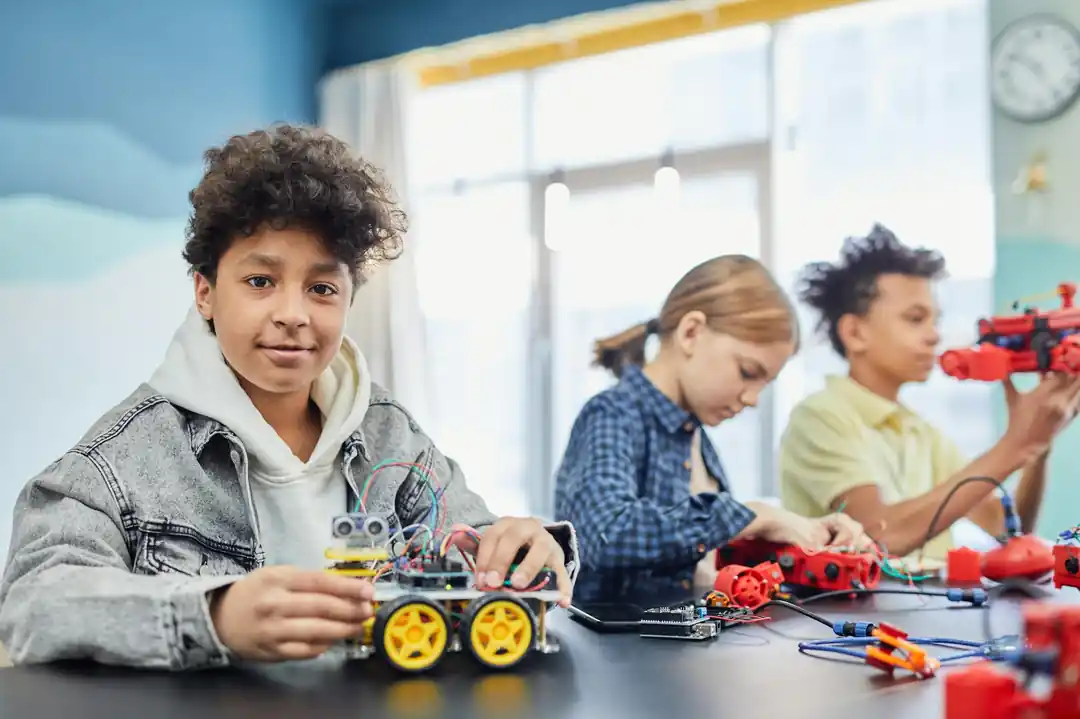
The Artists and Storytellers: Nurturing Emotional Intelligence
While some hobbies build outward structures, others build incredibly rich inner worlds. Creative pursuits like drawing, painting, playing a musical instrument, or even just telling stories are vital for a child's emotional and cognitive development. When a child picks up a paintbrush, they’re not just learning about colors and shapes; they’re finding a new language to express feelings and ideas that they might not have the words for yet.
Art provides a safe and powerful outlet for emotion. A dark, stormy painting might be their way of processing a sad day, while a vibrant, chaotic splash of colors could be pure joy. This act of translating feeling into form helps develop self-awareness and emotional regulation. It’s a quiet, reflective process that can be incredibly calming and centering in a world that often feels loud and overwhelming.
Similarly, learning a musical instrument is a masterclass in discipline, perseverance, and delayed gratification. It’s a journey of small, incremental successes that build upon each other, fostering a deep sense of accomplishment and confidence. And let's not forget the power of storytelling. Encouraging a child to make up their own tales, whether through writing, puppetry, or dramatic play, builds crucial language skills, enhances memory, and cultivates empathy as they step into the shoes of different characters.
The Movers and Shakers: Developing Body and Brain
In our screen-filled lives, physical hobbies are more important than ever. Activities that get the body moving—like team sports, dance, martial arts, or even hiking—are essential for developing gross motor skills, coordination, and overall physical health. But the benefits go far beyond the purely physical. When children engage in these activities, they are also building powerful connections in their brains.
Team sports, for example, are a fantastic training ground for social skills. Children learn to cooperate, communicate, and work towards a common goal. They learn about sportsmanship—how to win with grace and lose with dignity. They navigate disagreements with teammates and learn to respect coaches and referees. These are complex social dynamics that provide invaluable life lessons in a structured, supervised environment.
Even individual physical pursuits offer profound benefits. Martial arts teaches discipline, focus, and respect. Dance combines athleticism with artistic expression, building both strength and creativity. Simply spending time outdoors, whether it's climbing a tree or tending to a small garden, connects children to the natural world, reduces stress, and has been shown to improve concentration. These hobbies remind us that the mind and body are deeply connected, and nurturing one often means nurturing the other.
As you explore these ideas, the most important thing is to follow your child's lead. The most beneficial hobby is the one they are genuinely passionate about. Our role isn't to create a mini-me or to force an interest, but to provide a buffet of opportunities and see what makes their eyes light up. That spark of genuine curiosity is the fuel for all the incredible development that follows.

Tiny Toes, Furry Friends: A Guide to Safely Introducing Pets to Your New Baby
The Secret to a Happy Toddler? It's Probably Already in Your Kitchen.
Related Posts
 HOBBIES
The Beginner's Guide to Reading the Night Sky: How to Spot Your First Constellations
A friendly, grounded guide to navigating the night sky, understanding stellar movements, and spotting iconic constellations without expensive gear.
 PETS
PETSSniffle-Free Snuggles: America's Most-Loved Hypoallergenic Dogs
Dreaming of a furry friend but dreading the sneezes? You're not alone. Let's dive into the wonderful world of popular hypoallergenic dog breeds in the US.
Popular Posts

Rethinking Non-Profit Promotion: Creative Strategies That Actually Drive Event Impact

Beyond Stark White: The Best Interior Paint Colors to Light Up Your New Space

How to Actually Master a New Language on Your Own (No Magic Gene Required)
