Stepping Through Time: The Enduring Historical Charm of Brignoles, France
Ever feel the pull of a place that seems to whisper stories from centuries past? Let's wander off the beaten path in Provence to uncover the quiet, historical treasures of Brignoles.
There’s a certain kind of magic you only find in towns that have quietly watched centuries unfold. It’s not the loud, in-your-face history of major capitals, but something more subtle, more intimate. This is the feeling that washes over you in Brignoles, a sun-drenched town nestled in the heart of Provence, France. I’ll be honest, before a friend recommended it, I had my eyes set on the more famous coastal spots. But I'm so glad I took the detour.
Brignoles doesn't shout about its past; it lets you discover it at your own pace. It’s in the worn cobblestones under your feet, the faded colors of window shutters, and the cool, silent air of a centuries-old church. It’s a place that reminds you that history isn’t just about grand monuments; it’s about the continuation of life in a setting that has remained largely unchanged. It’s a town that feels less like a tourist destination and more like a well-kept secret you’ve been lucky enough to be let in on.
The Palace of the Counts of Provence: A Medieval Stronghold
You can't talk about Brignoles without starting at its heart: the Palais des Comtes de Provence. This isn't just a building; it's a formidable stone fortress that has stood as the town's centerpiece since the 11th century. For years, it served as the summer residence for the Counts of Provence, and you can almost feel the weight of that history as you stand before it. Its sheer presence is a powerful link to a medieval past filled with nobility, intrigue, and the grand sweep of regional politics.
Today, the palace has found a new purpose, housing the Musée du Pays Brignolais (The Museum of the Brignoles Region). This is where the story of the area truly comes to life. I spent a good couple of hours in here, completely captivated. The collection is wonderfully eclectic, ranging from ancient Roman artifacts unearthed nearby to traditional Provençal furniture and art. One of the most stunning pieces is a 3rd-century sarcophagus, which is considered one of the most important early Christian sculptures in existence. Seeing something that old, that tangible, really puts time into perspective.
What I love most is how the museum uses the palace itself as a canvas. You’re not just looking at exhibits in sterile rooms; you’re wandering through vaulted chambers and grand halls where the counts themselves once lived and held court. It’s an immersive experience that connects you directly to the lives and stories that have soaked into the very stones of the building for nearly a thousand years.
A Labyrinth of Time: The Old Town
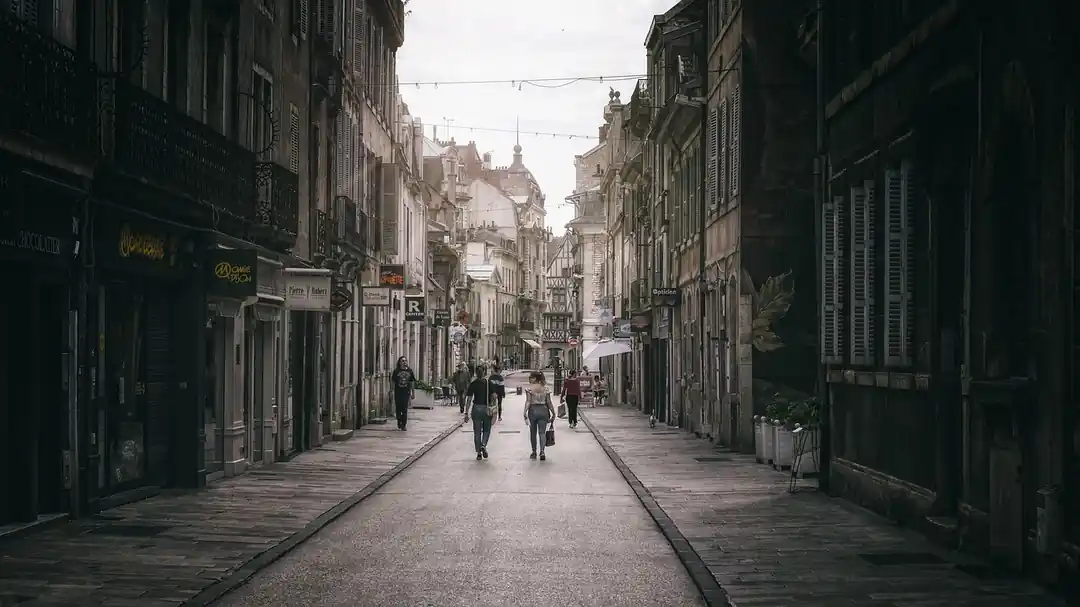
Once you leave the palace, the best thing you can do is simply get lost. The medieval old town (vieux centre) of Brignoles is a delightful labyrinth of narrow, winding streets that feel a world away from modern life. The houses, painted in warm ochres and soft pastels, lean towards each other as if sharing secrets. It’s here, in these quiet lanes, that the true character of Brignoles reveals itself.
Take your time. Notice the little details: an intricately carved wooden door from the 16th century, a hidden courtyard overflowing with flowers, or a small, unassuming fountain that has provided water for generations. These aren't signposted attractions; they are just part of the living fabric of the town. I found myself constantly stopping to take photos, trying to capture the simple, rustic beauty of it all.
This part of town is a photographer's dream, but it's also a place for quiet contemplation. It’s a chance to disconnect from the hustle and bustle and just… be. To walk the same paths that have been walked for centuries and to feel a part of that long, unbroken chain of history. It’s a profoundly peaceful and humbling experience.
Echoes of Faith: The Church of St. Sauveur
Tucked within the old town is the Église Saint-Sauveur (Church of St. Sauveur), a building that beautifully illustrates the layers of history in Brignoles. Its foundations are Romanesque, dating back to the 11th or 12th century, but it has been added to and altered over the centuries, resulting in a fascinating blend of architectural styles. The main doorway, a stunning example of Romanesque art, is a designated historical monument in its own right.
Stepping inside is like entering a sanctuary of peace. The air is cool and still, a welcome respite from the Provençal sun. The light filters softly through the stained-glass windows, illuminating centuries of faith and devotion. It’s not a massive, overwhelming cathedral, but a more intimate space that feels deeply connected to the community it serves.
Whether you are religious or not, there is a palpable sense of history and reverence here. It’s a place to sit for a few moments in quiet reflection, to admire the craftsmanship of artisans from long ago, and to appreciate the enduring role that faith has played in the life of this ancient town. It stands as a testament to the spiritual heart that has beaten in Brignoles for centuries.
Thinking back on my time there, Brignoles feels like a gentle reminder to slow down. It’s a town that proves you don’t need grand monuments on every corner to have a rich and compelling history. Sometimes, the most memorable journeys are the ones that lead you down a quiet, sunlit alley, to a past that’s still very much alive.
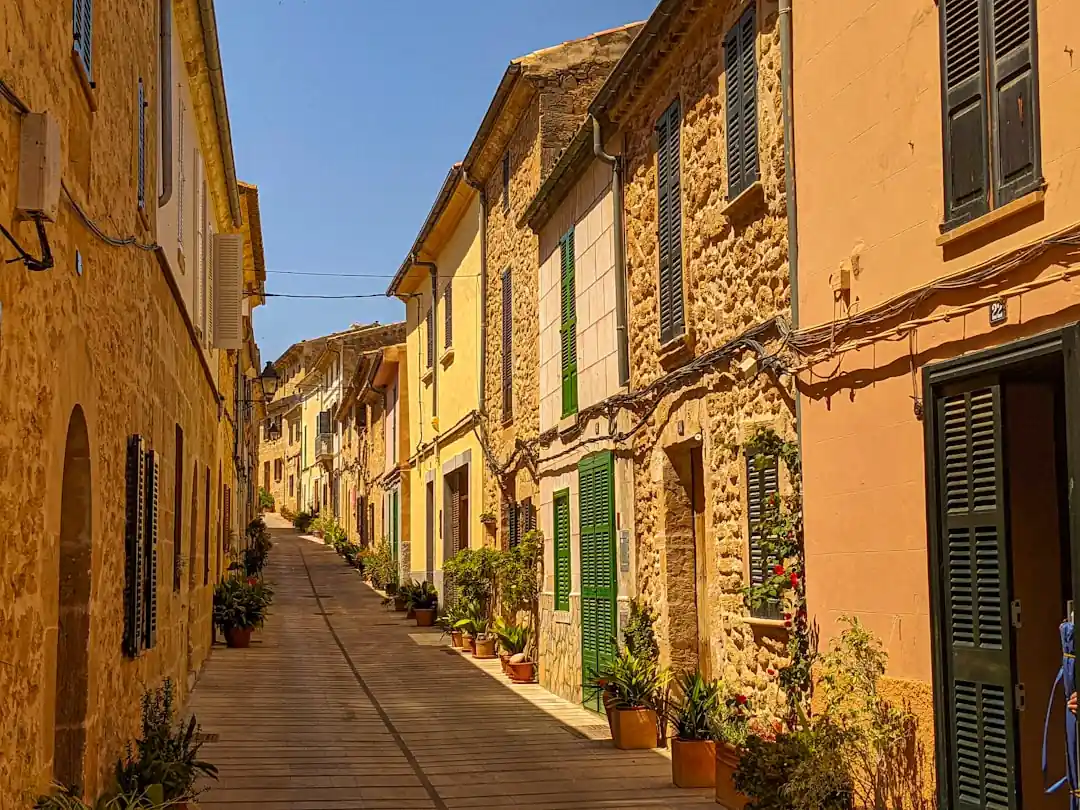
A Wanderer's Guide to the Soul of Provence: Exploring its Most Enchanting Small Towns
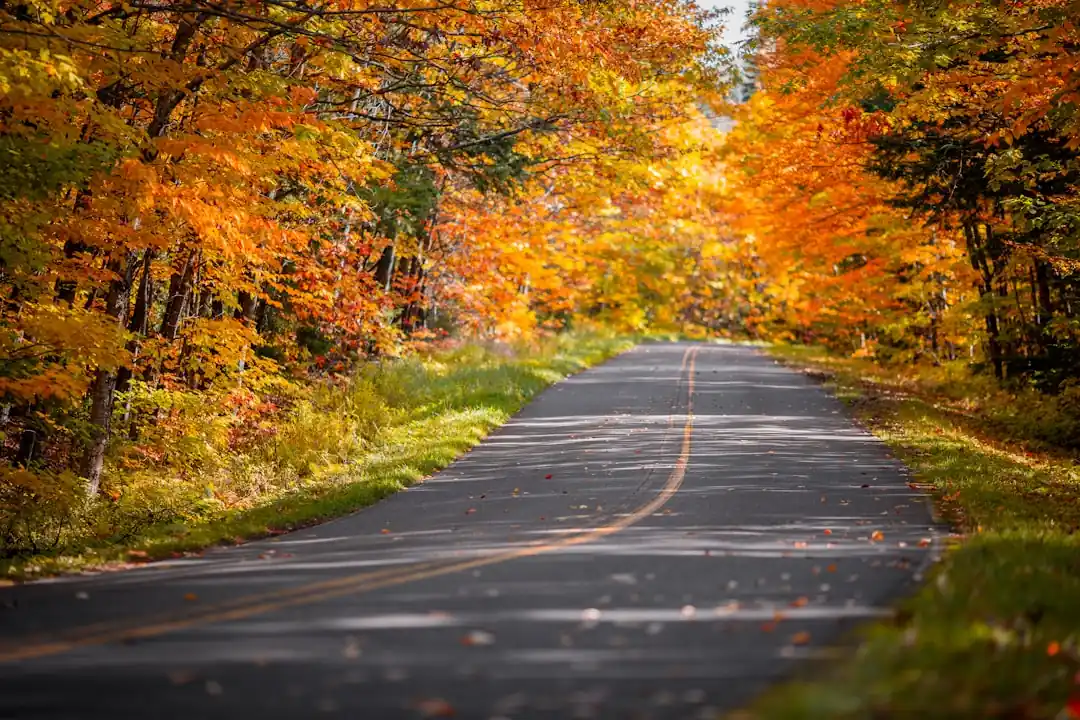
Chasing Gold: The Ultimate Guide to Fall Color Drives Near Marquette, Michigan
Related Posts
 TRANSPORT
Beyond the Highway: Finding Canada's Soul on a Western Rail Adventure
Forget road trips. I'm talking about rediscovering the romance of travel on Via Rail's most scenic routes through the heart of the Canadian West. It’s an experience that changes you.
 TRAVEL TIPS
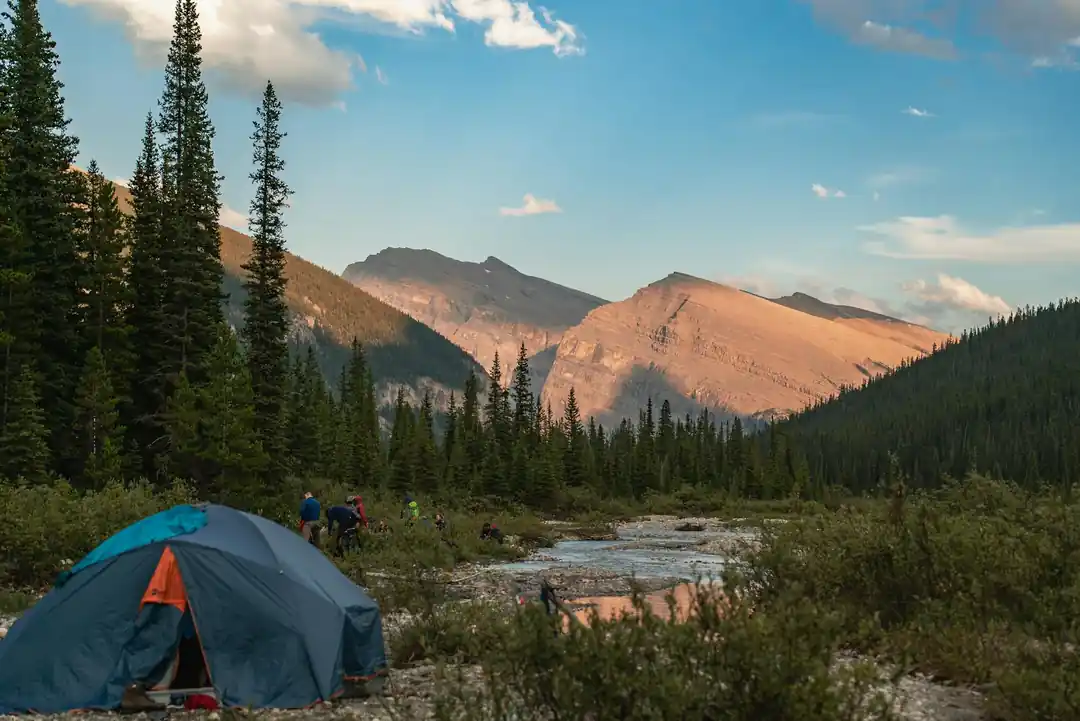
The Unwritten Rules of the North: What to Know Before Camping in Canada
Heading to the Great White North for a camping trip? It's an amazing idea. But from campfire etiquette to wildlife wisdom, here’s what you need to know before you go.

Popular Posts

Rethinking Non-Profit Promotion: Creative Strategies That Actually Drive Event Impact

Beyond Stark White: The Best Interior Paint Colors to Light Up Your New Space

The Simple Pre-Workout Fueling Strategy That Saved My Long Runs