Do You Need Morse Code for a Ham Radio License? The Surprising Answer
Thinking about getting your ham radio license but worried about learning Morse code? The requirements have changed more than you might think.
If you've ever been curious about ham radio, you’ve probably pictured an operator in a dimly lit room, headphones on, intently tapping out rhythmic signals. That iconic image is tied to Morse code, the language of dits and dahs that for over a century was the bedrock of amateur radio. For many, the idea of mastering this skill was the biggest hurdle to getting a license. So, what if I told you that barrier is now a thing of the past?
Let's get straight to it: No, you do not need to learn Morse code to get any level of amateur radio license in the United States. It’s a question that comes up all the time, and the answer often surprises people. The days of nervously sweating through a 5, 13, or 20-word-per-minute code test are officially over. This change has fundamentally reshaped the landscape of ham radio, making it more accessible than ever before.
But this simple "no" doesn't tell the whole story. Understanding why the requirement was dropped, and why so many operators still choose to learn and use Morse code, reveals a lot about the heart and soul of this incredible hobby. It’s a story of evolution, tradition, and a deep love for communication in its purest form.
The Big Change: When and Why the Code Requirement Ended
For decades, the Federal Communications Commission (FCC) mandated Morse code proficiency for access to the most sought-after radio frequencies—the High Frequency (HF) bands that allow for worldwide communication. This wasn't just an arbitrary rule; it was rooted in international agreements and the very nature of early radio technology. Morse code, or "CW" (Continuous Wave) as hams call it, is incredibly efficient. A CW signal can be heard and understood in conditions where a voice signal would be completely lost in the noise.
The shift began in 1991, when the FCC introduced the first "no-code" license, the Technician class. This was a huge step, designed to attract new people to the hobby who were interested in local VHF/UHF communications (think repeaters and handheld radios) but were intimidated by the Morse code requirement. However, this license didn't grant access to those coveted long-distance HF bands.
The final, definitive change came on February 23, 2007. On that day, the FCC officially removed the Morse code requirement for all license classes, including General and Amateur Extra. This decision followed a 2003 change in international regulations and was made to further lower the barrier to entry, reflecting the rise of new digital communication modes and a desire to grow the amateur radio community. The floodgates were open.
So, What Is Required for a Ham License Today?
With Morse code off the table, what does it actually take to become a licensed ham radio operator in the US? The focus of the exams has shifted entirely to the practical and theoretical knowledge needed to operate a station safely and effectively. There are three license tiers, each with its own exam and expanding privileges:
-
Technician Class: This is the entry-level license. The exam covers basic electronics, safety, operating procedures, and FCC regulations. It grants full access to all amateur bands above 30 MHz, which is perfect for local communication, and it even includes limited access to some HF bands for a taste of long-distance action.
-
General Class: This is the most popular license class. Passing the General exam, in addition to the Technician exam, unlocks extensive privileges on the HF bands. This is where you can really start talking to the world. The exam delves deeper into electronics theory and international regulations.
-
Amateur Extra Class: This is the highest license class available. The exam is more challenging, covering advanced electronics and radio theory. In return, Extra class licensees get full access to all amateur radio frequencies.
The key takeaway is that the exams are designed to ensure you're a competent and responsible operator, not to test your ability to copy code.
If It's Not Required, Why Do People Still Use Morse Code?
This is where things get interesting. Even with the requirement gone for over 15 years, CW is far from dead. In fact, it has a passionate and dedicated following, and many new hams make a point of learning it. Why? The reasons are both practical and philosophical.
First, there's the unmatched efficiency. As mentioned, a Morse code signal can cut through static and interference like nothing else. For operators who enjoy QRP (low-power) operating or trying to contact rare, distant stations ("DXing"), CW gives them a significant advantage. It's the ultimate tool for weak-signal communication.
Second, there's a deep sense of tradition and connection. Using Morse code is a way of participating in the history of radio. It connects you to generations of operators who came before. There's a certain romance and artistry to it—a well-sent "fist" (the unique rhythm of an operator's sending) is like a personal signature. It’s a skill that fosters a unique, global community that transcends language barriers.
Finally, for many, it's simply fun. It's a challenge, a new language to learn, and a deeply satisfying way to make contact. The simplicity of it—just a tone, a key, and a rhythm—is a refreshing contrast to our complex digital world. It’s a testament to the idea that sometimes, the simplest way of doing things is also the most beautiful. So while you don't have to learn it, you just might find that you want to.
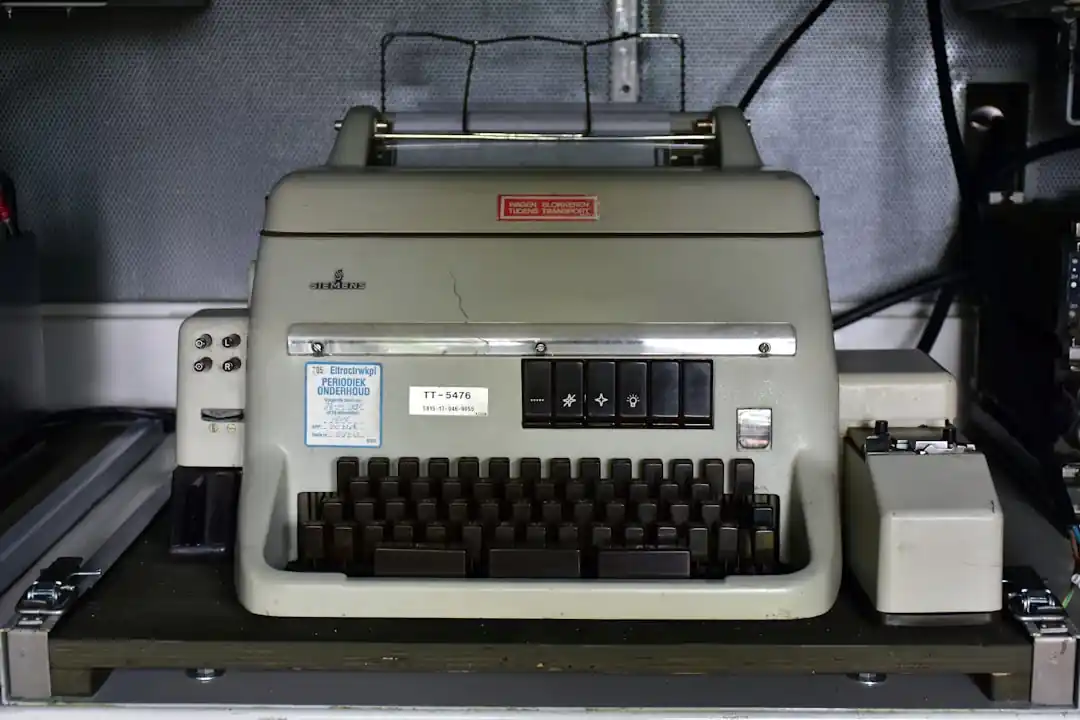
Dot, Dash, Certified: Is Official Morse Code Certification Still a Thing?
Cracking the Code: How Simple Mnemonics Can Help You Master Morse
Related Posts
 LANGUAGES
How to Actually Master a New Language on Your Own (No Magic Gene Required)
Discover research-backed self-study strategies to break through fluency plateaus, build real confidence, and learn a new language on your own terms.
 STUDY TIPS
Your Unshakeable Foundation: Understanding the Most Important Legal Rights for US Citizens
Ever wonder what truly protects you as a American citizen? Let's dive into the fundamental legal rights that form the bedrock of our society, making sure you know your power.

Popular Posts

Rethinking Non-Profit Promotion: Creative Strategies That Actually Drive Event Impact

Beyond Stark White: The Best Interior Paint Colors to Light Up Your New Space
How to Actually Master a New Language on Your Own (No Magic Gene Required)
