Thinking of hopping into one of those iconic three-wheelers in India? Here’s everything you need to know to navigate the streets like a pro, from haggling fares to staying safe.
If you’ve ever seen a picture of a bustling Indian street, you’ve seen them: the iconic, three-wheeled auto-rickshaws. They are, without a doubt, one of the most authentic and exhilarating ways to get around. From the outside, it looks like a chaotic dance of weaving, honking, and impossibly narrow squeezes. For a first-time visitor from the US, the thought of flagging one down can feel as intimidating as ordering a coffee in a language you don't speak.
I remember my first time. I stood on a corner in Delhi, watching them zip by, feeling a mix of excitement and sheer panic. How much should I pay? Will they understand my broken Hindi? Am I going to get scammed? These are all valid questions, and honestly, part of the initiation. But I learned that with a little bit of knowledge and a dash of confidence, riding an auto-rickshaw can transform from a source of anxiety into one of your most cherished travel memories.
Think of it less as a simple taxi ride and more as an unfiltered, front-row seat to the incredible energy of India. It’s the wind in your hair, the vibrant chaos of the market blurring past, the scent of street food cooking on a corner, and the constant, rhythmic symphony of horns. So, let's break down how you can master this essential Indian experience, turning potential stress into pure adventure.
The Golden Rule: Agree on the Fare First
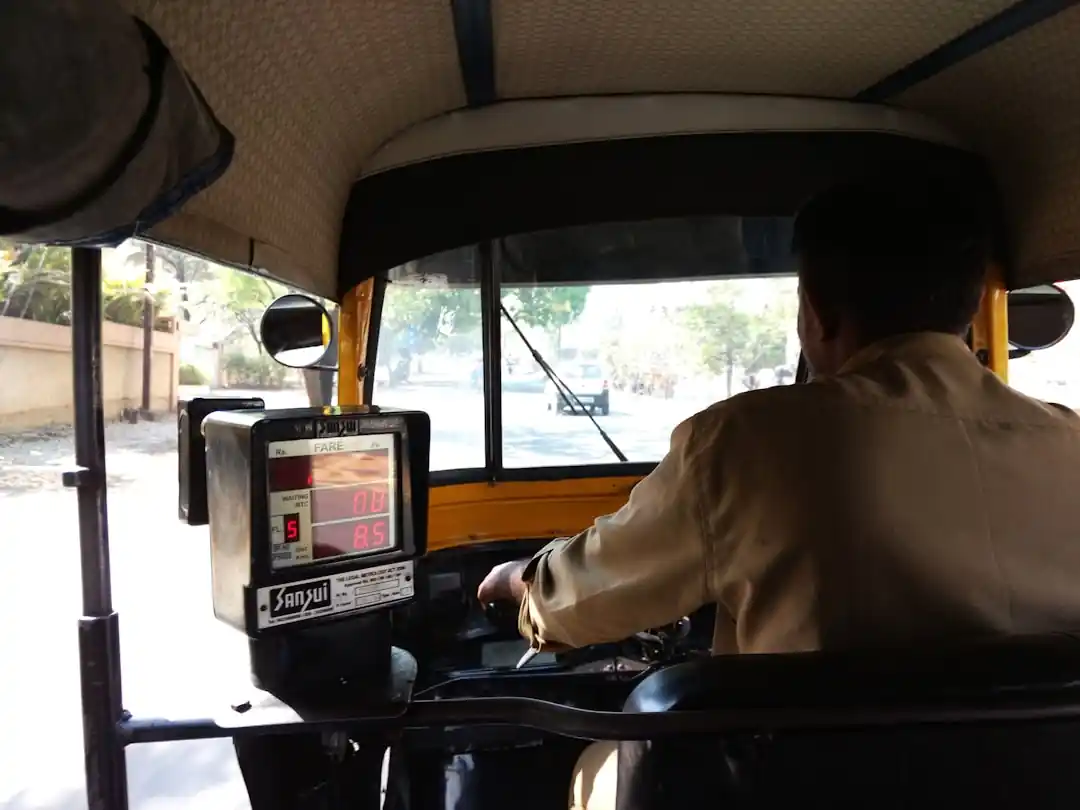
This is, without question, the most important piece of advice I can give you. Before you even think about sitting down in that rickshaw, you must agree on a price with the driver. In many cities, the concept of a "working meter" is a beautiful but often elusive myth. Drivers will frequently tell you it's broken or simply refuse to use it, preferring to set a fixed price. This is normal, but it's where you need to be prepared.
So, how do you know what a fair price is? This is where a little homework pays off. Before you head out, ask the staff at your hotel or a local friend for an estimated fare to your destination. An even better tool in your arsenal is a ride-sharing app like Uber or Ola. Even if you don't book through the app, you can plug in your destination to see what they would charge for an auto. This gives you a powerful baseline for your negotiation.
When you hail a rickshaw, state your destination clearly and ask for the price. The first number they throw out will almost always be inflated (sometimes comically so). Don't be offended; it's all part of the game. Smile, be friendly, and counter with a price closer to the estimate you researched. If the driver isn't willing to negotiate to a price you're comfortable with, just say "No, thank you" and walk away. Nine times out of ten, another rickshaw will be right behind them, or the original driver might suddenly have a change of heart and call you back with a better offer.
The Modern Traveler’s Secret Weapon: Ride-Hailing Apps
While the art of the haggle is a classic Indian travel experience, sometimes you just want to get from point A to point B without the back-and-forth. This is where technology is your best friend. Uber and Ola, the two dominant ride-sharing platforms in India, both have an "Auto" option in most major cities. Using them can feel like a godsend, especially when you're new to a city or just feeling tired.
The advantages are huge. The app gives you an upfront, fixed price, completely eliminating the need to negotiate. There’s no ambiguity, no surprise charges, and no "special price for you, my friend." It also adds a significant layer of safety. The trip is tracked via GPS, you have the driver's name and vehicle number, and you can share your ride status with someone. This is particularly reassuring if you're traveling solo or at night.
A couple of pro-tips for using these apps: always have a little bit of cash on you. While you can link a credit card, sometimes the connection fails or the driver prefers cash. Also, be prepared for the driver to call you to confirm your pickup location. If there's a language barrier, don't panic. Often, you can hand your phone to a nearby shopkeeper or pedestrian who will happily translate for you. It’s a small thing, but it’s part of the communal fabric that makes traveling here so unique.
Navigating with Confidence: Safety and Etiquette
Riding in an open-air vehicle in the middle of Indian traffic can feel a bit wild, but it's generally very safe. However, it's always smart to be mindful. Keep your bags and valuables in the middle of the seat with you, not on the edge where they could be easily snatched in traffic. It’s a rare occurrence, but it’s better to be cautious.
If you're ever in a situation where you feel uncomfortable with the driver's speed or behavior, don't hesitate to speak up. A simple "Aap please dheere chala sakte hain?" (Can you please drive slower?) is usually effective. Trust your gut. If a situation feels off, it's perfectly acceptable to ask the driver to stop in a well-lit, public area, pay them for the distance covered, and find another ride.
One final, crucial tip: always carry small bills. The "I don't have change" line is a classic tactic used by some drivers to get you to pay a little extra. Having 10, 20, and 50 rupee notes will make your life infinitely easier and prevent those slightly awkward standoffs at the end of a ride. It shows you're a savvy traveler who has come prepared.
Embracing the auto-rickshaw is about more than just getting around; it's about diving headfirst into the local culture. It’s about the friendly conversations with drivers, the shared moments of laughter when you get stuck in a traffic jam next to a cow, and the feeling of being a part of the city's vibrant, beating heart. So take a deep breath, step off the curb, and raise your hand. Your adventure awaits.
The Art of Packing Light: A Week in a Carry-On
The Ultimate Guide to Booking Indian Train Tickets as a Foreigner

Related Posts
 TRANSPORT
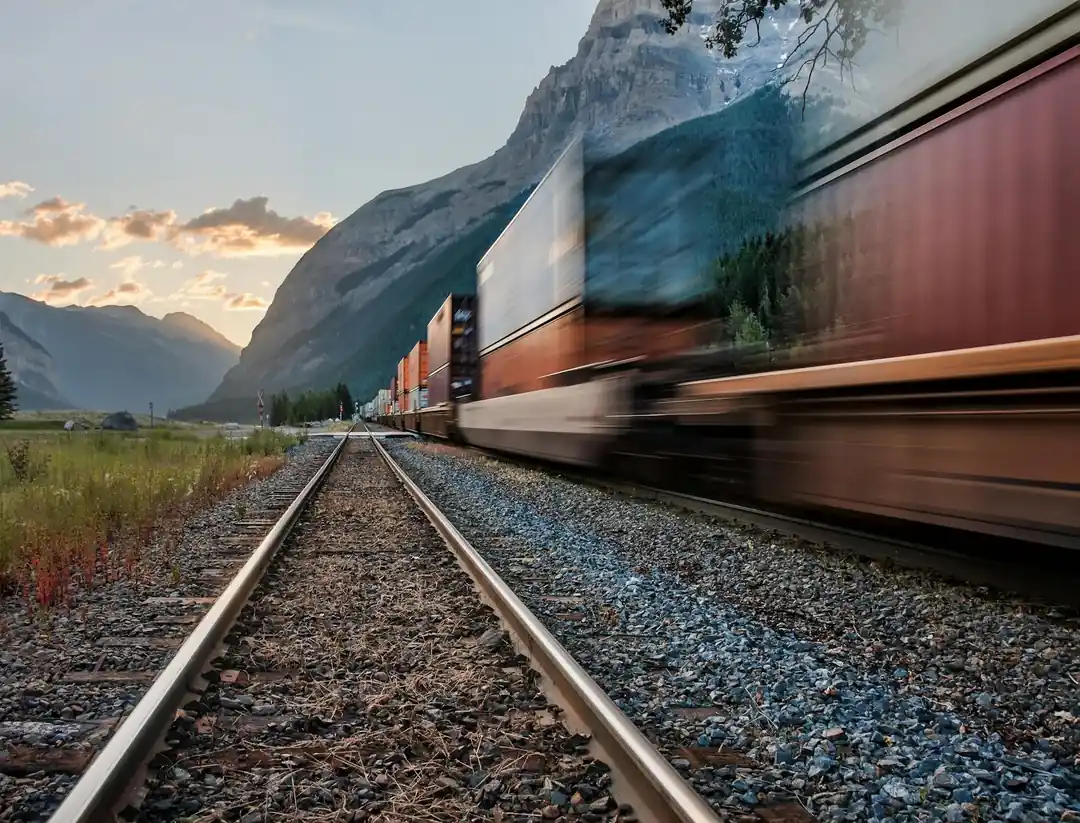
Beyond the Highway: Finding Canada's Soul on a Western Rail Adventure
Forget road trips. I'm talking about rediscovering the romance of travel on Via Rail's most scenic routes through the heart of the Canadian West. It’s an experience that changes you.
 TRAVEL TIPS
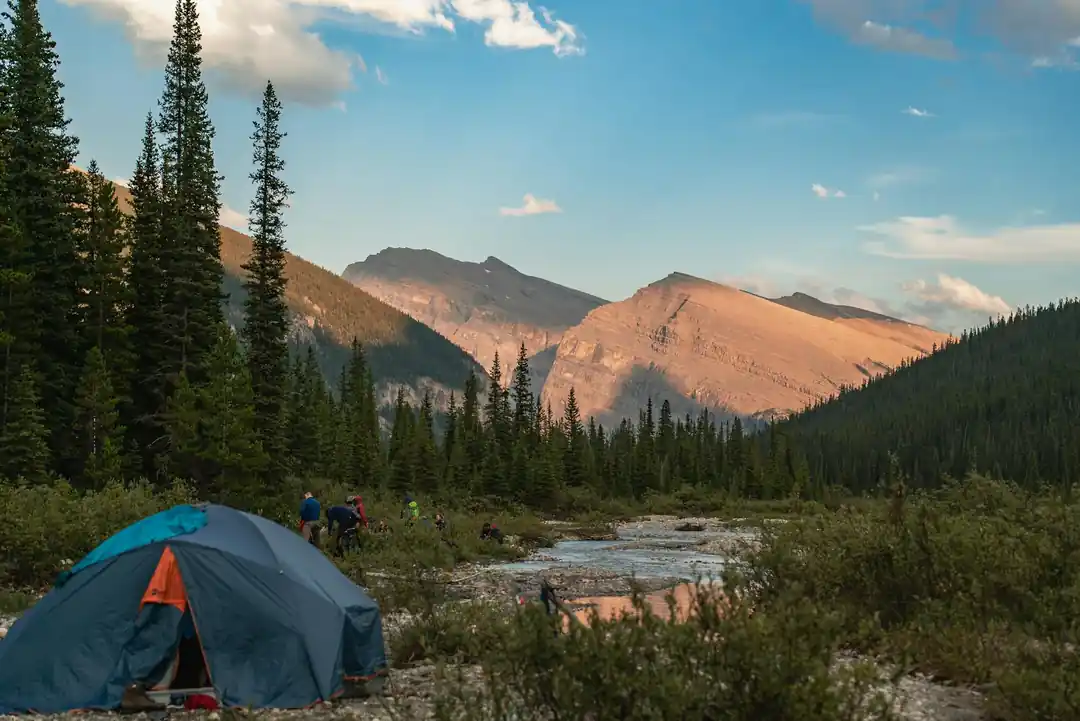
The Unwritten Rules of the North: What to Know Before Camping in Canada
Heading to the Great White North for a camping trip? It's an amazing idea. But from campfire etiquette to wildlife wisdom, here’s what you need to know before you go.

Popular Posts

Beyond Stark White: The Best Interior Paint Colors to Light Up Your New Space

How to Actually Master a New Language on Your Own (No Magic Gene Required)

The Simple Pre-Workout Fueling Strategy That Saved My Long Runs