Ever walk into a space and just feel... better? It might be the magic of scent. Let's explore how essential oils can turn your home into a sanctuary for the senses.
Honestly, my journey into home aromatherapy started with a simple desire: I wanted my apartment to feel less like a place where I just sleep and work, and more like a genuine refuge. Life gets so busy, and our homes can sometimes feel like just another stop on the daily checklist. I was craving a way to intentionally craft a more peaceful, welcoming atmosphere. I’d seen friends with their chic little diffusers and, while I was a bit skeptical, I was also deeply curious. Could a little scented steam really make that much of a difference?
The short answer is a resounding yes. Diving into the world of essential oils has been a game-changer for how I experience my own space. It’s so much more than just making a room smell nice; it’s about using the power of scent to influence your mood, sharpen your focus, and create a specific feeling on demand. It’s like learning a new language of atmosphere, where a few drops of oil can say everything from "it's time to relax" to "let's get productive."
At its core, aromatherapy is the practice of using aromatic plant extracts—those potent essential oils—to improve psychological or physical well-being. When you inhale these scents, the molecules travel from the olfactory nerves directly to the brain’s limbic system, the ancient part of our brain that controls emotions, memories, and stimulation. This is why a certain smell can instantly transport you back to your childhood kitchen or, in this case, help ease the tension from a stressful day. It’s a direct and powerful pathway to shifting your state of mind.
Getting Started: Your Aromatherapy Toolkit
Before you can start transforming your home, you need a few basic tools. The good news is, you don't need to invest a fortune to begin. The absolute cornerstone of home aromatherapy is a good essential oil diffuser. This one device will be your workhorse, the primary way you disperse scent and its benefits throughout your space. Forget overpowering synthetic air fresheners; a diffuser offers a much more nuanced and natural experience.
There are a few different types of diffusers, but the most popular for home use is the ultrasonic diffuser. These devices use water and electronic frequencies to create a fine mist of water and essential oil that is released into the air. They're quiet, effective, and also double as a small humidifier, which is a nice bonus in dry climates or during winter months. They come in a million different styles, from minimalist ceramic to warm wood finishes, so it’s easy to find one that matches your home decor.
When you're starting out, the sheer number of essential oils can feel overwhelming. My advice? Start simple. You don’t need a collection of 50 oils right away. Begin with a small, curated set of high-quality, versatile oils. A great starter pack would include Lavender for relaxation, Lemon or another citrus for an energy boost, Peppermint for focus, and perhaps Eucalyptus for that clean, spa-like feeling. Make sure you're buying 100% pure essential oils, as synthetic fragrances won't offer the same therapeutic benefits and can even cause headaches.
Crafting Your Home's Scent Story
Once you have your diffuser and a few starter oils, the real fun begins. This is where you get to play chemist and create "scent recipes" that cater to your specific needs and moods. Think of it as creating a soundtrack for your day, but with aroma. The beauty of it is in the blending, discovering combinations that feel uniquely you.
For creating a peaceful sanctuary in the evening, nothing beats Lavender. It's the undisputed champion of calm. I love blending a few drops of Lavender with a drop of Roman Chamomile or a touch of Cedarwood. This combination is my go-to for unwinding after a long day; it melts away stress and signals to my brain that it's time to rest. Diffusing this blend in the bedroom an hour before sleep has become a non-negotiable part of my nightly ritual.
On the flip side, when I need to get into work mode or tackle a big project, I turn to a completely different set of scents. Peppermint is fantastic for a jolt of mental clarity, but it can be intense on its own. I like to soften it by blending it with a bright citrus oil like Lemon or Sweet Orange. This combination is invigorating and uplifting without being jarring. It helps cut through brain fog and creates an atmosphere of sharp, clean focus. It’s better than my third cup of coffee, and there’s no caffeine crash.
Don't be afraid to experiment! There are no hard and fast rules. Maybe you love the grounding scent of Frankincense mixed with the bright notes of Bergamot. Perhaps a blend of Rosemary and Lemon helps you feel creative. Keep a small notebook to jot down your favorite combinations and how they make you feel. Over time, you'll build a personal library of scents that you can turn to for any occasion, effectively making you the master of your home's emotional landscape.
A Word on Safety and Best Practices
As wonderful as essential oils are, it's crucial to remember that they are incredibly potent substances. "Natural" does not automatically mean "harmless," and a little knowledge goes a long way in using them safely and effectively. The number one rule is to never ingest essential oils unless under the direct supervision of a certified clinical aromatherapist.
When it comes to diffusion, more is not always better. You only need a few drops of oil in your diffuser for it to be effective. Overdoing it can lead to headaches or respiratory irritation. It's also a good idea to diffuse in a well-ventilated area and for intermittent periods—30 to 60 minutes on, then 60 minutes off—rather than running it all day long. This gives your system a break and is often more effective.
Finally, and this is a big one, you must be mindful of pets and children. Many essential oils that are perfectly safe for adult humans are toxic to animals, especially cats, whose livers can't metabolize the compounds. Oils like Tea Tree, Peppermint, Citrus, and Eucalyptus can be dangerous if ingested or even inhaled in high concentrations by pets. Always research the safety of an oil for your specific pet before diffusing it, ensure they can leave the room if they want to, and consult your veterinarian if you have any concerns. The goal is a peaceful home for all its inhabitants.
Embarking on this aromatic journey is a simple yet profound act of self-care. It’s about taking a moment to ask yourself, "How do I want to feel right now?" and knowing you have a natural tool to help you get there. It’s about transforming your home from a passive space into an active participant in your well-being. So go ahead, take a deep breath, and begin.

How to Start a Journaling Practice for Self-Reflection (and Actually Stick With It)
From Chaos to Calm: How to Create a Bath Routine That Melts Stress Away

Related Posts
 HOBBIES
The Beginner's Guide to Reading the Night Sky: How to Spot Your First Constellations
A friendly, grounded guide to navigating the night sky, understanding stellar movements, and spotting iconic constellations without expensive gear.
 PETS
PETSSniffle-Free Snuggles: America's Most-Loved Hypoallergenic Dogs
Dreaming of a furry friend but dreading the sneezes? You're not alone. Let's dive into the wonderful world of popular hypoallergenic dog breeds in the US.
Popular Posts

Rethinking Non-Profit Promotion: Creative Strategies That Actually Drive Event Impact
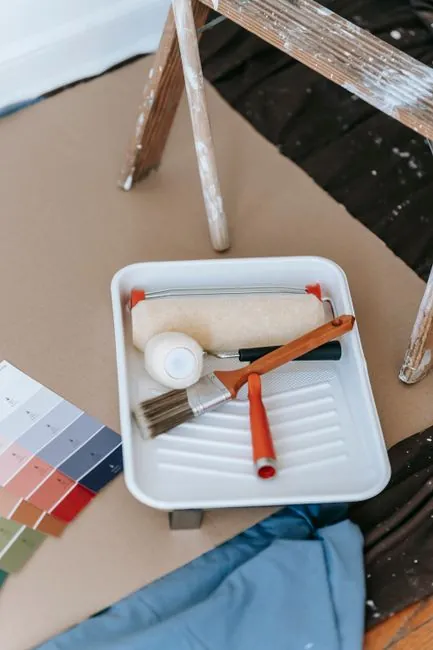
Beyond Stark White: The Best Interior Paint Colors to Light Up Your New Space

How to Actually Master a New Language on Your Own (No Magic Gene Required)