Ever wonder what separates a truly great bagel from a simple bread roll with a hole? The secret lies in a two-step dance of water and heat.
There are few things in the culinary world as satisfying as a truly perfect bagel. I’m talking about that glorious combination of a glossy, slightly crisp crust that gives way to a dense, chewy, and flavorful interior. It’s a texture that haunts the dreams of bread lovers and a benchmark for breakfast greatness. For years, I was content with my local bagel shop, convinced that this level of perfection was some kind of trade secret, unattainable for the home baker. My own early attempts often resulted in what I can only describe as sad, round bread—lacking the soul, the very essence, of a real bagel.
What was I missing? The answer, I discovered, wasn't in a rare ingredient or a complicated kneading technique. It was in a step I had foolishly deemed optional: the boil. It turns out, that quick dip in simmering water is not just a quirky tradition; it is the non-negotiable, soul-defining moment for any aspiring bagel. It’s the crucial pivot point where simple dough begins its transformation into that iconic, chewy ring of perfection.
Once I embraced the boil, everything changed. It felt like unlocking a secret level in the game of baking. This two-part process of boiling and then baking is what separates the contenders from the pretenders. It’s a beautiful, simple science, and understanding it is the key to leaving those bagel-shaped bread rolls in the past for good.
The Great Divide: Why Boiling is Non-Negotiable
So, what is it about this hot water bath that’s so magical? The science is actually quite elegant. When you drop your shaped and proofed dough into a pot of simmering water, the heat immediately begins to cook the exterior. This process, known as starch gelatinization, creates a distinct, semi-cooked "skin" on the outside of the bagel. This skin does two incredibly important things.
First, it sets the crust before the bagel even sees the inside of an oven. This is the primary source of that signature chew. The gelatinized starches create a barrier that prevents the bagel from expanding too rapidly—or "springing"—during baking. A bagel that skips the boil will puff up like a regular dinner roll, resulting in a light, airy crumb. By limiting that oven spring, the boil ensures the interior remains dense and satisfyingly chewy.
Second, this process is what gives a great bagel its characteristic shine. The starches on the surface not only gelatinize but also create a glossy coating that, after baking, becomes that beautiful, crisp, and golden-brown shell. It’s a one-two punch of texture and appearance that simply cannot be replicated by any other method. An egg wash might give you shine, but it won’t give you the chew.
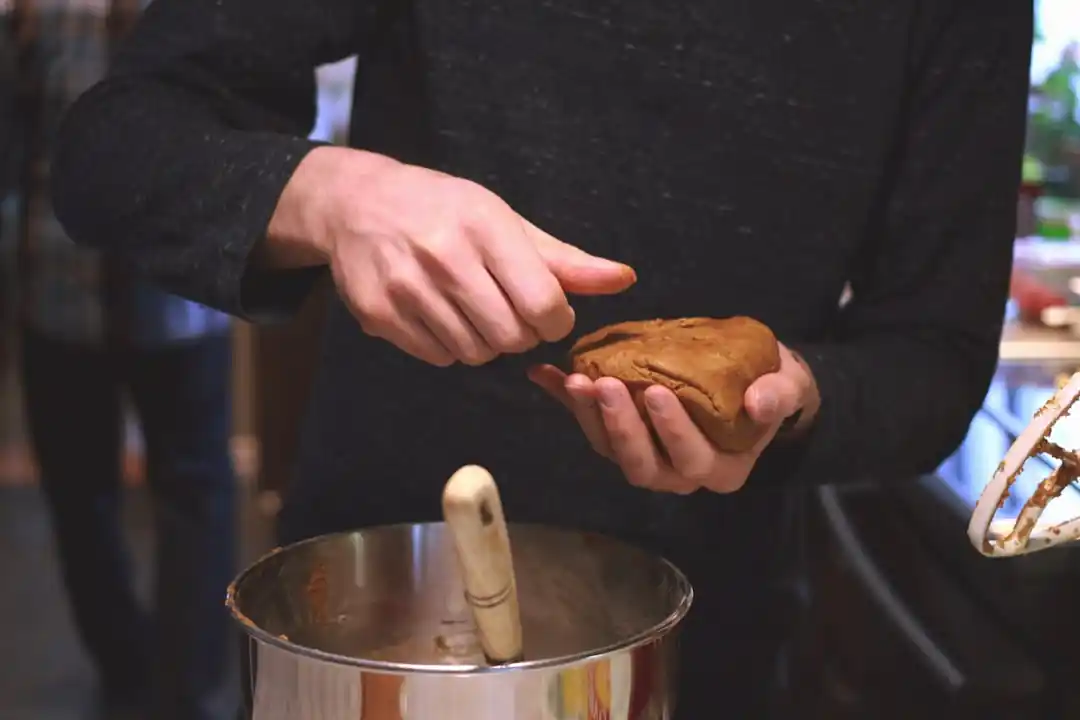
Mastering the Boil: A Simple Step with a Huge Payoff
The good news is that the boiling process itself is incredibly straightforward. You just need a large, wide pot of water and a few key decisions. The first choice is what, if anything, to add to your water. Many traditional recipes call for barley malt syrup, a thick, dark, and not-too-sweet syrup that adds a subtle, authentic flavor and helps achieve a deeper golden color. If you can't find it, honey or even a little brown sugar are excellent substitutes that serve the same purpose of adding sugars to the water, which aids in browning during the bake. Some bakers also add a tablespoon of baking soda to the water to increase its alkalinity, which can enhance the Maillard reaction in the oven for a darker, more pretzel-like crust.
Once your water is at a gentle simmer (not a rolling boil, which can be too aggressive), it's time to boil. The duration of the boil is your main variable for controlling texture. For a slightly less dense bagel with a thinner crust, a short boil of about 30-45 seconds per side is perfect. If you're like me and you live for that substantial, extra-chewy texture, you'll want to push it to a full 60-90 seconds per side.
Use a slotted spoon or a spider strainer to gently lower the bagels into the water, being careful not to crowd the pot. After their time is up on the first side, flip them and boil for the same duration on the other. Once done, lift them out, let the excess water drip off, and place them on a wire rack. This is the moment to add your toppings—sesame seeds, poppy seeds, everything spice—as the slightly sticky, gelatinized surface is perfect for grabbing onto them.
From Kettle to Oven: Baking to Golden Perfection
With the boiling complete, the final step is the bake. This is where the crust you’ve just set becomes crisp and golden, and the inside cooks through to chewy perfection. A hot oven is crucial. You'll want to preheat it to a high temperature, typically around 425-450°F (220-230°C). This initial blast of high heat helps to quickly dry out the exterior, setting that crisp crust we're after.
For the best results, I wholeheartedly recommend using a baking stone or a baking steel. Preheating the stone with your oven creates an intensely hot surface that mimics a professional baker's deck oven. When the cool, boiled bagel hits that hot surface, the bottom crust forms almost instantly, contributing to a better rise and a more evenly baked bagel. If you don't have a stone, an inverted heavy-duty baking sheet works as a decent substitute.
Place your topped bagels directly onto the hot stone or prepared baking sheet and bake until they are a deep golden brown. This usually takes anywhere from 15 to 25 minutes, depending on your oven and the size of your bagels. There’s no need to flip them. The intense heat from below and the circulating hot air above will ensure they are cooked perfectly. The aroma that will fill your kitchen during these final minutes is your delicious reward for honoring the process.
Pulling a tray of perfectly browned, shiny, and chewy bagels from your own oven is a moment of pure triumph. It’s a testament to the idea that the best things often aren't complicated, they just require a little understanding and respect for the process. That two-step journey of water and fire is what makes a bagel, a bagel. And it’s a journey well worth taking.
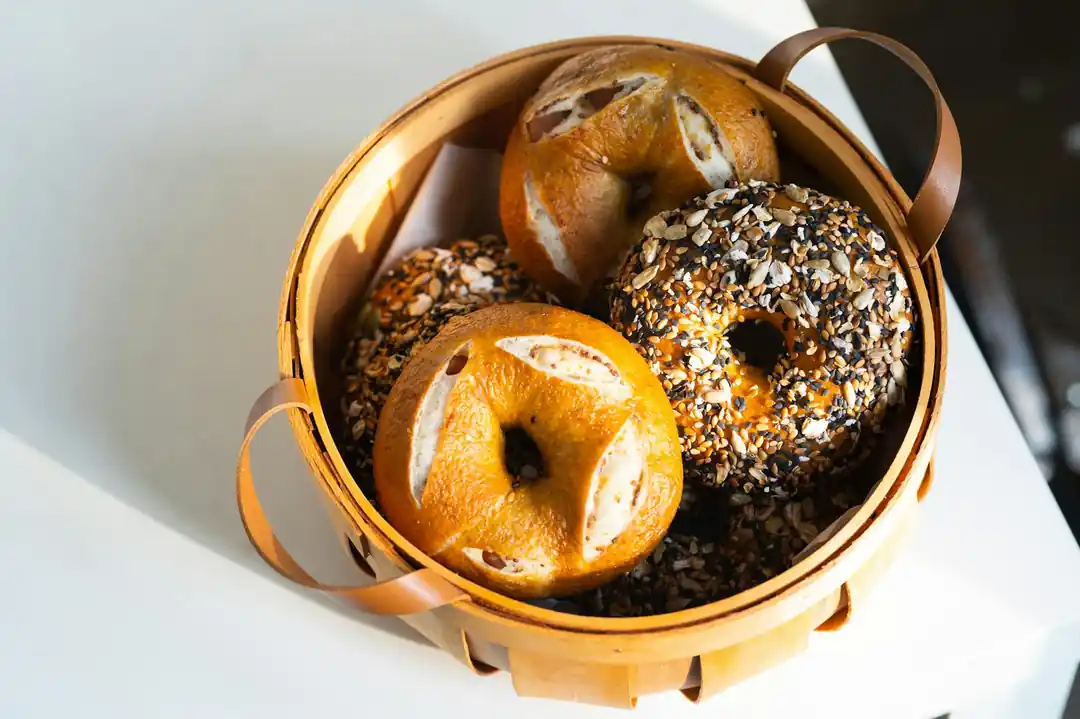
The Secret to Ever-Fresh Bagels: Storage Hacks You Need to Know
Beyond Everything: The Wonderful World of Bagel Seasonings
Related Posts
 COOKING TIPS
Is Your Kitchen Safe? The Best Way to Check for Food Recalls at Home
That feeling of uncertainty when you hear about a food recall is all too common. Let's walk through the simple, effective ways to stay informed and keep your family safe.
 RECIPES
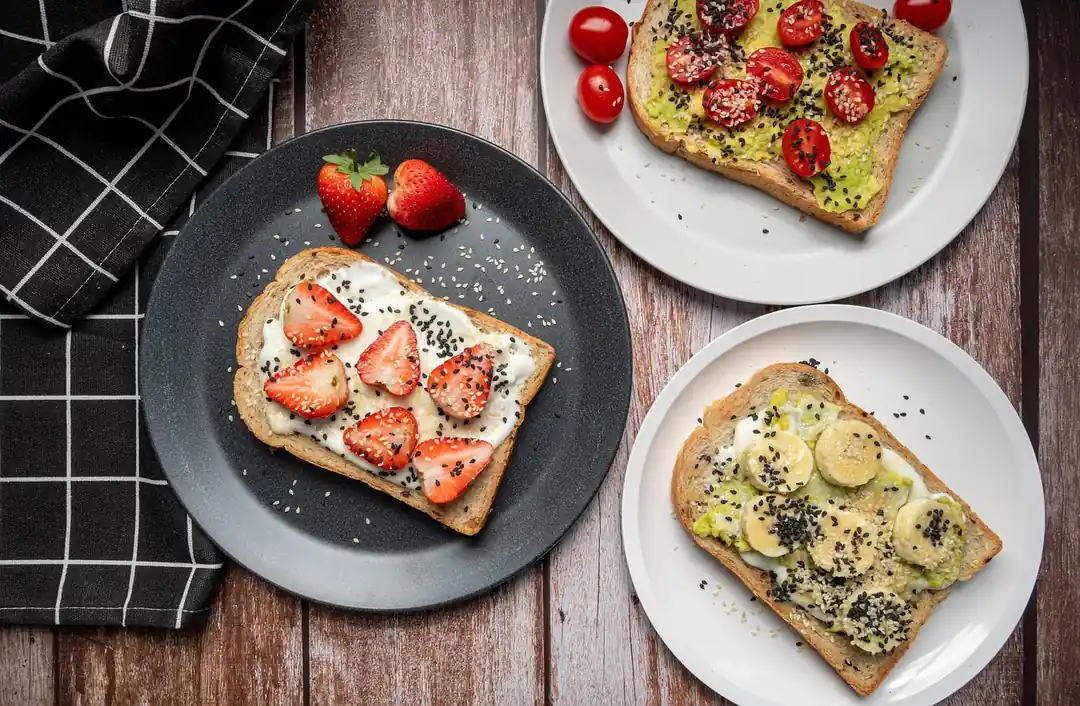
Beyond Peanut Butter: 7 Healthy & Delicious Sandwich Spreads You'll Love
Tired of the same old PB&J? Let's explore some incredible, nutrient-packed alternatives to peanut butter that will completely revitalize your lunch routine.

Popular Posts

Rethinking Non-Profit Promotion: Creative Strategies That Actually Drive Event Impact

Beyond Stark White: The Best Interior Paint Colors to Light Up Your New Space

How to Actually Master a New Language on Your Own (No Magic Gene Required)
