The New Gods of Tone: An Honest Look at AI Guitar Modeling
Tube amps are timeless, but AI is here. We're diving deep into the world of AI-powered guitar modeling to see if it can truly capture the soul of our favorite rigs.
There’s a certain romance to a real tube amp, isn't there? The warmth of the glowing glass, the way it breathes and snarls in response to your playing—it’s a relationship. For decades, that physical, tangible connection was the undisputed pinnacle of guitar tone. We’ve lugged heavy cabinets, spent small fortunes on vintage heads, and patiently waited for tubes to warm up, all in the chase for that perfect sound. But let's be honest, the world is changing, and so is the way we make music.
I remember the early days of digital modeling. It was… a noble effort. We got convenience, a ton of sounds in a small box, but it often felt like a photograph of a great meal—it looked the part, but you couldn't taste it. There was a sterile, digital sheen that just couldn't capture the organic chaos of a cranked amplifier. Fast forward to today, and the conversation is completely different. Artificial intelligence isn't just knocking on the door; it's in the studio, on our laptops, and in our pedalboards, promising not just to imitate our heroes' tones, but to capture the very soul of their gear.
The question is no longer "Can digital sound good?" We know it can. The real question is, "Can AI feel right?" Can an algorithm truly replicate the dynamic, non-linear magic that happens when a guitar, a player, and an amp become one? It’s a question that I’ve been obsessively exploring, and the answers I’ve found have been nothing short of surprising. This isn't about replacing our beloved amps; it's about a powerful new tool in our arsenal.
What Are We Even Talking About? The AI in Your Axe
So, what is "AI modeling" in the context of guitar tone? It’s a significant leap beyond traditional digital signal processing (DSP). While older modelers used algorithms to approximate an amp's sound, AI, and specifically machine learning, takes a different approach. Think of it like this: you can teach a computer the rules of how an amp should sound, or you can have it listen to the amp and learn for itself. That's the core of this new wave.
Companies are using neural networks—complex systems modeled on the human brain—to analyze every nuance of a physical amplifier. They feed it thousands of hours of audio, capturing how the amp responds to every possible input: soft-picked notes, aggressive power chords, the subtle roll-off of a guitar's volume knob. The AI learns the amp's unique personality, its "feel," its sag, and its harmonic richness. The result is a "model" or "capture" that doesn't just sound like the amp; it behaves like it.
This technology has split into a few fascinating directions. On one hand, you have "profiling" or "capturing" platforms like Neural Amp Modeler (NAM) and IK Multimedia's TONEX, which create a static snapshot of a specific amp and pedal setup. On the other, you have more dynamic systems like Neural DSP's plugins or Positive Grid's BIAS, which offer deep customization, allowing you to swap virtual tubes and tweak circuits. It’s the difference between a perfect photograph and a photorealistic, editable 3D model.
The Titans of Tone: A Look at the Main Players
The market for AI-powered guitar tools has exploded, but a few names consistently rise to the top of the conversation. Each brings a unique philosophy and toolset to the table, catering to different types of players. It’s less about which one is "best" and more about which one aligns with your creative workflow.
First, you have Neural DSP. These guys are the boutique artisans of the plugin world. Known for their artist-collaboration "Archetype" suites, they deliver an incredibly polished and focused experience. When you buy the Archetype: Plini, for example, you're getting a curated set of amps and effects designed to achieve a specific, world-class sound. Their proprietary AI technology is renowned for its realism and playing feel, making it a top choice for professional recording. The trade-off? It’s a walled garden. You get what's in the box, and building a versatile collection can get expensive.
Then there's the revolutionary open-source contender, Neural Amp Modeler (NAM). This free software has completely disrupted the scene. NAM allows anyone to create captures of their own gear and share them online. The result is a massive, community-driven library of thousands of amps and pedals, from vintage classics to modern high-gain monsters. The sound quality is often shockingly good, standing toe-to-toe with expensive commercial software. The downside is that it can be a bit rough around the edges and requires a bit more user effort to find the gems in the vast sea of captures.
On the commercial side of capturing, IK Multimedia's TONEX has made a huge splash. It operates on a similar principle to NAM but within a more polished, user-friendly ecosystem. TONEX allows you to capture your own gear or tap into ToneNET, a huge online library of user- and artist-created "Tone Models." It offers a fantastic balance of quality, flexibility, and affordability, and its seamless integration with their AmpliTube software for effects makes it a powerful all-in-one solution.
Finally, there's Positive Grid's BIAS FX/Amp family. BIAS was one of the first to bring deep customization to the masses, allowing you to go under the hood and change virtual tubes, transformers, and more. Their "Amp Match" technology was an early form of AI modeling that could analyze a piece of audio and attempt to replicate its tone. While some argue its core modeling is a bit older, its sheer flexibility and massive library of user-created presets on the ToneCloud make it an endlessly fun sandbox for tone tweakers.
The Real-World Test: Sound, Feel, and Workflow
This is where the rubber meets the road. How do these tools actually perform when you plug in your guitar and start playing? For pure, out-of-the-box sound quality and realism, many would argue that Neural DSP has the edge. Their models have a certain three-dimensional quality and a dynamic response that feels incredibly close to a mic'd-up amp in a high-end studio. The experience is curated and pristine, which is perfect for recording polished tracks.
However, the "capture" technology of NAM and TONEX presents a different kind of realism. Because these are direct snapshots of real-world rigs, they often capture a certain "lightning in a bottle" quality that can be hard to replicate. A great TONEX or NAM capture of a vintage Fender amp doesn't just sound like a Fender; it sounds like that specific Fender on that specific day, with all its unique quirks and history. The feel is often described as more raw and authentic, though it can be less consistent than the polished models from Neural DSP.
In terms of workflow, it's a clear split. If you want to plug in and get a world-class, record-ready sound immediately, Neural DSP's Archetypes are hard to beat. If you're a sonic explorer who loves the thrill of the hunt, diving into the vast libraries of NAM and TONEX to find unique and inspiring tones can be incredibly rewarding. And if you're a tweaker at heart who wants to build a rig from the ground up, swapping components and experimenting with signal chains, Positive Grid BIAS offers a level of customization that the others can't match.
So, Should You Sell Your Tube Amp?
Let's be clear: AI modeling is not going to make your vintage Marshall Plexi obsolete. There is still something irreplaceable about the physical experience of playing through a real amp, feeling the air move, and interacting with a piece of history. That connection is real and it matters. But that’s not the point.
The point is that we now have tools that can deliver stunningly realistic, professional-quality tones with a level of convenience and flexibility we could only have dreamed of a decade ago. For the home recording musician, the touring artist tired of lugging heavy gear, or the creative player looking for new sounds, AI modeling is a game-changer. It democratizes tone, putting the sound of legendary and boutique gear within reach of anyone with a laptop.
My advice? Don't think of it as a replacement, but as an expansion. Use these tools to practice silently at night, to experiment with new sounds you couldn't otherwise access, and to record professional-sounding tracks without booking a studio. The gods of tone are no longer just forged in iron and glass; they're also coded in ones and zeros. And honestly, that’s a pretty exciting future to be a part of.

Discovering the Heart of Willowbrook, CA: More Than a Passing Glance
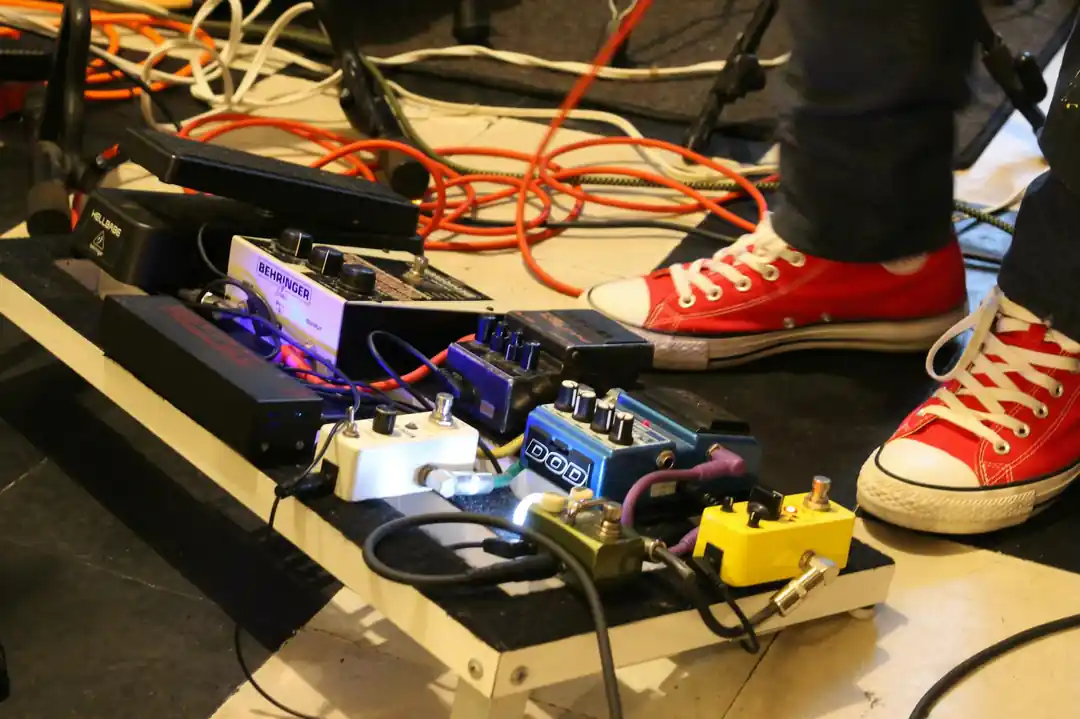
How Does Neural Capture Actually Work? A Deep Dive Into the Quad Cortex's Magic
Related Posts
 MOBILE
The Great Console Debate: How to Choose the Right Gaming System for Your Family
Feeling stuck between a Switch, a PlayStation, and an Xbox? Let's break down which gaming console is the perfect fit for your family's game nights.
 MOBILE
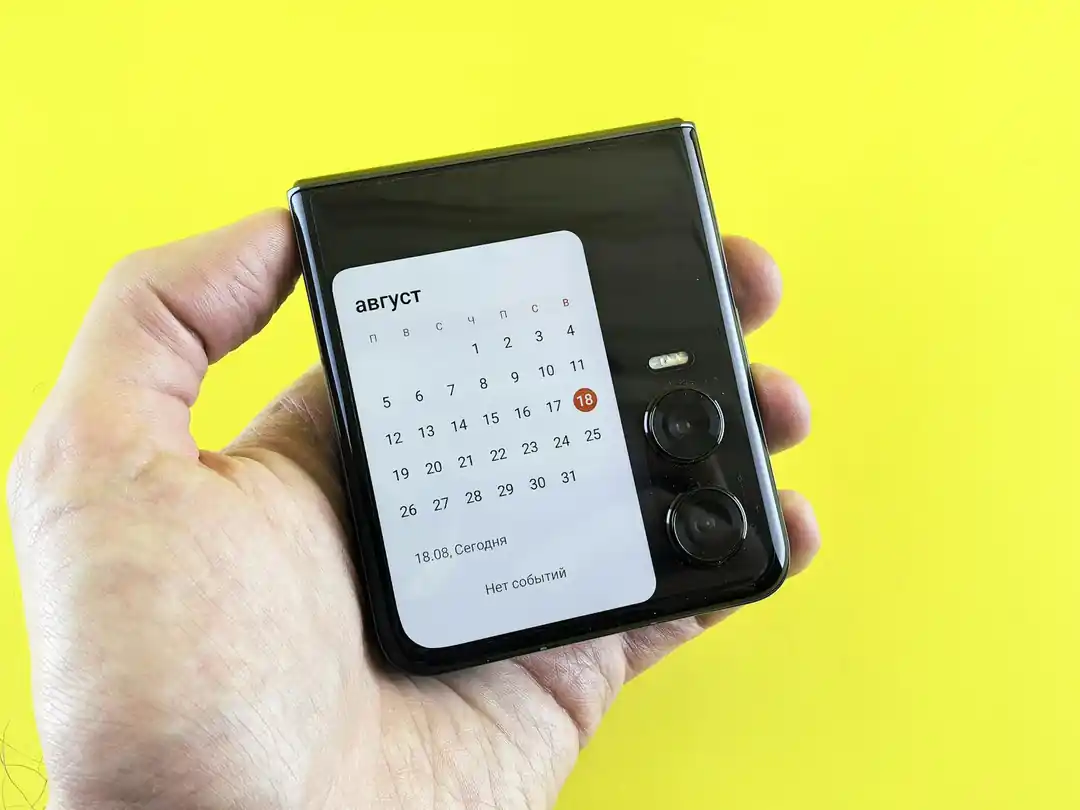
From Fragile to Formidable: The Surprising Evolution of Foldable Phone Durability
Remember when the idea of folding a smartphone screen in half felt like a disaster waiting to happen? Let's talk about how far they've come, because the story is pretty incredible.

Popular Posts

Rethinking Non-Profit Promotion: Creative Strategies That Actually Drive Event Impact

Beyond Stark White: The Best Interior Paint Colors to Light Up Your New Space

How to Actually Master a New Language on Your Own (No Magic Gene Required)
