Ever wonder if being on the taller side of the spectrum comes with a hidden cost? We're diving into the surprising connection between extreme height and the health of your joints.
There’s a certain presence that comes with being exceptionally tall. You command a room without saying a word, and the view from up there is, admittedly, pretty great. But as someone who has a few very tall friends, I've often heard whispers of the other side of the coin—the subtle, nagging aches in backs and knees that seem to be a common, unspoken bond. It got me thinking: is there a real, physiological connection between standing head and shoulders above the rest and the long-term health of our joints?
It’s a topic that feels both obvious and overlooked. We admire the statuesque figures of basketball players and models, but we rarely discuss the unique physical toll their height can take. This isn't about complaining or wishing to be shorter; it's about understanding the intricate mechanics of the human body. It turns out that the very frame that gives you a physical advantage in some areas might also be setting you up for specific challenges, and knowing what they are is the first step to navigating them with strength and grace.
The Biomechanics of Being Tall
At its core, the issue is one of simple physics. Your bones are levers, and your joints are the fulcrums. The longer the lever, the more force is amplified at the joint. For a tall person, this means that everyday movements—from walking up stairs to picking up groceries—generate significantly more torque and stress on the knees, hips, and spine compared to a person of average height. One study I came across pointed out that taller individuals often have a biomechanical disadvantage, which can lead to a higher prevalence of issues like lower back pain and even disc herniations.
Then there’s the matter of mass and gravity. A larger frame naturally carries more weight. This increased load is constantly pressing down on weight-bearing joints, particularly the cartilage in the knees and hips. Over time, this can accelerate the wear-and-tear process, potentially leading to conditions like osteoarthritis earlier in life. It’s not just about being "overweight" in the traditional sense; it's about the baseline stress that a larger body places on its own support structures day in and day out.
Finally, consider the rapid growth spurts many tall individuals experience during their teenage years. Sometimes, the skeleton grows so quickly that the surrounding muscles, tendons, and ligaments struggle to keep up. This can result in muscle imbalances and tightness, which pulls on the joints and can lead to poor movement patterns. This developmental phase can lay the groundwork for future joint problems if not addressed with proper stretching and strengthening.
The Common Culprits: Back and Knee Pain
When you talk to tall people about chronic pain, two areas come up more than any others: the lower back and the knees. It’s no coincidence. The human spine, a marvelous column of vertebrae and discs, is put under immense strain when it’s longer. The increased mechanical stress makes it more susceptible to injury, and the simple act of bending over a world that’s not built for your height only exacerbates the problem. Think about it—kitchen counters, desks, and even sinks are often too low, forcing a constant, subtle hunch that strains the back muscles and compresses the spinal discs.
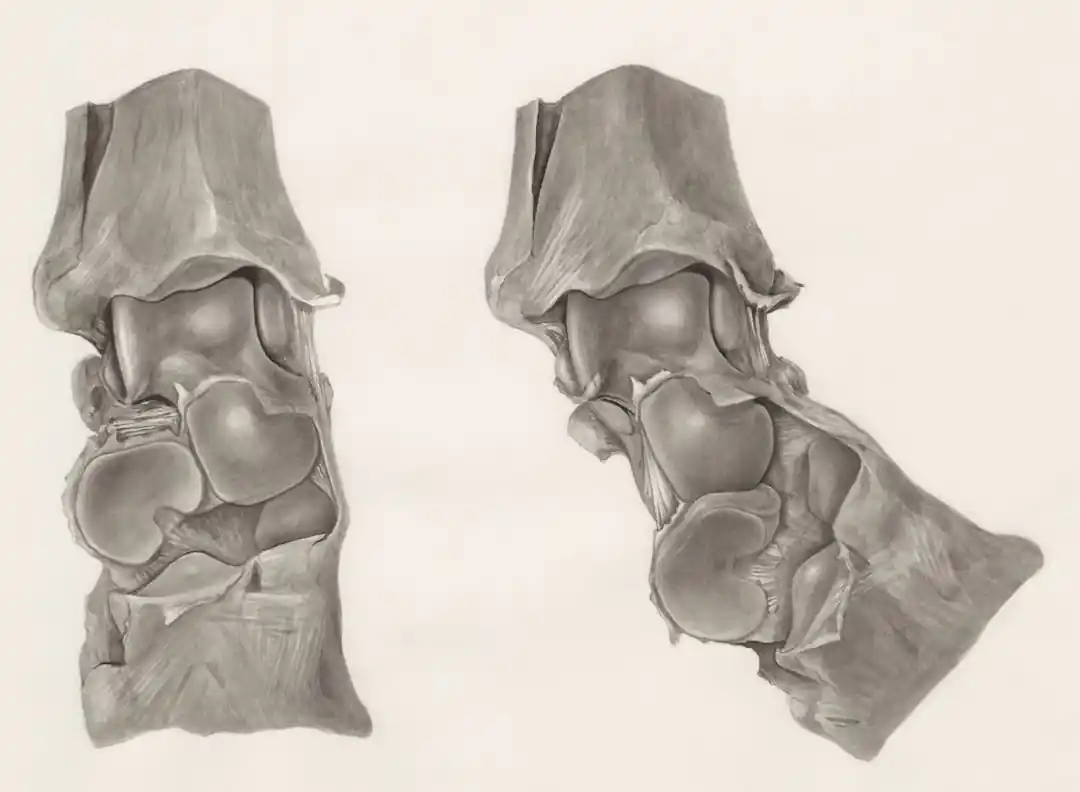
The knees face a similar battle. As the largest joints in the body, they are responsible for absorbing impact and facilitating movement. For a tall person, the longer femur and tibia create greater leverage, increasing the forces that act upon the knee joint. Activities that are perfectly healthy for others, like running or jumping, can be significantly more impactful. This is why many tall athletes are particularly prone to knee injuries. The constant, amplified stress can wear down cartilage and strain ligaments, leading to chronic pain and instability.
Proactive Strategies for Joint Preservation
Hearing all this might sound disheartening, but it’s actually empowering. Knowledge is power, and understanding these risks is the first step toward mitigating them. The most effective strategies are proactive and focus on support and mindful movement.
First and foremost is building a strong core. Your core muscles—the network of muscles in your abdomen, back, and pelvis—are your body's natural corset. A strong core stabilizes the spine, taking a significant amount of pressure off your lower back. Incorporating exercises like planks, bird-dogs, and dead bugs into your routine can build the endurance needed to support your long frame throughout the day.
Similarly, strengthening the muscles around your joints is crucial. For the knees, this means focusing on the quadriceps, hamstrings, and glutes. Strong muscles act as shock absorbers, deflecting stress away from the joint cartilage and ligaments. Low-impact exercises like swimming, cycling, and using an elliptical machine are fantastic for building this strength without the jarring impact of running.
Finally, don’t underestimate the power of flexibility and ergonomics. Daily stretching, especially for the hamstrings and hip flexors, can alleviate a lot of the tension that pulls on the lower back. And adapting your environment to fit you—not the other way around—is a game-changer. This could mean investing in an ergonomic office chair, raising your computer monitor to eye level, or using a stool to prop up a foot while standing for long periods. These small adjustments can lead to massive relief over time. Being tall is a gift, and with a little extra awareness and care, you can ensure your body stays as strong and resilient as you are.

Unleashing Your Inner VFX Artist: The Best Software for Beginners in 2026
From Canals to Mountains: Your Perfect One-Week Northern Italy Itinerary

Related Posts
 NUTRITION
The Simple Pre-Workout Fueling Strategy That Saved My Long Runs
Discover how timing your carbohydrates and embracing simple foods can eliminate mid-workout fatigue and unlock your true endurance potential.
 FITNESS
No Gym, No Problem: The Ultimate Guide to Bodyweight Fitness at Home
Forget expensive memberships. Discover how to build serious strength and transform your body using the most powerful tool you already own: yourself.

Popular Posts

Rethinking Non-Profit Promotion: Creative Strategies That Actually Drive Event Impact

Beyond Stark White: The Best Interior Paint Colors to Light Up Your New Space

How to Actually Master a New Language on Your Own (No Magic Gene Required)