It's more than just a heavy coat. Here’s how to actually stay safe and warm when the temperature plummets.
There’s a certain magic to a world blanketed in snow, isn't there? The quiet that settles over everything, the crispness of the air. It calls for road trips, for cozy cabin getaways, for seeing familiar landscapes transformed. But as anyone who has ever been stranded with a dead car battery in freezing temperatures can tell you, that magic can turn into a serious problem, fast.
Honestly, I used to think I was invincible in the cold. I grew up in a place with real winters, so I figured a good jacket was all I needed. It wasn't until a trip got seriously derailed by a sudden blizzard that I realized how much I didn't know. Being prepared for extreme cold isn't just about comfort; it's a fundamental part of travel safety that we often overlook until it's too late.
So, let's talk about what it really means to be ready. This isn't about being paranoid; it's about being smart. It's about giving yourself the peace of mind to actually enjoy the stark beauty of winter without a nagging voice in the back of your head wondering, "what if?"
Your Wardrobe is Your First Line of Defense
The single biggest mistake people make in the cold is focusing on one big, bulky coat. The secret, which seasoned outdoor enthusiasts have known forever, is layering. It’s a system that traps air, creating insulation, and gives you the flexibility to adapt as your activity level or the weather changes. Think of it as creating your own personal climate control.
The system is simple: a base layer, a mid-layer, and an outer layer. Your base layer sits against your skin, and its job is to wick moisture away. This is critical. If your skin is wet, you're going to get cold, no matter what else you're wearing. Look for materials like merino wool or synthetic fabrics (like polyester or polypropylene). Please, for the love of all that is warm, avoid cotton. It absorbs sweat and will leave you chilled and miserable.
Next comes the mid-layer, which is your primary insulator. This is where you put your cozy fleece, a down vest, or a thick wool sweater. This layer’s job is to trap the body heat that your base layer has helped keep dry. You can even double up on mid-layers if it's truly frigid.
Finally, the outer layer, or shell, is your shield against the elements. It needs to be windproof and waterproof (or at least water-resistant). This is your Gore-Tex jacket or other technical shell that keeps snow, sleet, and wind from penetrating your inner layers. And don't forget your extremities! A warm hat is non-negotiable, as are insulated, waterproof gloves and thick wool socks. Cold hands and feet can make an otherwise manageable situation feel unbearable.
Your Car: More Than Just a Ride
When you're traveling in the cold, your car isn't just how you get from A to B; it's your potential lifeline. Breaking down is an inconvenience in July. In January, it can be a life-threatening emergency. Before you even think about heading out on a winter road trip, your vehicle needs a check-up.
Start with the basics. Check your tire pressure, as cold air can cause it to drop. Make sure your tires have enough tread to handle slick roads. If you live in or are traveling to a place with serious snow and ice, winter tires are a worthy investment. Test your battery, as cold weather is notoriously hard on them. Top off all your fluids, especially your antifreeze and windshield washer fluid (and make sure it’s the winter kind that won’t freeze).
Beyond maintenance, you need a winter survival kit in your car at all times. This isn't something to assemble as you're walking out the door. This should live in your trunk from November to April. What's in it? At a minimum: blankets or a sleeping bag, extra layers of clothes (hats, gloves, socks), a first-aid kit, a flashlight with extra batteries, an ice scraper and snow brush, jumper cables, and a small shovel.
I also highly recommend packing some non-perishable, high-energy snacks like granola bars and nuts, along with a few bottles of water. A portable phone charger or power bank is also a modern necessity. If you get stranded, your phone is your connection to help, and you don't want to be rationing your battery life.
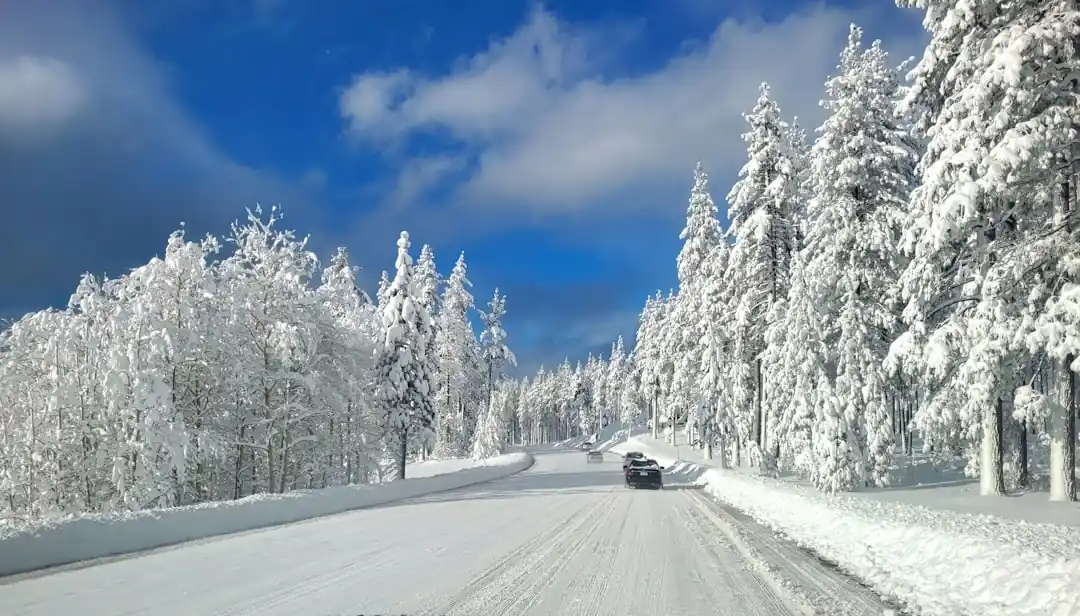
Know the Danger Signs: Hypothermia and Frostbite
This is the part of the conversation that nobody loves, but it's arguably the most important. You need to be able to recognize the signs of serious cold-related illnesses, both in yourself and in your travel companions. These conditions can sneak up on you, especially when you're tired or distracted.
Hypothermia occurs when your body loses heat faster than it can produce it, causing your core body temperature to drop to a dangerous level. The initial signs are often subtle. It's not just shivering. According to the CDC, you should watch for the "umbles" – stumbling, mumbling, fumbling, and grumbling. Confusion, drowsiness, and slurred speech are major red flags. If you suspect someone has hypothermia, get them to a warm, dry place immediately, remove any wet clothing, and cover them with blankets.
Frostbite is different; it's the freezing of body tissue, and it most commonly affects extremities like fingers, toes, your nose, and ears. The first sign is often a pins-and-needles feeling, followed by numbness. The skin may look white or grayish-yellow and feel unusually firm or waxy. If you notice these signs, do not rub the affected area. That can cause more tissue damage. Get to a warm place and use warm (not hot) water or body heat to gently rewarm the area.
In both cases, professional medical attention is crucial, especially in advanced stages. The key is to pay attention to your body and speak up the moment you start to feel "off." There's no award for toughing it out.
Traveling in the winter doesn't have to be intimidating. It’s about shifting your mindset from simply enduring the cold to respecting it. With the right preparation—the right layers, the right gear in your car, and the right knowledge—you’re free to embrace the quiet beauty of the season.
So go ahead, plan that trip. Chase that snowy landscape. Just do it with the quiet confidence that comes from being truly prepared. I hope your travels are warm, safe, and full of wonder.
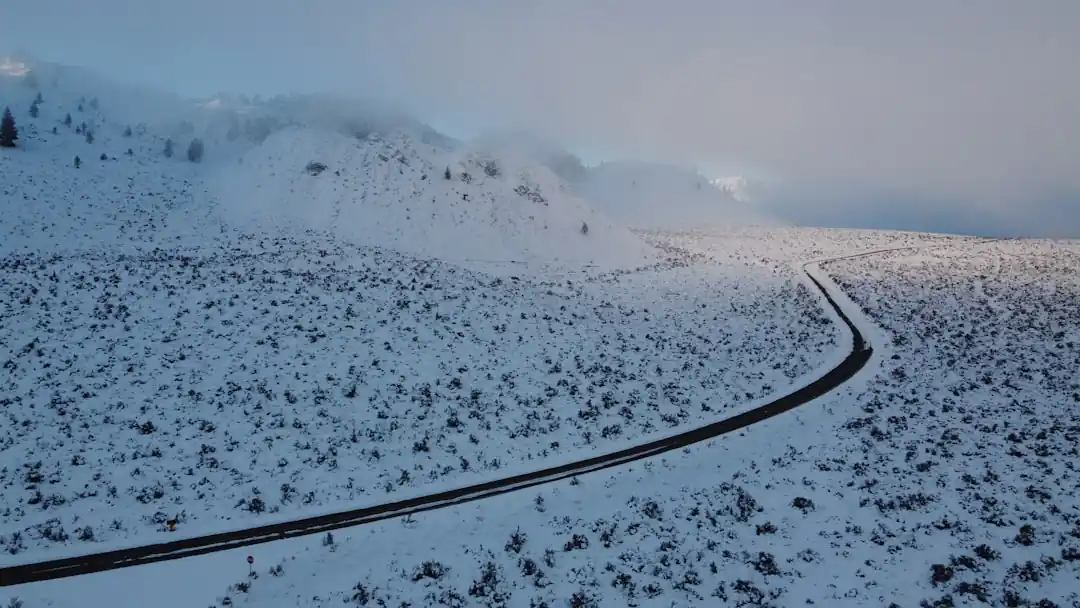
Ice Roads and Icy Rivers: How to Actually Travel Across the Sakha Republic
Packing for Siberia in Winter? Don't Freeze Up, Read This First.
Related Posts
 TRANSPORT
Beyond the Highway: Finding Canada's Soul on a Western Rail Adventure
Forget road trips. I'm talking about rediscovering the romance of travel on Via Rail's most scenic routes through the heart of the Canadian West. It’s an experience that changes you.
 TRAVEL TIPS
The Unwritten Rules of the North: What to Know Before Camping in Canada
Heading to the Great White North for a camping trip? It's an amazing idea. But from campfire etiquette to wildlife wisdom, here’s what you need to know before you go.

Popular Posts

Rethinking Non-Profit Promotion: Creative Strategies That Actually Drive Event Impact

Beyond Stark White: The Best Interior Paint Colors to Light Up Your New Space

How to Actually Master a New Language on Your Own (No Magic Gene Required)
