A comprehensive guide on maintaining health and safety while visiting UK zoos and animal attractions with children, covering hygiene practices and enclosure safety.
Visiting zoos and animal attractions can be a wonderful experience for children, helping them develop an early appreciation for wildlife and nature. However, navigating these spaces with young ones requires an awareness of potential health risks, such as harmful germs, and adherence to site safety protocols. UK zoos maintain licensing and safety standards to protect visitors, but parents and guardians still need to supervise children and reinforce hygiene habits throughout the day. Managing hygiene around animals and respecting visitor boundaries ensures that family outings remain both fun and secure, much like how those seeking wildlife observation in US National Parks must balance curiosity with safety.
Understanding health risks and germ transmission at animal attractions

Animal attractions, including petting farms and zoological parks, are home to various species that may carry harmful germs, even if the animals appear healthy and clean. Pathogens such as E. coli O157, Salmonella, Cryptosporidium, and Campylobacter frequently live in animal digestive tracts as noted in visitor guidance and can be transferred to their fur, paws, and surrounding environments. Young children are particularly vulnerable to these illnesses because their immune systems are still developing, so it is important for parents to recognize the risks and practice prevention.
When planning a visit, guardians should pay close attention to children under the age of five, as they are more prone to putting fingers in their mouths and lack fully mature immune systems. Health guidelines often recommend that very young children avoid direct contact with high-risk animals, including reptiles, amphibians, and birds, until they are older. Furthermore, personal items such as food, sippy cups, pacifiers, and strollers should be kept entirely out of direct animal contact and petting zones to prevent environmental bacteria from contaminating items that children touch or put in their mouths.
It is also important for families to recognize the symptoms of animal-borne illnesses. Common infections transmitted from animals typically manifest symptoms between two to seven days after exposure, including diarrhea, vomiting, nausea, fever, body aches, and headaches. If a child develops any of these symptoms following a visit to a zoo or petting farm, parents should contact a healthcare provider immediately and mention the recent animal exposure to help with diagnosis and treatment.
Essential hygiene and handwashing protocols
Essential Hygiene Checklist
- Wash hands with soap and warm water — Hand sanitizers and alcohol-based wipes are not effective against germs like E. coli.
- Wash hands for at least 20 seconds — Required after touching animals, contact with surroundings, or using the toilet.
- Supervise children during handwashing — Ensure thorough cleaning before eating, drinking, or touching faces.
- Avoid eating or drinking in animal contact areas — Prevent children from eating snacks or putting fingers in their mouths before washing.
- Cover cuts, grazes, and scratches — Apply waterproof dressings before entering the attraction.
- Refrain from kissing animals — Avoids placing the face and mouth in direct contact with bacteria.
- Clean footwear or change shoes upon leaving — Use site facilities to prevent tracking germs home.
The most effective defense against animal-borne germs is proper hand hygiene. Hand sanitizers and alcohol-based wipes are not effective against robust germs like E. coli, so soap and warm water are necessary. Children should wash their hands for at least 20 seconds after touching animals, coming into contact with animal surroundings, or using the toilet. Adults should supervise these handwashing sessions to ensure children clean their hands properly before eating, drinking, or touching their faces.
Visitors should avoid eating or drinking in animal contact areas and ensure children do not put fingers in their mouths or eat snacks before washing their hands. Other precautions include covering any cuts, grazes, or scratches on a child's hands with waterproof dressings before entering the attraction. Families should also refrain from kissing animals, as this places the face and mouth in direct contact with bacteria. Finally, upon leaving the attraction, visitors should use site facilities to clean footwear or change shoes to prevent tracking germs home.
Navigating enclosure safety and zoo regulations
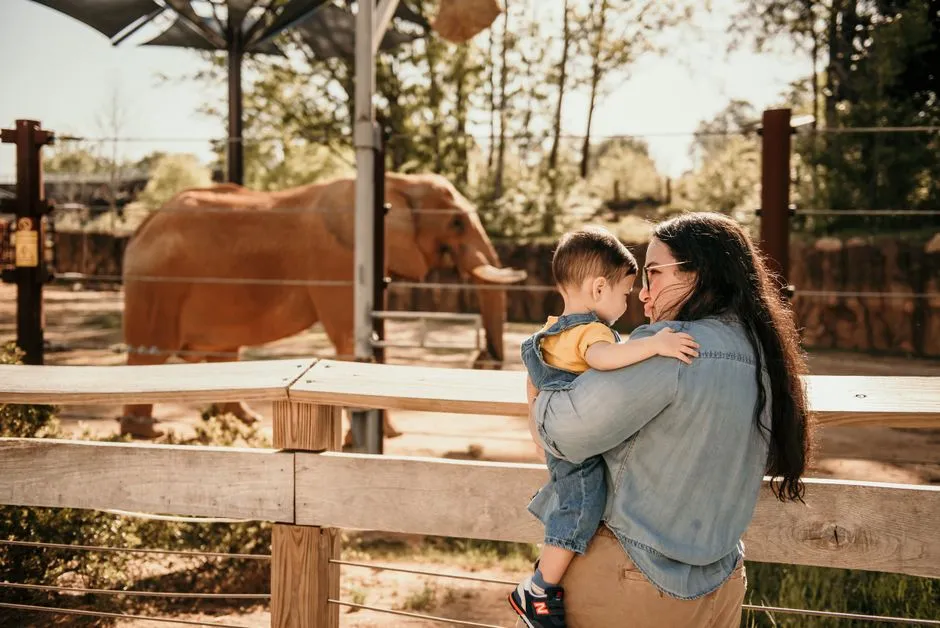
UK zoos operate under legal frameworks that require licensing and adherence to safety procedures to protect both visitors and the animals. Category 1A enclosures—which house high-risk species such as big cats, elephants, rhinos, and great apes—use multiple layers of protection, including secure locks and perimeter barriers. This multi-layered design is intended to prevent accidental entry into high-risk zones.
Despite these structural safeguards, recent incidents highlight that human behavior and intentional breaches of safety barriers remain the primary risk factors in zoological environments. Because captive animals are not habituated to close human presence, unapproved entry into an enclosure can be extremely dangerous. Parents should model respectful behavior, obey all warning signs, stay behind viewing barriers, and keep children close to prevent impulsive actions. Respecting the boundaries established by zoo management supports the overall safety of the park.
References
Plan a safe and educational family day at London Zoo
Top virtual assistant apps that prioritize user privacy and local data processing

Related Posts
 TRAVEL
Best train routes for visiting zoos near major UK cities
Discover how to easily travel by train to some of the top-rated wildlife parks and zoos located near major urban centers across the United Kingdom.
TRAVELPlan a safe and educational family day at London Zoo
Discover how to plan a safe, engaging, and educational family day out at London Zoo, featuring interactive play areas, animal encounters, and learning resources.