Don't Just Survive a Canadian Winter, Embrace It: A Local's Packing Guide
Thinking of visiting Canada in the winter? As a local, I'm sharing the essential, no-fluff packing list that will keep you warm and ready for the magic.
I’ll never forget the look on my friend’s face during his first visit from California. He stepped out of the airport, took a deep breath of the crisp January air, and his eyes widened in a way I can only describe as pure, unadulterated shock. He was wearing a stylish, thin jacket that he swore was his "winter coat." That day, his education in what "winter" truly means began. A Canadian winter isn't just a season; it's an experience. It’s a deep, biting cold that demands respect, but it also offers a breathtaking, silent beauty that you can't find anywhere else on earth.
The secret to not just surviving but truly falling in love with our winter wonderland is all in the preparation. It’s about understanding that the right gear isn’t about fashion—it’s about function. When temperatures can dip to levels that feel otherworldly, being properly dressed is the key that unlocks the door to enjoying everything from a quiet, snowy walk in the city to the exhilarating thrill of a mountain adventure.
So, let’s talk about how to gear up properly. Forget what you think you know about cold weather gear. We’re going deep into the art and science of staying warm, the Canadian way.
The Unbreakable Rule: Layering is Everything
If you take only one piece of advice from this, let it be this: layers are not optional. This is the fundamental principle of winter comfort, a system that allows you to adapt to the shocking difference between the frigid outdoors and the toasty warmth of indoors. The goal isn't just to pile on clothes; it's to create a personal insulation system that traps your own body heat.
Your first and most important layer is the base layer. This is what sits right against your skin, and its primary job is to wick moisture away. Honestly, this is where most people go wrong. They reach for a cotton t-shirt, which is the absolute worst thing you can do. Cotton is like a sponge; it absorbs sweat and holds it against your skin, making you damp and cold. The gold standard for a base layer is merino wool. It’s soft, it’s incredibly warm, and it pulls moisture away from your body to keep you dry. A good set of merino wool long underwear (top and bottom) is the best investment you can make for your trip.
Next comes the mid-layer, which is your primary insulator. This layer’s job is to trap the warm air your body generates. Think of materials like fleece, a down-filled vest, or a thick wool sweater. The beauty of the mid-layer is its versatility. On a milder day, a fleece might be all you need over your base layer. When the temperatures really plummet, you might wear a fleece and a wool sweater. It’s all about having options to add or remove as your activity level and the environment change.
Finally, you have the outer layer, or your shell. This is your shield against the elements. It needs to be two things without compromise: windproof and waterproof. A good Canadian winter coat is often called a parka for a reason—it’s a serious piece of equipment. Look for one that is well-insulated (down or high-quality synthetic fill), has a hood to protect your head and neck from biting wind, and is long enough to cover your hips. This isn't the place to skimp. A quality outer layer is what stands between you and the harshness of the wind and snow.
Accessories: The Unsung Heroes of Warmth
Never, ever underestimate the importance of accessories. Your core might be warm, but if your ears, hands, and feet are frozen, you’re going to be miserable. These are the items that seal up all the gaps and protect your most vulnerable parts.
Let’s start from the top. You need a hat. In Canada, we call it a toque (pronounced toohk), and it’s an essential piece of our national winter uniform. Get a good one made of wool or a thermal fleece blend that fully covers your ears. A huge amount of body heat is lost through your head, so covering it is non-negotiable. A scarf or a neck gaiter (which is often more practical for activities) is also crucial for preventing cold air from sneaking down your collar.

For your hands, mittens are almost always better than gloves. By keeping your fingers together, they share warmth and stay much toastier. A great local trick is to wear a thin pair of liner gloves inside your main mittens. This gives you an extra layer of insulation and allows you to slip off the outer mitten for quick tasks, like using your phone, without exposing your bare skin to the cold. Make sure your outer mittens are waterproof.
And finally, the feet. Your choice of footwear can make or break your entire trip. You need a pair of insulated, waterproof winter boots with a thick, grippy sole. Ice is a constant hazard, so good traction is vital. Pair these boots with warm socks, and once again, merino wool is your best friend. Pack several pairs. There is nothing more comforting after a long day in the cold than putting on a fresh, dry pair of warm socks.
The Little Things You Might Not Think Of
Beyond the big items of clothing, there are a few small things that can make a world of difference. The winter air in Canada is incredibly dry, so lip balm is an absolute must-have to prevent chapped lips. A good, thick moisturizer for your hands and face will also save you a lot of discomfort.
Another thing to consider is the sun. It might sound strange, but the glare from the snow can be intense and blinding. A pair of sunglasses or ski goggles is essential, especially if you’ll be in the mountains or near open, snowy landscapes.
Finally, a portable power bank for your phone is a smart idea. Cold temperatures drain batteries at an astonishingly fast rate. Having a backup charger ensures you won’t be caught without a map or a way to contact someone when you’re out and about.
Packing for a Canadian winter is about being strategic and respecting the power of nature. But once you’re wrapped in your cozy layers, you’ll be free to discover the quiet, profound beauty of the season. The crispness of the air, the sound of snow crunching under your boots, and the sight of a world blanketed in white is a magic all its own. Stay warm out there.

Your Great Canadian Road Trip: A Guide to Renting the Perfect Car
Beyond the Border: Why These Canadian National Parks Are a Must-See

Related Posts
 TRANSPORT
Beyond the Highway: Finding Canada's Soul on a Western Rail Adventure
Forget road trips. I'm talking about rediscovering the romance of travel on Via Rail's most scenic routes through the heart of the Canadian West. It’s an experience that changes you.
 TRAVEL TIPS
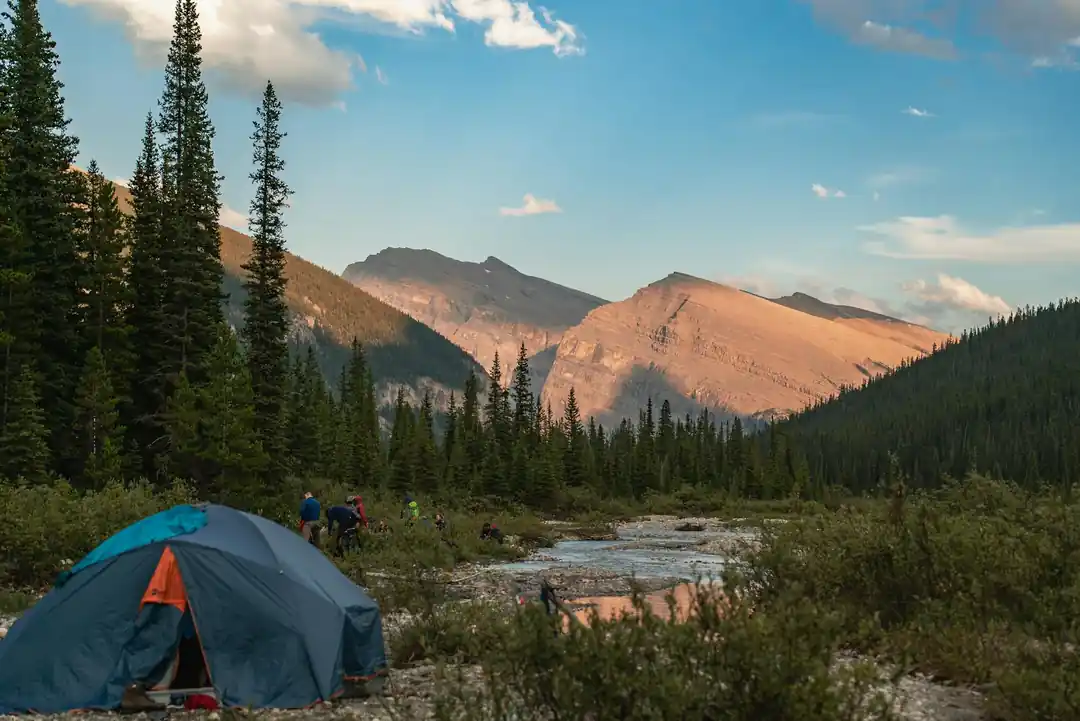
The Unwritten Rules of the North: What to Know Before Camping in Canada
Heading to the Great White North for a camping trip? It's an amazing idea. But from campfire etiquette to wildlife wisdom, here’s what you need to know before you go.
Popular Posts

Rethinking Non-Profit Promotion: Creative Strategies That Actually Drive Event Impact

Beyond Stark White: The Best Interior Paint Colors to Light Up Your New Space

How to Actually Master a New Language on Your Own (No Magic Gene Required)
