It’s a question many of us ask: which martial art is truly effective for self-defense? Let's cut through the noise and find the path that builds real confidence.
Let’s be honest for a second. The thought of having to defend yourself or a loved one is terrifying. It’s a scenario we all hope to avoid, yet in the back of our minds, we wonder, "Could I handle it?" For years, I was fascinated by the fluid, powerful movements I saw in movies, but I always dismissed them as pure fantasy. It wasn't until I had a late-night walk home that felt just a little too unnerving that I decided to turn that passive curiosity into an active pursuit of confidence. That’s when I fell down the rabbit hole of choosing a martial art for self-defense.
The journey can feel overwhelming. Every gym and dojo in the US seems to promise that their style is the ultimate solution. You’ll see ads for the brutal efficiency of Krav Maga, the ground-game dominance of Brazilian Jiu-Jitsu, and the lightning-fast kicks of Taekwondo. But here’s the secret I learned: the "best" martial art isn't a one-size-fits-all answer. It's deeply personal. It’s about finding the style that clicks with your body, your mindset, and your life.
This isn't about becoming a cage fighter or a movie hero. It's about building practical skills that work under pressure, when adrenaline is coursing through your veins and there are no rules or referees. It’s about developing situational awareness to avoid the fight altogether, and the unshakable confidence that comes from knowing you are not helpless. So, let's walk through this together and figure out how to find the right path for you.
First, Let's Get Real: Self-Defense vs. Sport
One of the first hurdles is understanding the crucial difference between a martial art practiced for sport and one tailored for self-defense. Many traditional arts have evolved into incredible sports that build discipline, athleticism, and respect. Think of the point-sparring in Karate or the controlled throws in Judo. These are amazing for competition, but they often operate under a set of rules that simply don't exist in a dark parking lot.
A true self-defense system operates on a different principle: survival. It assumes your attacker is bigger, stronger, and not playing by any rules. This is where systems like Krav Maga have gained so much popularity. Born from the needs of the Israeli military, its core philosophy is to neutralize a threat as quickly and efficiently as possible by targeting an assailant's most vulnerable points—eyes, throat, groin. There are no illegal moves when your life is on the line.
This doesn't mean sport-focused arts are useless. Far from it. The live, full-resistance sparring in Brazilian Jiu-Jitsu (BJJ), for example, is one of the most effective ways to learn how to control a resisting opponent. A recent study I came across highlighted that a huge percentage of street fights end up on the ground, which is exactly where BJJ excels. The key is to find a school, regardless of the style, that acknowledges the realities of self-defense and incorporates that context into its training.
The Big Three: What's Your Style?
While there are hundreds of martial arts, a few consistently rise to the top when the conversation turns to practical self-defense in the US. Let's break down the most popular and effective styles to see which might resonate with you.
Krav Maga: The Survival System
If your primary goal is to learn how to handle a wide variety of threats in the shortest amount of time, Krav Maga is a top contender. It’s less of a traditional "art" and more of a tactical system. It teaches you to defend against common attacks, from chokes and headlocks to threats with knives or bats. The focus is on explosive, simultaneous defense and attack to create an opportunity to escape. It’s direct, brutally efficient, and designed to be learned by anyone, regardless of size or athletic ability.
Brazilian Jiu-Jitsu (BJJ): The Ground Game
BJJ is often called "the gentle art," but don't let the name fool you. It was designed to allow a smaller person to defeat a larger opponent through leverage, joint locks, and chokeholds. Given that most real fights end up in a messy clinch or on the ground, knowing how to grapple is a massive advantage. BJJ builds incredible problem-solving skills under pressure. When someone is on top of you, you learn to stay calm and systematically work your way to a dominant position or a submission. It's a physical chess match that builds immense confidence.
Muay Thai / Kickboxing: The Striking Powerhouse
If the idea of grappling on the ground doesn't appeal to you, a striking-based art like Muay Thai or Western Kickboxing might be a better fit. Muay Thai, known as "the art of eight limbs," uses fists, elbows, knees, and shins to create a formidable arsenal of weapons. It's fantastic for learning how to generate power and how to defend against strikes. The conditioning is intense, and you’ll develop incredible toughness. You learn to manage distance, which is a critical skill in keeping an attacker at bay.
Finding Your Tribe: The School Matters More Than the Style
You could pick the "perfect" martial art, but if you end up at the wrong school, you won't stick with it. The instructor and the training environment are everything. I cannot stress this enough. A great instructor is a mentor who is invested in your growth, not a drill sergeant or a cult leader.
When you visit a potential school—and you should always take a trial class—pay attention to the atmosphere. Do the senior students seem helpful and welcoming to beginners, or is there a toxic, competitive vibe? A good dojo fosters a sense of community and mutual respect. Look for a clean training space and an instructor who can clearly articulate not just the "how" but the "why" behind a technique. Ask about their approach to self-defense. Do they pressure-test techniques? Do they discuss the legal and ethical implications of using force?
Finally, consider the practicalities. Is the class schedule compatible with your life? Is the location convenient enough that you'll actually go? And be wary of schools that demand you sign a long-term, iron-clad contract from day one. A confident school knows its value and will let you try it out first. This journey is a marathon, not a sprint. Finding a place where you feel you belong is the most important step of all. It’s the community that will keep you coming back, long after the initial motivation fades.

Lost in the Inbox? Why Gmail Hides Your Important Emails and How to Fix It
Beyond the Ride: A Simple Daily Rhythm for a Happy Horse

Related Posts
 NUTRITION
The Simple Pre-Workout Fueling Strategy That Saved My Long Runs
Discover how timing your carbohydrates and embracing simple foods can eliminate mid-workout fatigue and unlock your true endurance potential.
 FITNESS
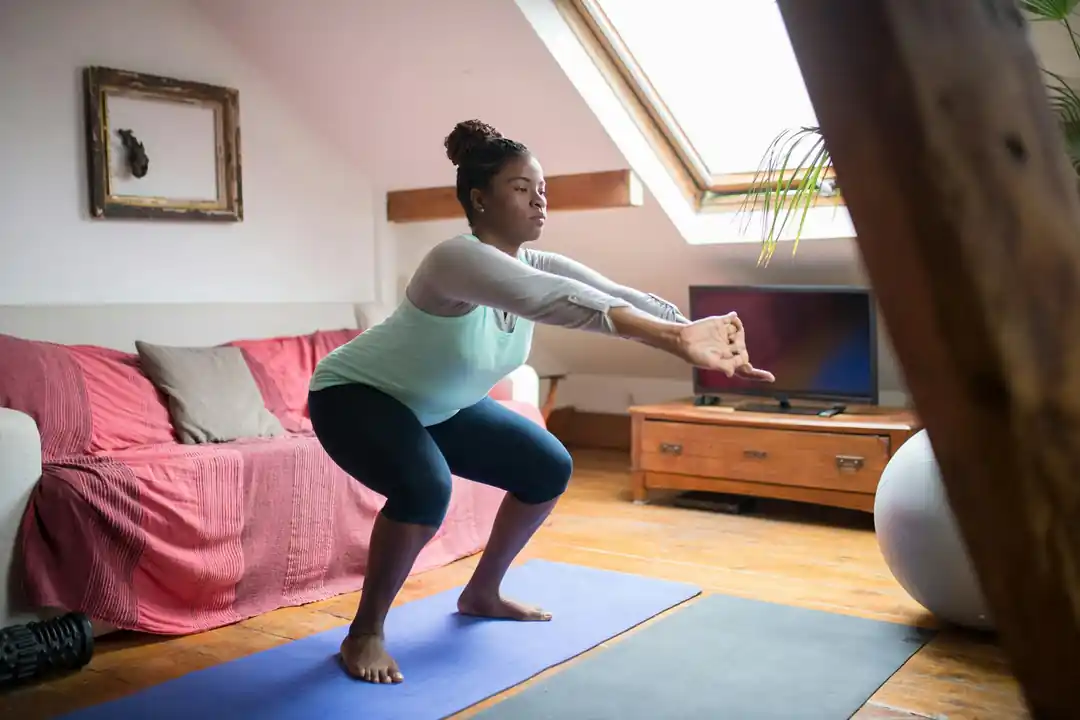
No Gym, No Problem: The Ultimate Guide to Bodyweight Fitness at Home
Forget expensive memberships. Discover how to build serious strength and transform your body using the most powerful tool you already own: yourself.

Popular Posts

Rethinking Non-Profit Promotion: Creative Strategies That Actually Drive Event Impact

Beyond Stark White: The Best Interior Paint Colors to Light Up Your New Space

How to Actually Master a New Language on Your Own (No Magic Gene Required)