Don't Be That Tourist: The Real Rules of Dining in Italy
Planning a trip to Italy? The food is a huge part of the magic, but navigating the unwritten rules of the Italian table can be tricky. Here’s how to dine like a local, not a tourist.
Let’s be honest, a huge reason we dream of Italy is the food. Visions of perfect pasta, wood-fired pizza, and creamy gelato dance in our heads long before we ever book a flight. I’ve been there. My first trip was basically a self-guided food tour that left me in a state of blissful carb-induced delirium. But I also remember feeling a little… clumsy. A bit like an outsider looking in on a beautiful, delicious, and slightly confusing ritual.
I ordered a cappuccino after dinner (a rookie mistake I now shudder to recall), wondered why no one brought me olive oil for my bread, and felt completely lost when it came to tipping. While Italians are some of the most gracious and welcoming people you'll ever meet, their dining culture is steeped in tradition. It’s a set of unspoken rules, a galateo della tavola, that everyone just seems to know.
But here’s the thing: learning these rules isn’t about being stuffy or trying to be someone you’re not. It’s about respect. It’s a way of showing appreciation for a culture that has elevated the simple act of eating into an art form. Understanding the rhythm of an Italian meal allows you to sink into the experience more deeply, to connect with the locals on their terms, and to savor every moment without the quiet anxiety of wondering if you’re committing a major faux pas. So, let’s talk about how to pull up a chair and dine like you’ve been doing it your whole life.
The Sacred Order of Courses
One of the first things you'll notice on an Italian menu is that it's structured very differently from what we're used to in the US. It’s not just a list of options; it’s a journey. A traditional meal is broken down into several courses, and while you are by no means obligated to order all of them, understanding the sequence is key. It’s a marathon, not a sprint, so pace yourself.
First comes the Antipasto. This is the starter, a little something to whet your appetite. It could be a platter of cured meats (salumi), cheeses (formaggi), or marinated vegetables. Then you move on to the Primo, or first course. This is almost always a carbohydrate: a pasta dish, a risotto, or a soup. For many Americans, this is the most confusing part. We’re used to pasta being a main event, sometimes with chicken or shrimp thrown in, but in Italy, it’s the opening act for the main course.
Next up is the Secondo, the main course. This is where you’ll find your proteins—meat, fish, or poultry. It’s served simply, allowing the quality of the main ingredient to shine. This brings us to the Contorno, or side dish. Vegetables or potatoes are ordered separately and served alongside your secondo. They won’t automatically come with your fish or steak, so if you want a side of roasted potatoes or spinach, you need to order it. Finally, if you still have room, there’s the Dolce (dessert), followed by a caffè (espresso) and perhaps a digestivo (a digestive liqueur like amaro or limoncello).
The Great Bread and Coffee Misconceptions
Two of the biggest tells of a tourist are how they handle their bread and their coffee. Let’s start with the bread basket that lands on your table. In the US, we’d immediately look for some butter or a dish of olive oil for dipping. Resist this urge in Italy. Bread is not an appetizer here; it’s a tool. It’s there to be eaten with your meal, to help push food onto your fork, or, most importantly, to perform fare la scarpetta—"make a little shoe"—by sopping up every last, delicious drop of sauce from your plate. It’s a compliment to the chef and a deeply satisfying act.
Then there’s the coffee. Italian coffee culture is a religion with its own sacred texts. The most important commandment is this: milky coffees like cappuccino, caffè latte, or latte macchiato are strictly for the morning. They are considered a breakfast item. Ordering a cappuccino after a meal, especially dinner, is seen as a digestive disaster by Italians and will instantly mark you as a foreigner.
It’s not that they’ll refuse to serve you one—they’re too polite for that—but you might get a gentle, knowing look. After a meal, the only acceptable coffee is a simple caffè, which is a shot of espresso. It’s meant to help settle your stomach and cap off the meal. If you just say "un caffè, per favore," you'll get an espresso. If you want a long black, you can ask for a caffè americano, which is espresso with hot water added.
Pasta, Pizza, and Payment
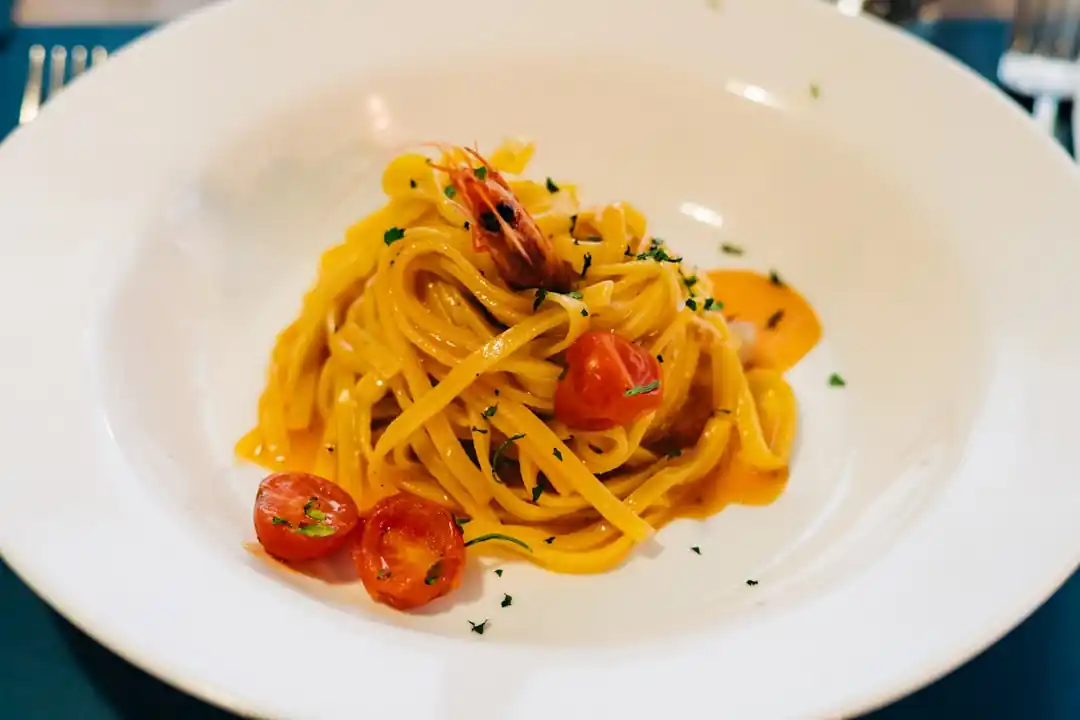
Eating pasta in Italy is a surprisingly elegant affair. The number one rule? Do not use a spoon to twirl your spaghetti or linguine. That is for children. The proper way is to use your fork alone, pressing the tines against the side of the plate to gather a small, neat nest of pasta. Also, never cut your pasta with a knife. It’s considered a bit of a culinary crime. And perhaps the most controversial rule for outsiders: never ask for extra cheese on a pasta dish that involves seafood. The Italian palate dictates that the strong flavor of cheese overpowers the delicate taste of the fish. Trust the chef; they know what they're doing.
When it comes to pizza, things are a bit more relaxed. In a casual pizzeria, it’s perfectly acceptable to eat it with your hands. In a more formal restaurant setting (ristorante), you’ll be given a knife and fork, and you should use them. You’ll see locals cutting their pizza into slices and then eating each slice with their hands, or continuing to use the knife and fork. Either way is fine.
Finally, the bill. When you’re ready to pay, you’ll likely have to ask for it by saying "Il conto, per favore." It won’t be brought to you automatically, as rushing a table is considered rude. On the bill, you’ll see a charge called the coperto, which is a per-person cover charge for the bread and table setting. This is not a tip. Tipping, or la mancia, is not expected in Italy in the way it is in the US. Service staff are paid a full wage and don’t depend on tips. If you had exceptional service, it’s a kind gesture to round up the bill or leave one or two Euros per person. A 10% tip would be considered extremely generous.
Ultimately, the most important rule of dining in Italy is to relax and enjoy it. These customs are not meant to be a stressful test, but a window into a culture that finds immense joy in the simple act of sharing a meal. So savor the flavors, drink the wine, and embrace the beautiful, delicious chaos of it all. Buon appetito!
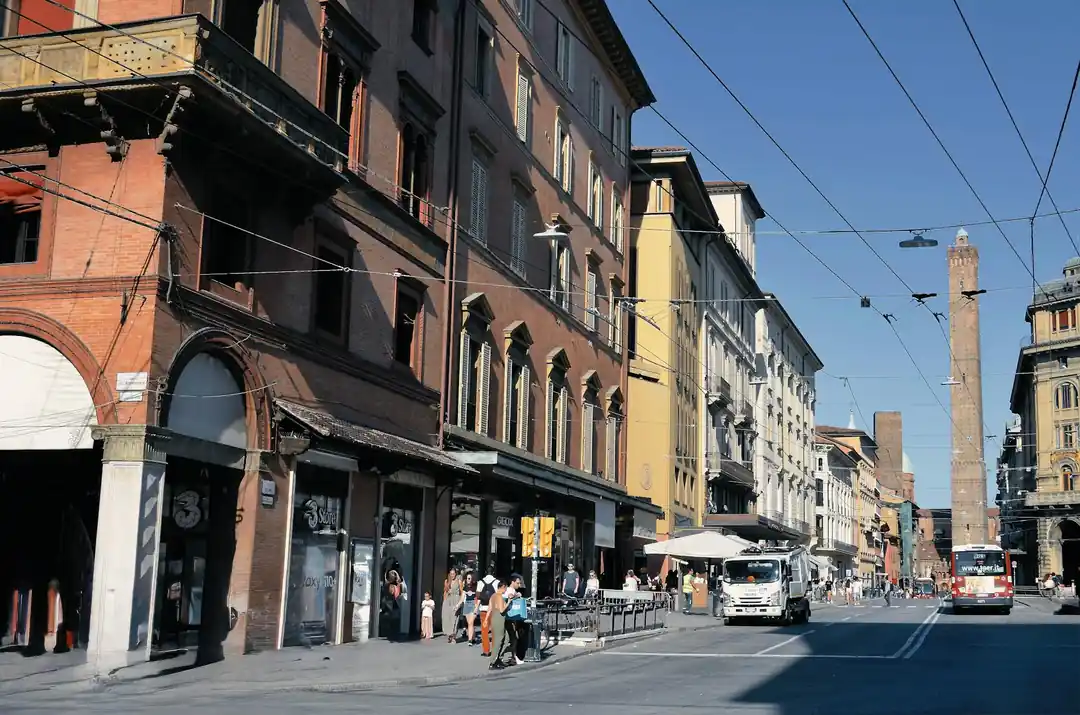
Hopping on the Bus in Bologna: A Traveler’s Guide to Getting Around
That Solo Trip to Northern Italy? Here’s How to Actually Budget For It.
Related Posts
 TRANSPORT
Beyond the Highway: Finding Canada's Soul on a Western Rail Adventure
Forget road trips. I'm talking about rediscovering the romance of travel on Via Rail's most scenic routes through the heart of the Canadian West. It’s an experience that changes you.
 TRAVEL TIPS
The Unwritten Rules of the North: What to Know Before Camping in Canada
Heading to the Great White North for a camping trip? It's an amazing idea. But from campfire etiquette to wildlife wisdom, here’s what you need to know before you go.

Popular Posts

Rethinking Non-Profit Promotion: Creative Strategies That Actually Drive Event Impact

Beyond Stark White: The Best Interior Paint Colors to Light Up Your New Space

How to Actually Master a New Language on Your Own (No Magic Gene Required)
