We all think it won't happen to us. But true fire safety is more than just a smoke detector. Let's talk about the essential, life-saving steps every homeowner should take.
There’s a certain peace that settles into a home. It’s in the familiar scent of your laundry detergent, the way the afternoon sun hits the living room floor, and the quiet hum of the refrigerator. It’s a feeling of sanctuary, a place where the chaos of the world is kept at bay. We build these havens for ourselves and our families, filling them with memories and comforts. But what if I told you that the greatest threat to this sanctuary often comes from within, from the very things that bring us comfort?
Honestly, for years, I treated fire safety as a "set it and forget it" task. I’d dutifully change the smoke alarm batteries when they started chirping (usually at 3 AM, of course) and figured I had done my part. It felt like a distant problem, something you see in movies or on the local news. It wasn't until I read a report from the National Fire Protection Association (NFPA) that the reality hit me. The statistics are not just numbers; they are stories of families, homes, and lives turned upside down in an instant.
That realization shifted my perspective entirely. Fire safety isn't a passive checklist; it's an active, ongoing practice. It’s a series of small, intentional habits that create a powerful shield of protection around your home and loved ones. It’s about moving beyond simply having an alarm to truly understanding how to prevent a fire, how to detect it early, and exactly what to do when those precious seconds count.
The Unspoken Numbers: Why This Matters More Than You Think
It’s easy to live in a state of “it won’t happen to me.” It’s a comfortable thought, but a dangerous one. According to the NFPA, U.S. fire departments respond to a fire somewhere in the nation every 23 seconds. Even more sobering, a fire occurs in a home structure every 93 seconds. These aren't just happening in old, dilapidated buildings; they are happening in neighborhoods that look just like yours.
The most heart-wrenching statistic, for me, is this: three out of every five home fire deaths resulted from fires in homes with no smoke alarms or no working smoke alarms. Think about that. The risk of dying in a reported home fire is cut in half in homes with working smoke alarms. This simple, affordable device is one of the most powerful tools you have, yet its potential is only unlocked if it’s properly installed and maintained.
And what’s sparking these tragedies? It’s not mysterious, complex events. The leading cause of home fires and fire injuries is unattended cooking. We’ve all been there—you step away to answer the door or check your phone, and suddenly the pan is smoking. Heating equipment is the second leading cause of home fire deaths, often from placing space heaters too close to flammable items. Electrical distribution and lighting equipment, candles, and smoking materials follow close behind. These are the mundane, everyday parts of our lives, which is precisely why vigilance is so critical.
Your First Line of Defense: Mastering Smoke & CO Alarms
If your home is a castle, then smoke and carbon monoxide (CO) alarms are the sentinels on the wall. They are your 24/7 watchmen, tasked with the single most important job in a fire: providing an early warning. A fire can become life-threatening in just two minutes, and the smoke it produces can be even more dangerous than the flames. An alarm gives you and your family the gift of time.
The NFPA has clear guidelines for a reason. You need smoke alarms installed on every level of your home, including the basement. They should be inside each bedroom and outside each separate sleeping area. It might seem like a lot, but a fire can start anywhere, and you want to ensure the alarm is heard no matter where you are. For the best protection, all of your smoke alarms should be interconnected—when one sounds, they all sound. This is especially vital in larger or multi-story homes.
But installation is just step one. These devices need care. Test every alarm in your home once a month by pressing the test button. It’s a five-second task that confirms the device is powered and functioning. Replace the batteries at least once a year (a good habit is to do it when you change your clocks for daylight saving time). And here’s the part many people forget: the alarms themselves have an expiration date. The entire unit should be replaced every 10 years. A decade-old alarm is simply not as reliable. While you're at it, ensure you have CO alarms on each level, too. This odorless, colorless gas is a silent killer, and only a detector can alert you to its presence.
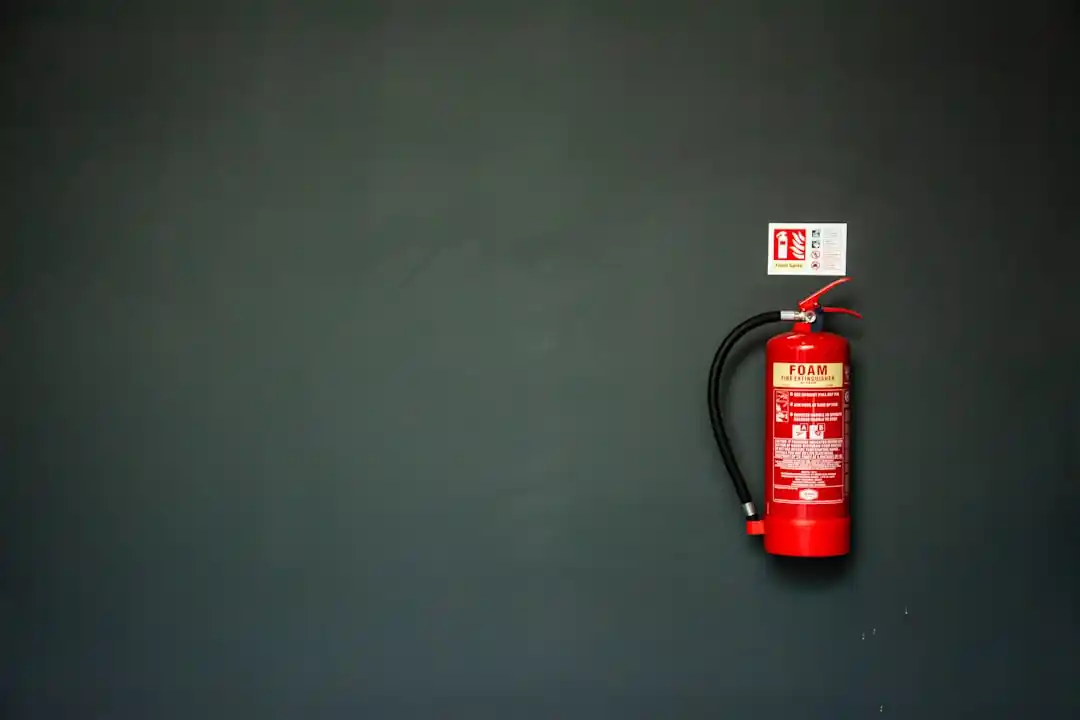
Prevention Is Personal: Everyday Habits That Save Lives
The most effective way to survive a fire is to prevent it from ever starting. This isn’t about living in fear; it’s about cultivating mindfulness in your daily routines. Since cooking is the number one cause of home fires, the kitchen is the most important place to start. The golden rule is to "stand by your pan." Never leave food, especially if you're frying or grilling, unattended. Keep a lid nearby when you're cooking. If a grease fire starts, don't ever use water—it will cause the flaming oil to splash and spread. Instead, slide the lid over the pan and turn off the burner.
Look around your kitchen. Are there towels, paper-towel rolls, or oven mitts near the stovetop? Move them. Create a "kid-free zone" of at least three feet around the stove and areas where hot food or drink is prepared. This simple boundary can prevent horrific scalds and burns.
Beyond the kitchen, think about your electrical and heating systems. Never use extension cords for major appliances. If you notice that an appliance cord is frayed or cracked, replace it immediately. Don't overload your outlets. If you have space heaters, they need space—at least three feet of clearance from anything flammable, like curtains, bedding, or furniture. And always, always turn them off when you leave the room or go to sleep. Finally, if you enjoy candles, use them responsibly. Keep them on a sturdy, uncluttered surface, and extinguish them completely before you leave the room or go to bed.
Seconds to Safety: Crafting and Practicing Your Escape Plan
An alarm is only half the equation. Knowing what to do when it sounds is the other, equally critical half. This is where your home fire escape plan comes in. It’s one of the most important conversations you can ever have with your family, and it needs to be more than just a conversation—it needs to be practiced.
Start by drawing a simple map of your home. Together with your family, identify two ways out of every single room. This usually means a door and a window. Make sure doors and windows are not blocked and can be opened easily. If you have a second story, invest in escape ladders for the upstairs bedrooms and teach everyone how to use them. Then, choose a meeting place outside that is a safe distance from the house—a specific tree, a neighbor’s mailbox, the end of the driveway. This spot is non-negotiable. Everyone goes there immediately upon escaping.
Once you have the plan, you must practice it. Run a home fire drill at least twice a year. Have one during the day and one at night, when most fatal fires occur. Practice getting low and crawling under the smoke, where the air is cleaner. Teach everyone to feel the top of a door with the back of their hand. If it’s hot, use your second way out. The most important rule is simple: once you are out, you stay out. Never go back inside for anything or anyone. Call 911 from outside.
This isn't about scaring your children. It's about empowering them. When you practice, you replace panic with a plan, and fear with automatic, muscle-memory action. You give them, and yourself, the best possible chance of survival.
Ultimately, creating a fire-safe home is an act of love. It’s a quiet, daily commitment to protecting the life you’ve built. It’s found in the simple act of testing an alarm, of clearing space around a heater, of walking through an escape plan with your family. These small moments of diligence are what build a true sanctuary, a place where you can rest easy, knowing you are prepared not just for the everyday, but for the unthinkable, too.

Finding Your Calm, One Step at a Time: The Power of Walking Meditation
Your Bedroom is the New Record Label: An Indie Producer's Guide

Related Posts
 INTERIOR IDEAS
Beyond Stark White: The Best Interior Paint Colors to Light Up Your New Space
Discover how moving away from flat white walls to soft pale blues, earthy sage greens, and cozy warm neutrals can naturally brighten your home.
 HOME IMPROVEMENT
The Honest Winter Energy Guide: How I Cut Heating Costs Without Freezing
Practical, research-backed ways to keep your home warm and your utility bills reasonable this winter, from simple DIY sealing to smart habits.

Popular Posts

Rethinking Non-Profit Promotion: Creative Strategies That Actually Drive Event Impact
Beyond Stark White: The Best Interior Paint Colors to Light Up Your New Space

How to Actually Master a New Language on Your Own (No Magic Gene Required)
