We all have a vague idea of what to do in an emergency, but have you truly planned for your pet's safety? Let's move beyond just a bag of kibble and create a real, actionable disaster plan.
We’ve all seen the checklists. The ones that tell you to have three days of water, a flashlight, and a battery-powered radio. But honestly, how many of us have a dedicated, practiced plan for the furry, four-legged members of our family? I’ll admit, for a long time, my "plan" was to just grab the leash and a bag of food. It wasn't until a wildfire scare a few years back that the terrifying reality hit me: a real disaster is chaos. It's loud, it's stressful, and it's the worst possible time to start figuring things out.
Our pets are completely dependent on us. They can't pack their own bags, they can't find a safe place to shelter, and they can't tell us when they're scared or in pain. Preparing for their safety isn't just about having supplies; it's about having a clear, calm, and comprehensive plan that you can execute without a second thought. It’s about thinking through the unthinkable so that when the time comes, you can be their anchor in the storm.
So, let's move past the simple checklist and talk about what a robust pet disaster plan actually looks like. This is about creating a system that protects them, keeps them with you, and gives you peace of mind in a world that feels anything but peaceful.
The "Go-Bag" Reimagined: More Than Just Food
First, let's tackle the emergency kit. While food and water are the obvious starting points, a truly effective go-bag is a lifeline. The experts at the ASPCA and FEMA suggest having enough food and water for at least five to seven days. Don't just throw a scoop in a ziplock bag; use an airtight, waterproof container. If you use canned food, pack a can opener. It seems simple, but it's the one thing everyone forgets. The same goes for water—have a separate supply just for them.
But sustenance is just the beginning. Your pet's health is paramount. Pack a two-week supply of any necessary medications, along with a list of dosages and your vet's contact information. A pet-specific first-aid kit is also a must. This should include things like non-stick bandages, antiseptic wipes, and any calming supplements your pet might need. Think about the stress of the situation and how you can mitigate it.
Finally, think about identification. In the chaos of an evacuation, pets can easily get lost. Make sure your pet is microchipped and that the registration is up to date. Your go-bag should contain a recent photo of you and your pet (to prove ownership), copies of their vaccination records, and their microchip number. Have sturdy leashes, harnesses, and a reliable carrier ready to go. A carrier isn't just for transport; it's a safe, enclosed space for your pet in a chaotic environment.
The Evacuation Plan: Where Will You Go?
This is the part that requires the most forethought. You may have to leave your home, and when you do, you need to know where you can go with your pet. Not all emergency shelters accept animals (for health and safety reasons), so you cannot rely on them as your primary option. This is something you need to figure out right now.
Start by researching pet-friendly hotels and motels in a 50-100 mile radius. Make a list of their names, addresses, and phone numbers, and keep it in your emergency kit. Don't just rely on an internet search in the moment; have a physical list. Power and cell service are luxuries in a disaster, not guarantees.
Your best bet, however, is your own personal network. Talk to friends and family who live outside your immediate area. Ask them if they would be willing to house you and your pets in an emergency. Having a designated safe place with a familiar face will be a huge comfort to both you and your animal. Make sure you have multiple options in different directions, so you can adapt your plan based on the nature of the emergency.
During the Storm: Keeping Calm and Carrying On
When a disaster is imminent, the most important thing you can do is act early. Bring your pets inside at the first sign of trouble. Keep them in a secure room with their carrier and some familiar toys. The sound of high winds, thunder, or sirens can be incredibly stressful for animals, so creating a calm, quiet space is crucial.
If you are forced to evacuate, try to remain as calm as possible. Your pet will feed off your energy. Speak in a soothing voice and move with a steady purpose. Once you are in your car or at your designated safe place, stick to their routine as much as possible. Feed them at their normal times and give them plenty of attention and reassurance.
Never, ever leave your pets behind. If it's not safe for you, it's not safe for them. They are part of your family, and your plan must reflect that. It’s a heavy responsibility, but it’s one we accept when we bring them into our lives.
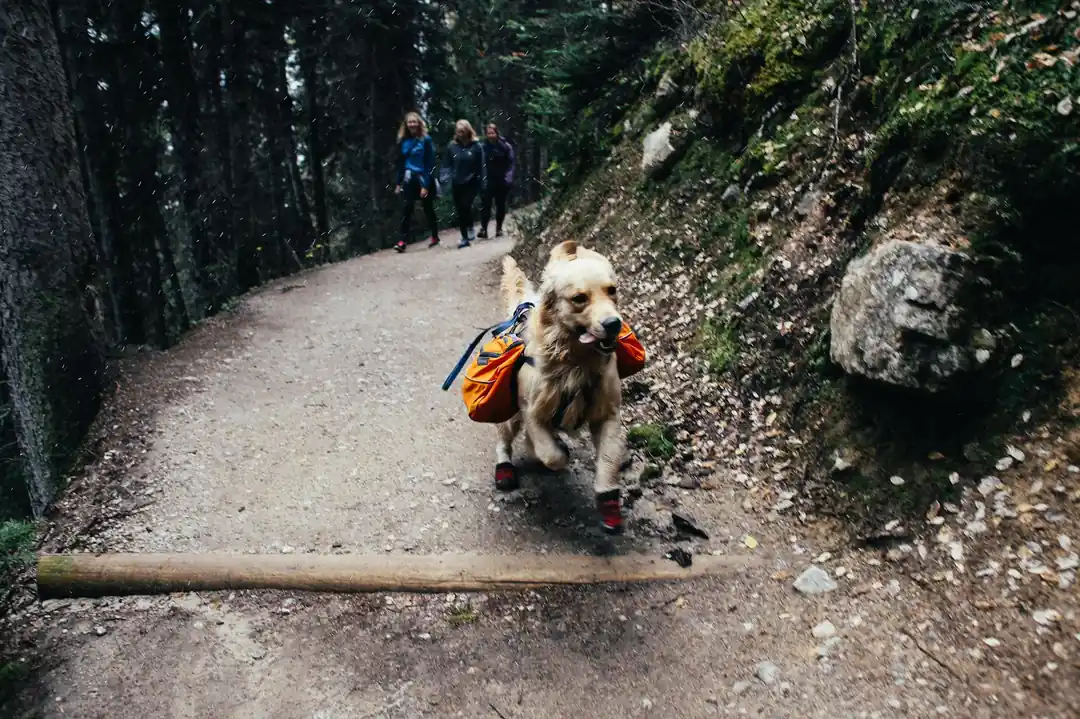
Building this plan isn't about dwelling on worst-case scenarios. It's about empowerment. It's about taking control in a situation that feels uncontrollable. It's about looking at that trusting face and knowing, without a doubt, that you have done everything in your power to protect them.
Take an afternoon this weekend. Pack that bag, make those calls, and talk with your family. The peace of mind that comes from being truly prepared is a gift you give to yourself, and the safety it provides is the greatest gift you can ever give to them.
Weathering the Storm: Keeping Our Furry Friends Calm When the Skies Roar
The Hard Truth About DIY Storm Shelters: What I Learned Before I Dug

Related Posts
 HOBBIES
The Beginner's Guide to Reading the Night Sky: How to Spot Your First Constellations
A friendly, grounded guide to navigating the night sky, understanding stellar movements, and spotting iconic constellations without expensive gear.
 PETS
PETSSniffle-Free Snuggles: America's Most-Loved Hypoallergenic Dogs
Dreaming of a furry friend but dreading the sneezes? You're not alone. Let's dive into the wonderful world of popular hypoallergenic dog breeds in the US.

Popular Posts

Rethinking Non-Profit Promotion: Creative Strategies That Actually Drive Event Impact

Beyond Stark White: The Best Interior Paint Colors to Light Up Your New Space

How to Actually Master a New Language on Your Own (No Magic Gene Required)
