Beyond the Mall: A Guide to the Twin Cities’ Most Charming Neighborhoods
Thinking of visiting Minneapolis and St. Paul? Forget the tourist traps. Let's dive into the real heart of the cities—the neighborhoods where life actually happens.
Let's be honest. When people think of visiting the Twin Cities, their minds often jump to one of two things: the Mall of America or the freezing winters. And while, yes, the mall is gigantic and the winters are undeniably crisp, focusing only on those things is like reading the first page of a book and thinking you know the whole story. The real soul of Minneapolis and St. Paul isn't found in a giant shopping center; it's discovered in the vibrant, distinct, and utterly charming neighborhoods that give these cities their dual personality.
I remember the first time I ventured beyond the downtown cores. I was expecting more of the same, but what I found was a collection of unique little worlds, each with its own rhythm. One moment, I was walking down a street lined with edgy, industrial-chic warehouses converted into trendy restaurants, and the next, I was strolling along a quiet, tree-lined avenue flanked by stunning Victorian mansions. It’s this incredible contrast that makes exploring so rewarding. You’re not just visiting one city; you’re exploring a dozen small towns that happen to be connected.
So, if you're planning a trip and want to experience the Twin Cities like someone who truly lives and breathes them, you have to go deeper. You need to trade the highway for the side streets and the chain restaurants for the local haunts. It’s about finding that perfect cup of coffee in a cozy shop, discovering a piece of art in an unexpected gallery, or simply watching the world go by from a park bench. Ready to see what I mean? Let's dive into the neighborhoods that make these cities unforgettable.
Minneapolis: Urban Energy and Lakeside Living
Minneapolis is the bigger, brasher of the twins. It hums with a modern, creative energy, yet it never strays far from its natural roots. This is a city where you can admire a world-class art collection in the morning and be paddleboarding on a serene lake by the afternoon. The neighborhoods here are a perfect reflection of this duality, offering everything from the trendiest dining scenes to peaceful, green escapes.
North Loop (The Warehouse District)
If there's one neighborhood that captures the pulse of modern Minneapolis, it's the North Loop. I'm a total sucker for industrial architecture, and this area is a masterclass in revitalization. Old brick warehouses and factories have been beautifully transformed into some of the city's most acclaimed restaurants, independent boutiques, and coolest bars. It has a sophisticated yet unpretentious vibe that feels electric, especially on a warm evening when the patios are full and the streets are buzzing with people.
Walking through the North Loop, you can feel its history. You can almost hear the echoes of its industrial past, but now they're layered with the sounds of clinking glasses and lively conversation. It’s the kind of place you go for a memorable meal at spots that are genuinely pushing the culinary envelope. After dinner, you can catch a show or just wander into one of the many unique shops that line the streets. It’s polished, it’s cool, and it’s undeniably one of the most dynamic spots in the city.

Northeast Arts District
Just across the river lies a neighborhood that feels like the North Loop’s more bohemian, artistic cousin. Northeast Minneapolis is a sprawling, diverse area that has long been the heart of the city's creative community. It's less about sleek storefronts and more about sprawling brewery patios, vibrant murals, and the hundreds of artist studios tucked away in old industrial buildings.
The best time to experience Northeast is during Art-A-Whirl, the largest open studio tour in the country, but its creative spirit is alive year-round. You can spend a whole day here hopping between craft breweries, each with its own unique flavor and atmosphere. I love that you can grab a fantastic pint and then wander into a nearby gallery to see what local artists are creating. It’s a neighborhood that doesn’t take itself too seriously, and its gritty, authentic charm is completely infectious.
St. Paul: Historic Grandeur and Quiet Charm
Crossing the Mississippi into St. Paul is like turning down the volume just a notch. The state capital carries itself with a certain historic grace. The pace feels a little slower, the streets a bit quieter, and the neighborhoods are steeped in a sense of history and community. It’s a city of grand architecture, cozy corners, and a deep appreciation for its own story.
Cathedral Hill & Summit Avenue
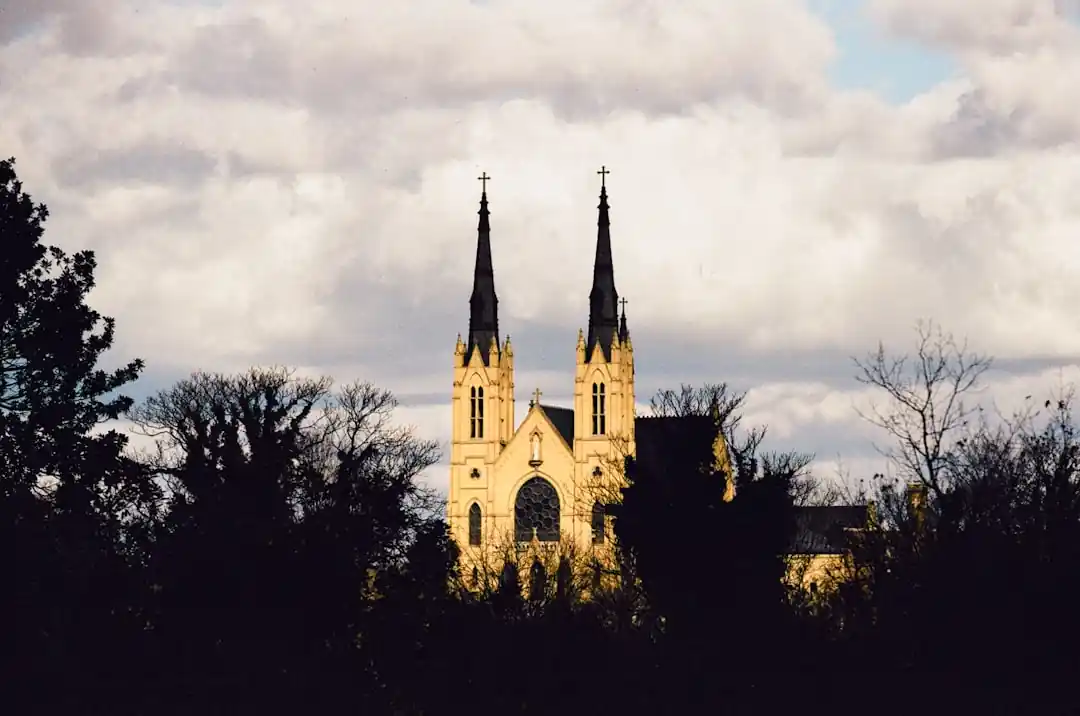
If you want to be transported to another era, this is the place to do it. I was absolutely floored the first time I drove down Summit Avenue. It’s the longest stretch of preserved Victorian architecture in the country, and each mansion seems more stunning than the last. These aren't just houses; they're monuments to a bygone era of lumber barons and railroad magnates, with intricate details and sprawling lawns that speak of incredible wealth and history. It’s a place that feels both grand and deeply peaceful.
Just a few blocks away, Grand Avenue offers a more lively but equally charming experience. This street is the commercial heart of the neighborhood, lined with a wonderful mix of independent bookstores, antique shops, and cozy restaurants with inviting patios. It’s the perfect place to spend an afternoon browsing, grabbing a bite to eat, and just soaking in the historic atmosphere. Cathedral Hill has a romantic, almost European feel to it that is utterly captivating.
Lowertown
Just like Minneapolis has its Warehouse District, St. Paul has Lowertown. This area, adjacent to downtown, is the city's creative hub. It’s where you’ll find a thriving community of artists living and working in converted warehouses. The neighborhood is anchored by the beautiful Mears Park, a green oasis that often hosts live music and events, and the famous St. Paul Farmers' Market, which is an absolute must-visit on a weekend morning.
Lowertown has a gritty, artistic energy that feels authentic and lived-in. It’s a place where you can find a cutting-edge gallery, a classic pub, and a top-notch restaurant all on the same block. It’s a neighborhood that has managed to preserve its historic character while embracing a modern, creative identity. It’s a testament to St. Paul’s ability to evolve without losing its soul.
Ultimately, to know the Twin Cities is to know their neighborhoods. It’s in these unique pockets of culture, history, and community that you’ll find the true heart of Minnesota. So next time you visit, I hope you’ll venture out and find your own favorite corner.

How to See the Twin Cities Without Breaking the Bank
Beyond the 'For Sale' Sign: Digital Marketing Strategies to Elevate Your Real Estate Business

Related Posts
 TRANSPORT
Beyond the Highway: Finding Canada's Soul on a Western Rail Adventure
Forget road trips. I'm talking about rediscovering the romance of travel on Via Rail's most scenic routes through the heart of the Canadian West. It’s an experience that changes you.
 TRAVEL TIPS
The Unwritten Rules of the North: What to Know Before Camping in Canada
Heading to the Great White North for a camping trip? It's an amazing idea. But from campfire etiquette to wildlife wisdom, here’s what you need to know before you go.

Popular Posts

Rethinking Non-Profit Promotion: Creative Strategies That Actually Drive Event Impact

Beyond Stark White: The Best Interior Paint Colors to Light Up Your New Space

How to Actually Master a New Language on Your Own (No Magic Gene Required)
