Ever dreamed of a last-minute international trip but got stopped by visa anxiety? Let's break down the Visa on Arrival process, turning airport stress into a seamless start to your adventure.
There’s a certain magic to spontaneous travel. It’s the thrill of booking a flight just because, of packing a bag with a sense of pure adventure, and of letting the destination reveal itself to you. But for many of us, a tiny, nagging thought often holds us back: the visa. The very word can conjure images of tedious paperwork, embassy appointments, and long waiting periods. I used to think this way, too, until I discovered the game-changing concept of Visa on Arrival (VOA).
Honestly, the first time I traveled to a country that offered it, I was a bit nervous. It felt too simple. Was I missing something? Would I be turned away at the border? But as I navigated the process, I realized that VOA isn't a complicated secret; it's a streamlined system designed to welcome travelers. It transforms the often-dreaded entry process into a manageable, and sometimes even surprisingly quick, first step of your journey. It’s about shifting the paperwork from your home office to the arrivals hall, and with a little preparation, it’s incredibly empowering.
So, What Exactly Is a Visa on Arrival?
Let's demystify this. A Visa on Arrival is precisely what it sounds like: a visa you apply for and receive upon landing in your destination country. Instead of sending your passport off to an embassy weeks or months in advance, you handle the entire process at the airport (or sometimes a land or sea border). This system is a fantastic tool for tourism, allowing countries to open their doors more easily to visitors, boosting their local economies and cultural exchange.
It’s important to distinguish VOA from visa-free travel. Visa-free means you simply need your passport to enter for a certain period—no application, no fee at the border. VOA, on the other hand, is still a formal visa application process, just an expedited one that happens at the port of entry. You are still being granted official permission to enter the country for a specific purpose (usually tourism or short-term business) and a limited time.
The beauty of VOA lies in its flexibility. It opens up possibilities for last-minute trips and multi-country itineraries where applying for numerous traditional visas would be a logistical nightmare. However, this convenience comes with a critical responsibility: you must show up prepared. Thinking you can just land with only your passport is the biggest mistake a traveler can make.
The Step-by-Step Airport Playbook
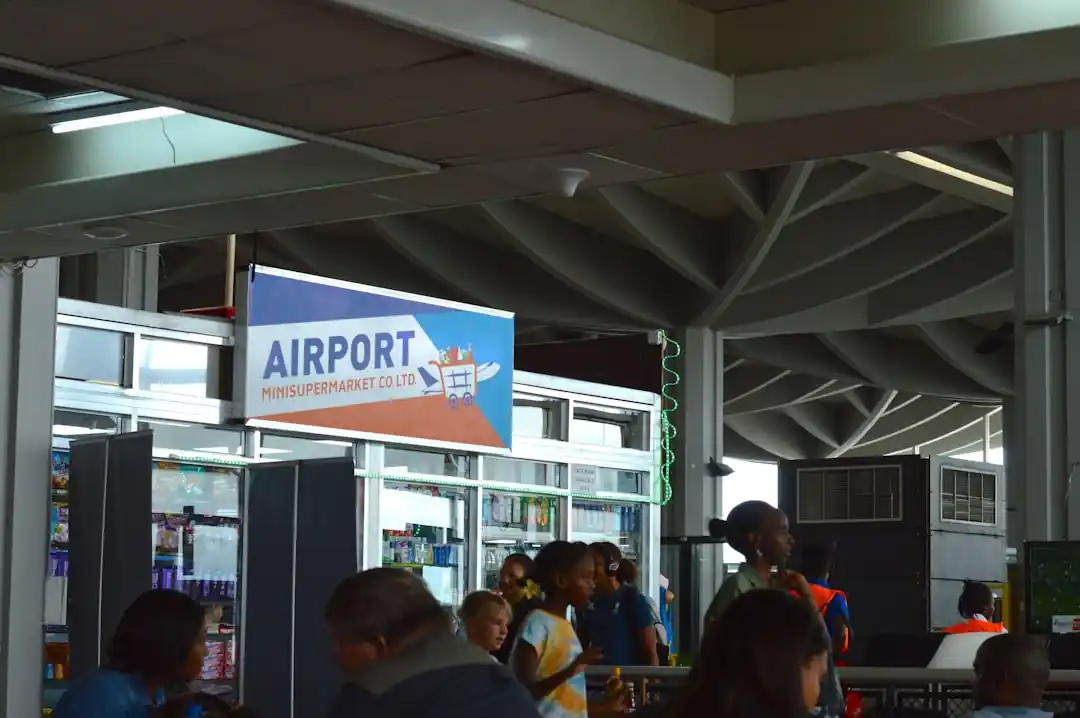
Alright, you’ve just stepped off a long flight, and you're officially in a new country. What now? Navigating the VOA process can feel intimidating, but it’s usually a well-marked path. Your first mission is to look for the signs. As you walk toward the main immigration hall, keep your eyes peeled for signs that say "Visa on Arrival," "Visa Desk," or something similar. It's typically a separate area or counter set apart from the main passport control lines.
Once you've found the right spot, this is where your preparation pays off. You'll join a queue and, when it's your turn, present your documents to an immigration officer. This is the core of the process. They will review your passport, your application form, your photos, and any other required paperwork. They might ask you a few simple questions: "What is the purpose of your visit?" "How long will you be staying?" "Where are you staying?" Answer clearly and politely.
After the officer is satisfied with your documents, you'll be directed to pay the visa fee. This is a crucial step. Many VOA counters only accept cash, often in major currencies like U.S. dollars or the local currency. It is a lifesaver to have the exact amount ready. Once you've paid, you'll either wait for them to process the visa (which could be a sticker placed in your passport or a stamp) or they'll complete it right there. With your freshly stamped passport in hand, you then proceed to the regular immigration line to be formally entered into the country. And that's it—welcome to your destination!
Your Pre-Flight Checklist for Success
The secret to a stress-free Visa on Arrival experience happens before you even leave for the airport. Being meticulously prepared is not just recommended; it's essential. The requirements can vary significantly based on the country and your nationality, so your first step should always be to check the official embassy or immigration website for the most current information.
Here’s a general checklist of what you'll most likely need:
- Passport: It must be valid for at least six months from your planned departure date from the country, and you'll need at least one or two blank pages.
- VOA Application Form: Some countries allow you to download and fill this out in advance, which can be a huge time-saver.
- Passport-Sized Photos: Have a couple of recent photos that meet the specified requirements (size, background color, etc.).
- Visa Fee: Carry enough cash in the required currency (usually USD or local). Don't rely on credit cards.
- Proof of Onward Travel: A printed copy of your flight ticket out of the country is almost always required.
- Proof of Accommodation: Some countries want to see a hotel booking confirmation for at least your first few nights.
- Proof of Sufficient Funds: While not always asked for, it's wise to have a recent bank statement or know you can show access to funds if required.
I like to keep all of these documents in a dedicated travel folder. When I get to the VOA counter, I’m not fumbling through my backpack. I can just hand over the organized folder, which not only makes my life easier but also presents me as a prepared and serious traveler to the immigration officer. This small bit of organization can make a huge difference in how smoothly the process goes.
The world is vast and full of incredible places to see, and systems like Visa on Arrival make it just a little bit easier to explore them. It’s a bridge between planning and spontaneity, allowing for adventures that might otherwise get tangled up in red tape. So do your homework, pack your documents, and embrace the journey. The world is waiting for you, right there in the arrivals hall.

A First-Timer's Guide to Nigeria: Essential Safety Tips for the Savvy Traveler
That London Layover: Do You Actually Need a Transit Visa?
Related Posts
 TRANSPORT
Beyond the Highway: Finding Canada's Soul on a Western Rail Adventure
Forget road trips. I'm talking about rediscovering the romance of travel on Via Rail's most scenic routes through the heart of the Canadian West. It’s an experience that changes you.
 TRAVEL TIPS
The Unwritten Rules of the North: What to Know Before Camping in Canada
Heading to the Great White North for a camping trip? It's an amazing idea. But from campfire etiquette to wildlife wisdom, here’s what you need to know before you go.

Popular Posts

Rethinking Non-Profit Promotion: Creative Strategies That Actually Drive Event Impact

Beyond Stark White: The Best Interior Paint Colors to Light Up Your New Space

How to Actually Master a New Language on Your Own (No Magic Gene Required)
