Creative indoor activity ideas for keeping toddlers engaged during daycare wait times
Discover practical and engaging indoor activities to keep toddlers entertained and calm during unexpected daycare wait times and daily transitions.
Understanding the challenge of daycare wait times and transitions
Transitions and waiting periods are frequent triggers for challenging behavior in toddlers and young children. Whether parents are waiting for daycare doors to open, standing in line during afternoon pickup, or navigating unexpected delays, young children often struggle with patience. This happens because a toddler's concept of time and their ability to control emotions are still developing. When asked to wait, children often feel frustrated, which can lead to whining, negotiating, or meltdowns. Recognizing that these reactions stem from developmental limits rather than intentional misbehavior helps adults approach waiting periods with more empathy and better preparation.
Predictable routines and clear expectations can reduce the stress of waiting. Before entering a waiting environment, adults can preview what is going to happen and set gentle boundaries. For example, discussing expectations during the drive or walk helps children prepare for a brief period of inactivity. Additionally, instead of relying on digital screens—which experts discourage for very young children due to potential impacts on focus and social development—caregivers can use low-tech strategies. Preparing ahead of time turns idle minutes into opportunities for connection and play.
Hands-on fine motor activities for quiet engagement
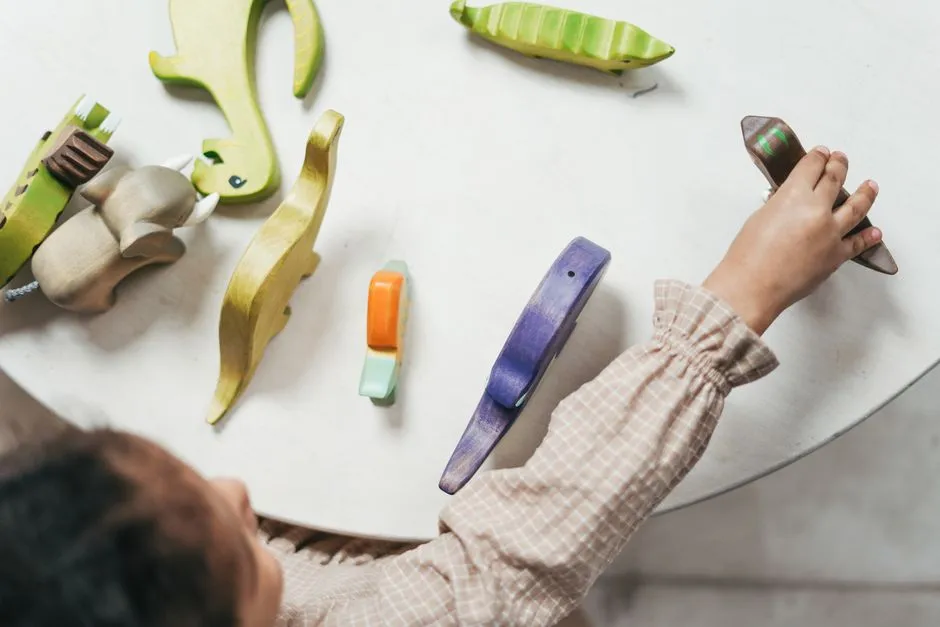
Fine motor activities are a great way to keep a toddler's attention during indoor waiting periods. These tasks require concentration, which helps a child stay focused and reduces restlessness. One simple option is the pom-pom push or drop game. Using a small plastic container with a slotted lid, children can practice pushing colorful pom-poms through the openings. For older toddlers, caregivers can draw colored circles around specific slots to encourage color matching, or introduce toy tweezers and tongs to build hand strength.
Another adaptable activity involves threading materials, such as cutting plastic drinking straws into small segments and letting children thread them onto pipe cleaners. This encourages precision and patience. For an alternative with minimal supplies, a DIY golf tee hammering station using a cardboard box allows children to press and hammer golf tees into place. These tactile experiences keep little hands busy and turn unstructured waiting time into play that easily fits into small spaces or portable bags.
Active games and imaginative play to burn energy
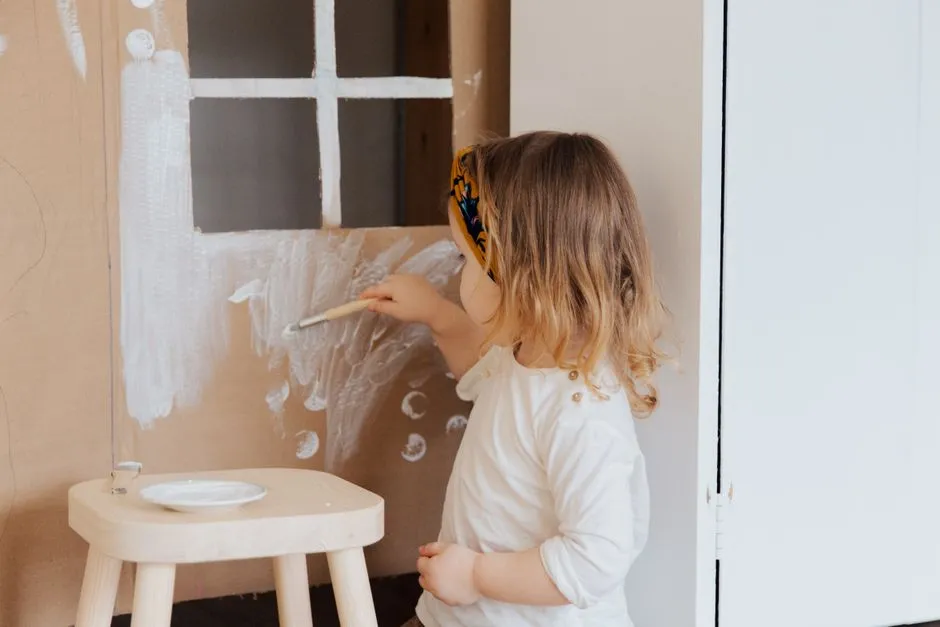
When toddlers are waiting in indoor spaces where movement is restricted, they often have extra energy to burn. Imaginative games or modified physical activities can channel that energy without requiring a large gymnasium. For instance, caregivers can play a quiet version of hide-and-seek using a small plush toy rather than a person. Hiding a toy within a confined area gives the child a clear objective and encourages them to search the room based on verbal clues.
Another indoor game is balloon tennis or hockey. Blowing up a lightweight balloon and providing soft items like fly swatters or paper towel rolls allows children to practice hand-eye coordination safely. Caregivers can make the game more challenging by setting goals, such as keeping the balloon off the floor for a certain count or hitting it into a makeshift basket. These games help burn off anxious energy and make the waiting experience feel like playtime.
Preparing a portable waiting bag for on-the-go relief
Portable Waiting Bag Essentials
- Pipe cleaners and card decks — Compact supplies for bending, twisting, and sorting
- Small notepads with colored pencils — Mess-free creative tools for doodling on the go
- Play dough and bubble bottles — Sensory staples reserved exclusively for waiting periods
- Finger puppets and loose toy figurines — Encourages quiet imaginative play and storytelling
- Textured fabric swatches on a binder ring — Provides tactile stimulation in confined spaces
A portable supply of engaging items is one of the most reliable ways to handle unexpected daycare wait times and daily transitions. The key to keeping a waiting bag interesting is exclusivity: the contents should stay hidden and only appear during waiting periods. Because the items feel special, children naturally look forward to using them. This kit does not require expensive toys; everyday household items and inexpensive craft supplies work well to engage a toddler.
Effective additions to a waiting bag include pipe cleaners, decks of cards, small notepads with colored pencils, bubbles, and play dough. Mismatched toy pieces, finger puppets, or textured fabric swatches on a ring also capture a young child's sensory curiosity. When adults keep these supplies in a bag by the door or in a vehicle, they are always prepared for unexpected delays. By pairing these tools with interactive songs, fingerplays, or simple guessing games like "I spy," caregivers can make daily transitions easier for young children.
References
- Bright Horizons | How to Teach Children Patience: Make Waiting Fun & Educational | Bright Horizons?
- 61 simple and engaging indoor activities for toddlers and young kids — Life Inspiration File - Life’s experiments distilled into stories, lessons + advice
- Fun Indoor Activities for Toddlers | Rainy Day Ideas
- 6 Transition Activities for Preschoolers and Toddlers
Simple everyday diet habits for maintaining youthful energy after 50
How to find a reliable pediatrician: Getting recommendations from daycare centers
Related Posts
 LIFE
LIFEKeeping pets safe and stress-free during natural weather emergencies
A comprehensive guide on how to prepare emergency kits, establish evacuation plans, and minimize anxiety for pets during natural disasters.
 LIFE
LIFEEvaluating the best flood insurance policies for homeowners in flood zones
A comprehensive guide to evaluating and selecting the best flood insurance policies for homeowners in high-risk zones, comparing NFIP and private options.